Caravane Tighmert 2016
After the first edition, artists started to realise the possibilities of the oasis as a place for contemporary creation, not just because of the place, also because the facilities artists could find with the support of locals that started, at the same time, to get used to receive and help artists in their researches.
Taking into consideration this fact, we thought it could be interesting to propose the oasis not just during the annual gathering, but during the whole year.
Claudia Triozzi
The dancer, choreographer and performer Claudia Triozzi was in Casablanca for a residency at Espace Darja (directed by Meryem Jazouli) but since her next work would be related, at the beginning, to ecological houses, Meryem proposed her to come to discover the oasis and its rammed earth houses. When she realised the different ways of life and the complexity of the oasis habitat , she decided to research more on how people use the space in the oasis and not just on the materials used to build the houses. In her first visit she met a lot of people and she made some interviews in order to learn different aspects of life in the desert, the way they build the houses, the process to make bread, the activities of the children, the music...
In July, Claudia wanted to develop a series of workshop with some children, her goal was to study the use of domestic spaces by its inhabitants.
After her trips to Tighmert, Claudia made a residency at Les Laboratoires d'Aubervilliers where she could show a preview of her work. She also explained on this interview (in French) what she learnt in the oasis.
She will be back probably in 2019, with her students from the Fine Arts School of Paris-Cergy.
Meryem Jazouli
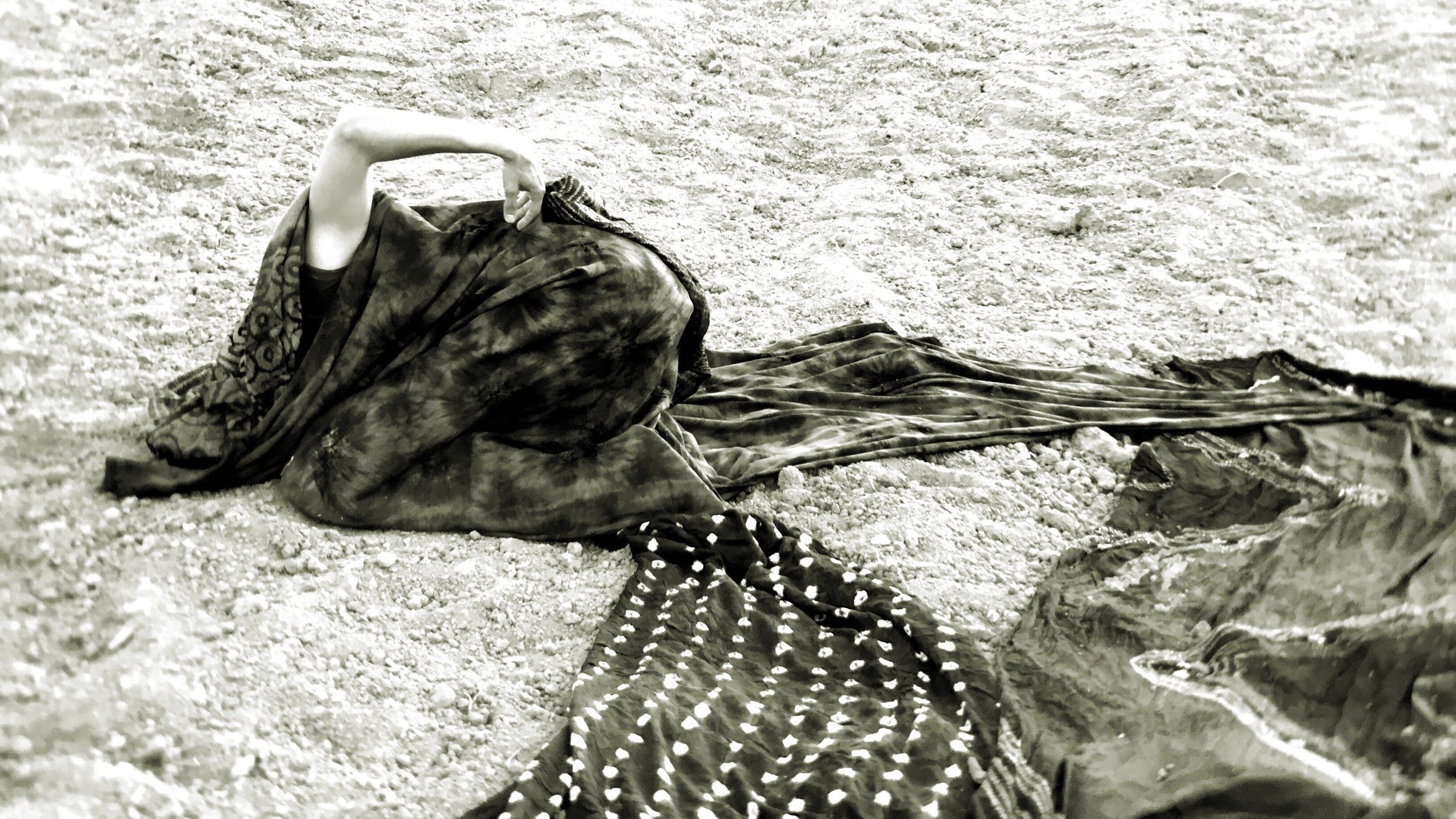
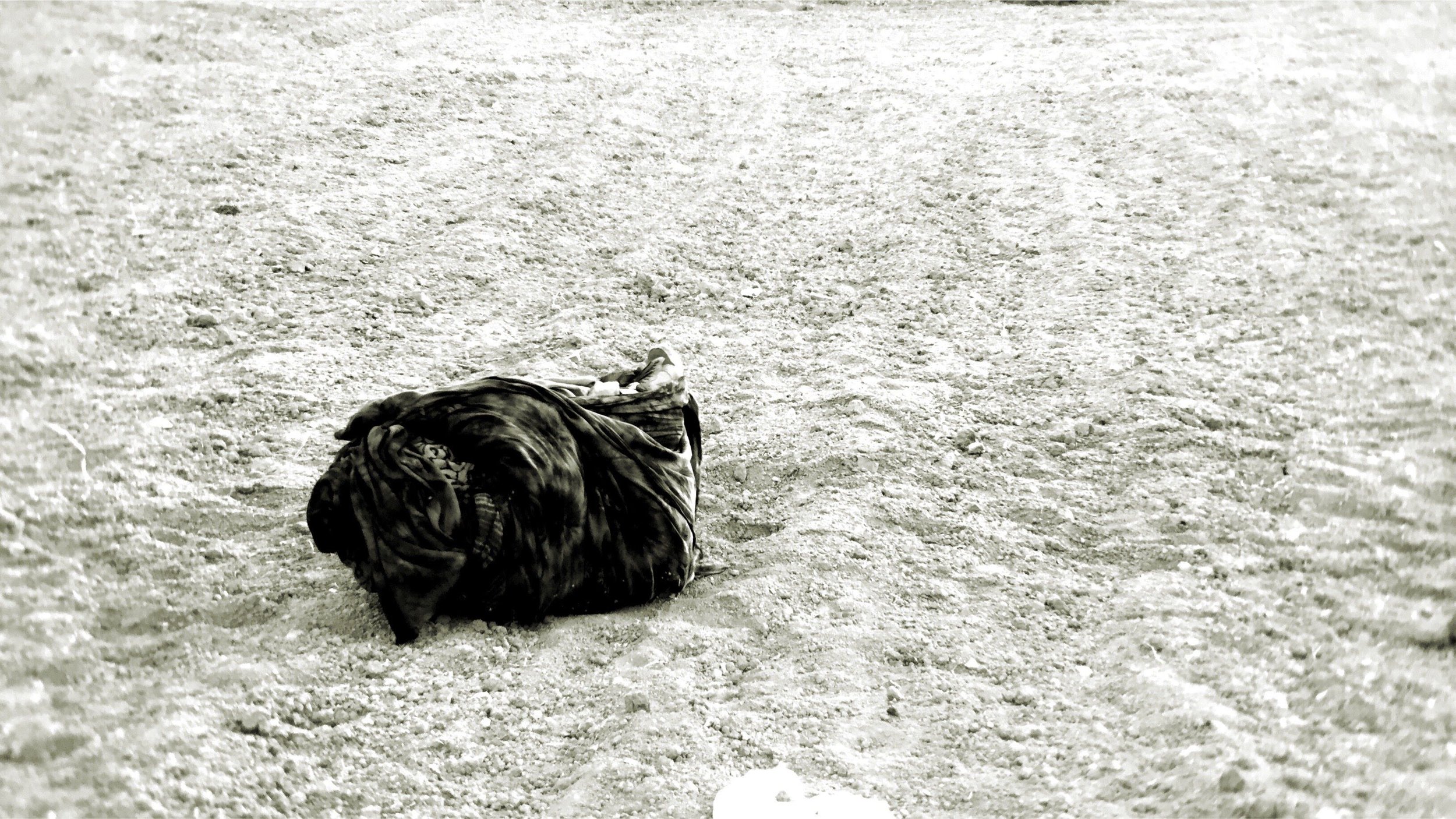
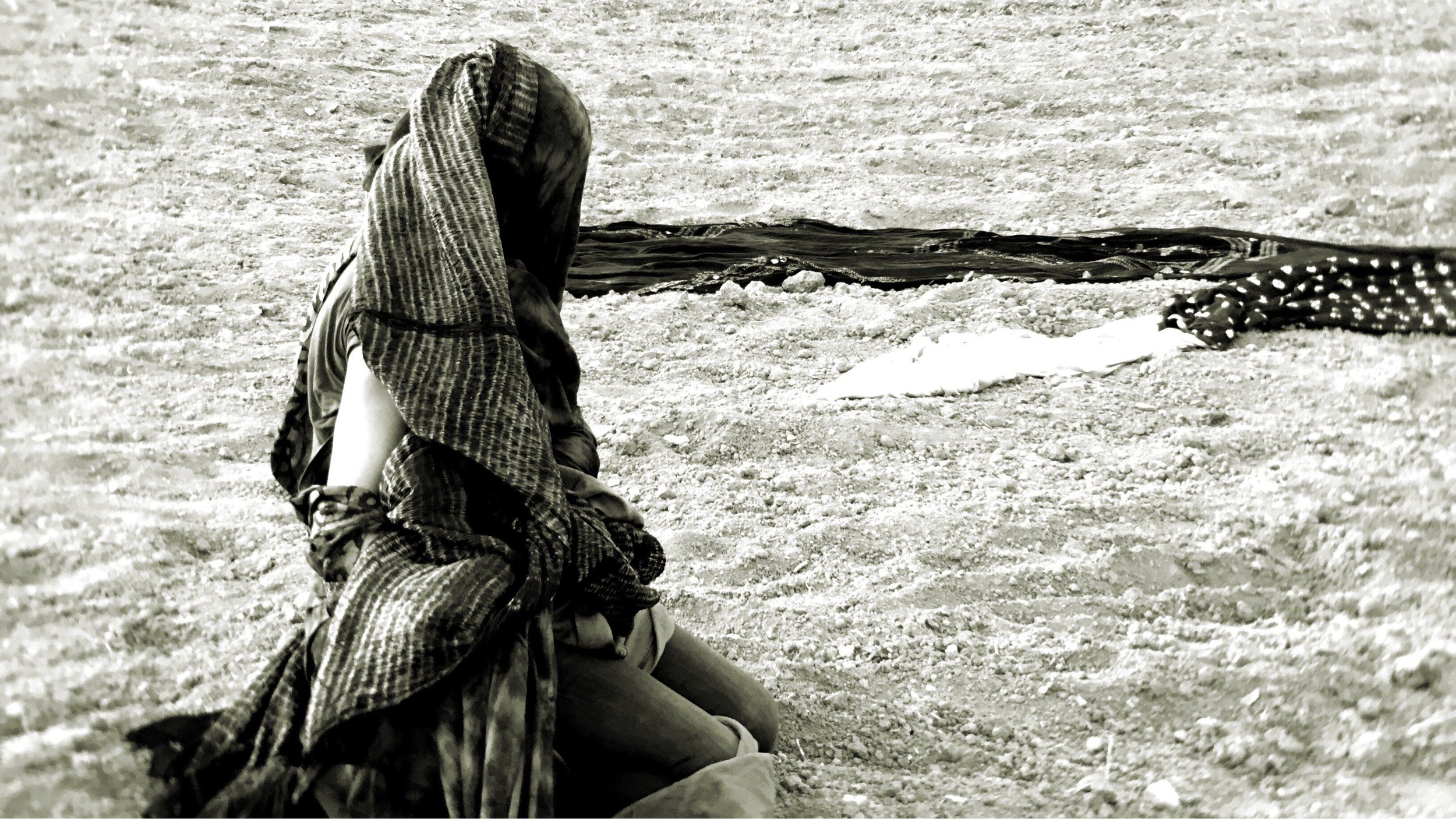
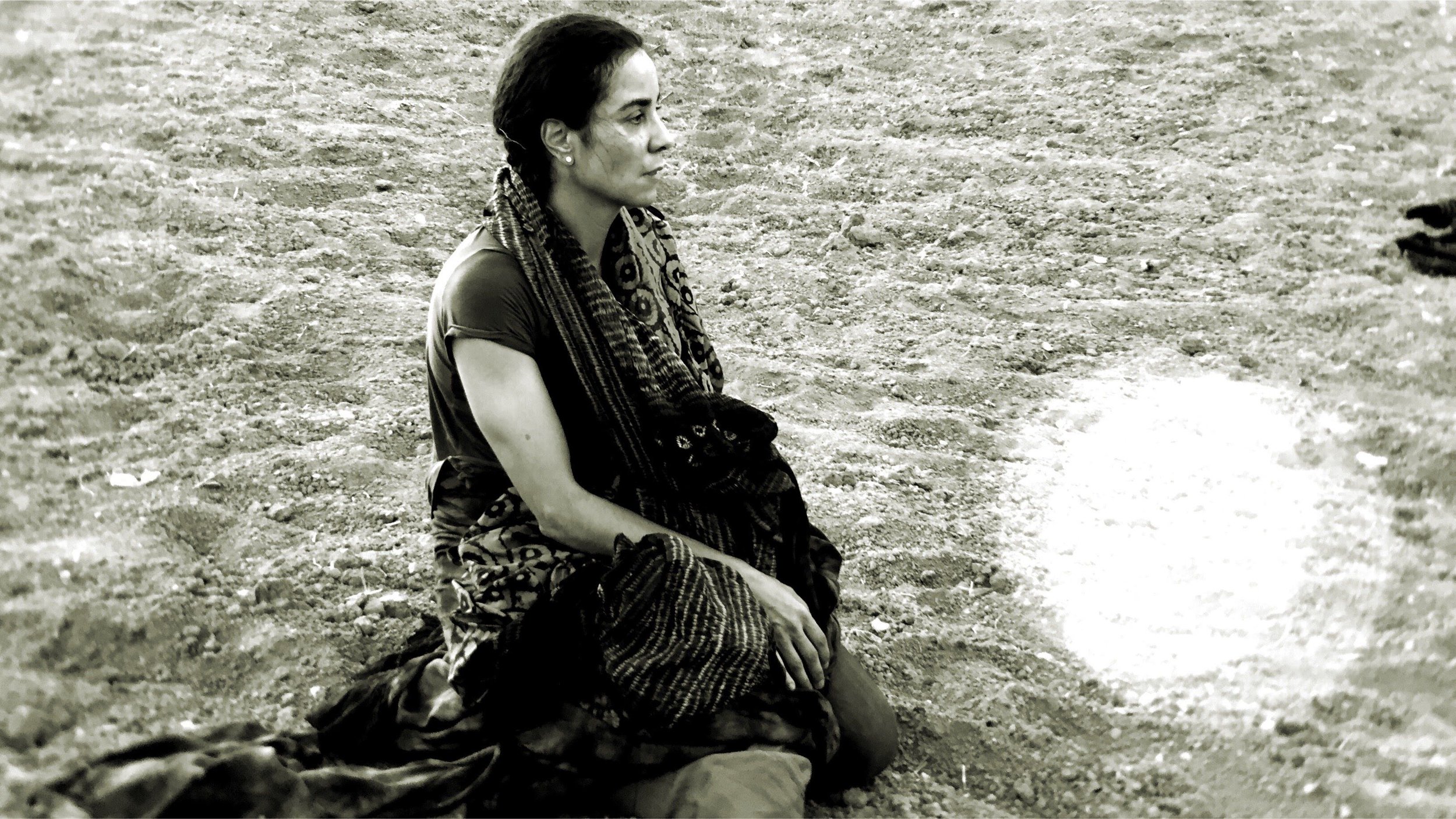
A few months later it was Meryem Jazouli who came to the oasis to do a research on a traditional Saharan dance made by women, the GUEDRA. I had asked her, some months ago, if she knew the dances tribes do in southern regions. She did not know but she told me she would not mind to explore the possibilities theses dances would have from a contemporary perspective, although she preferred to work just with women, which matched perfectly with Tighmert, because the main dance of the oasis, Guedra, is performed by women.
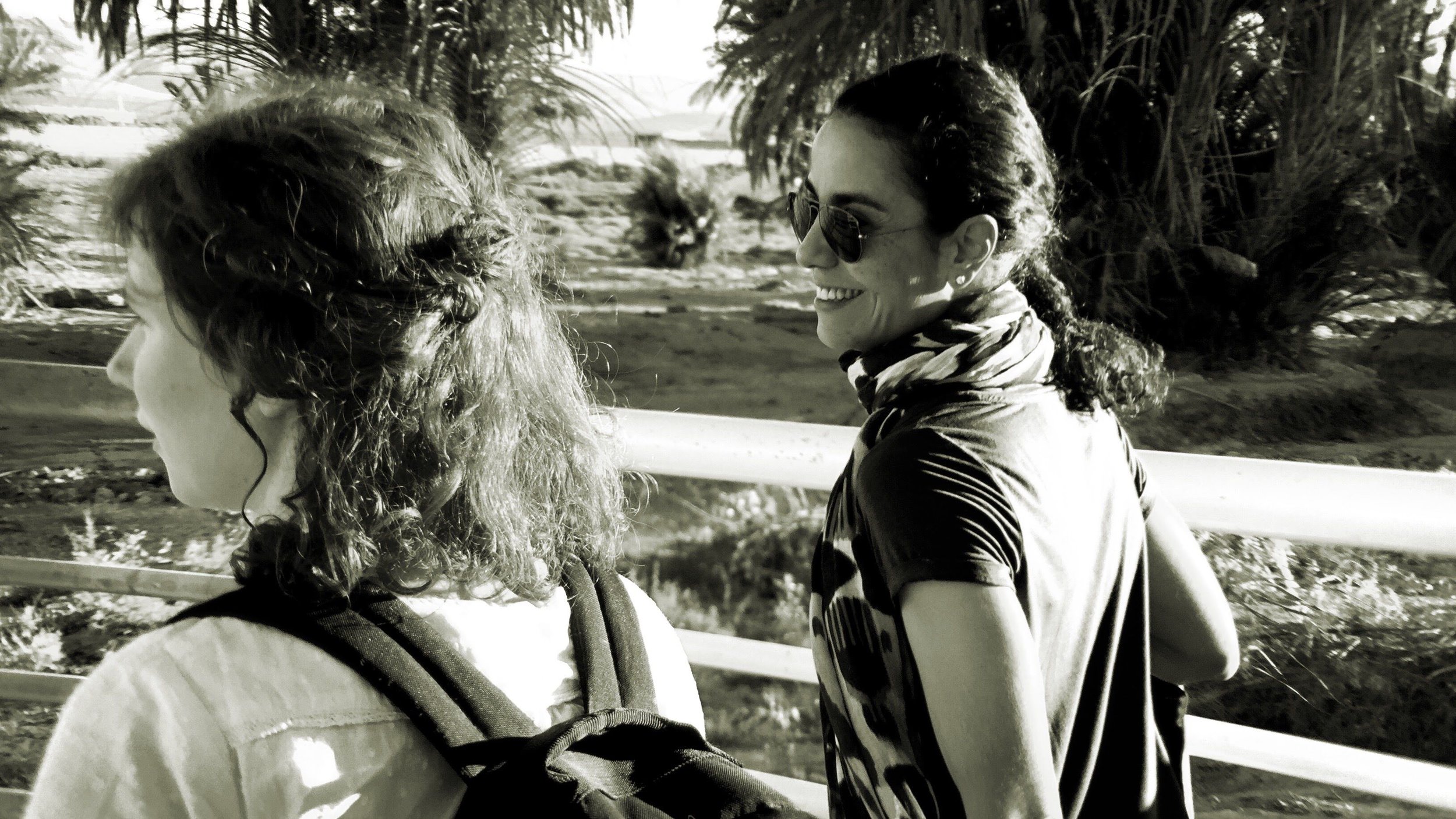
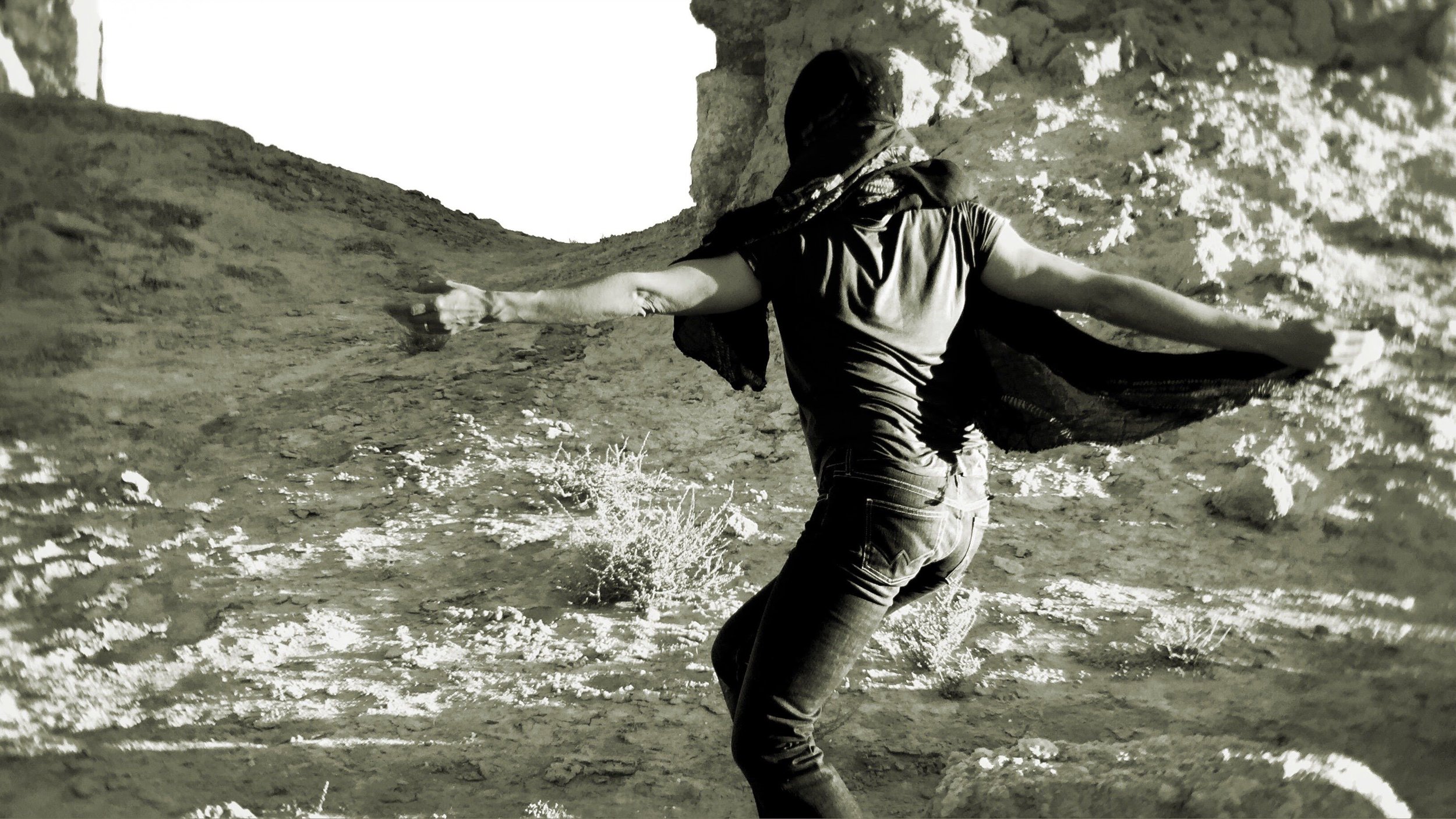
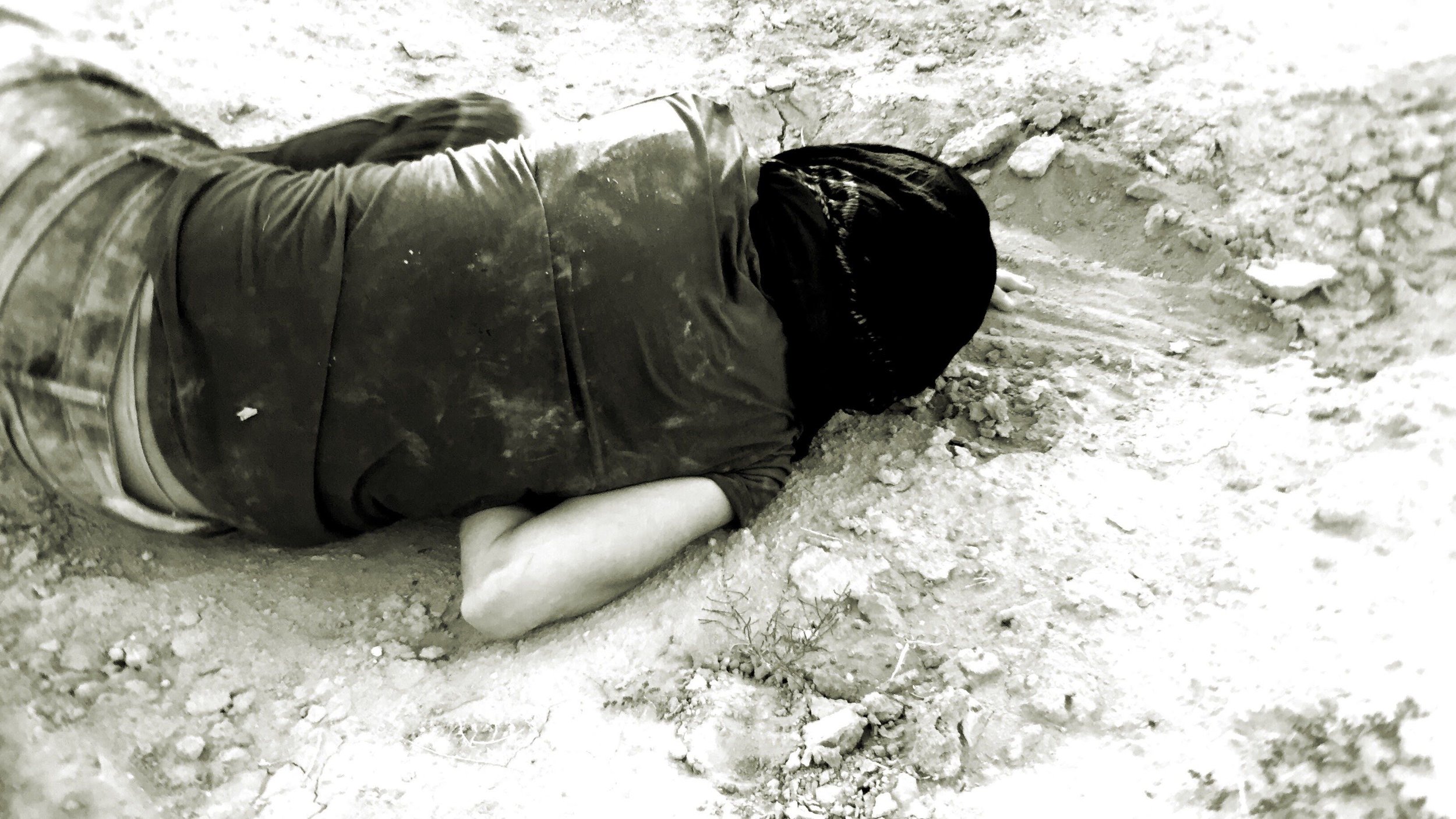
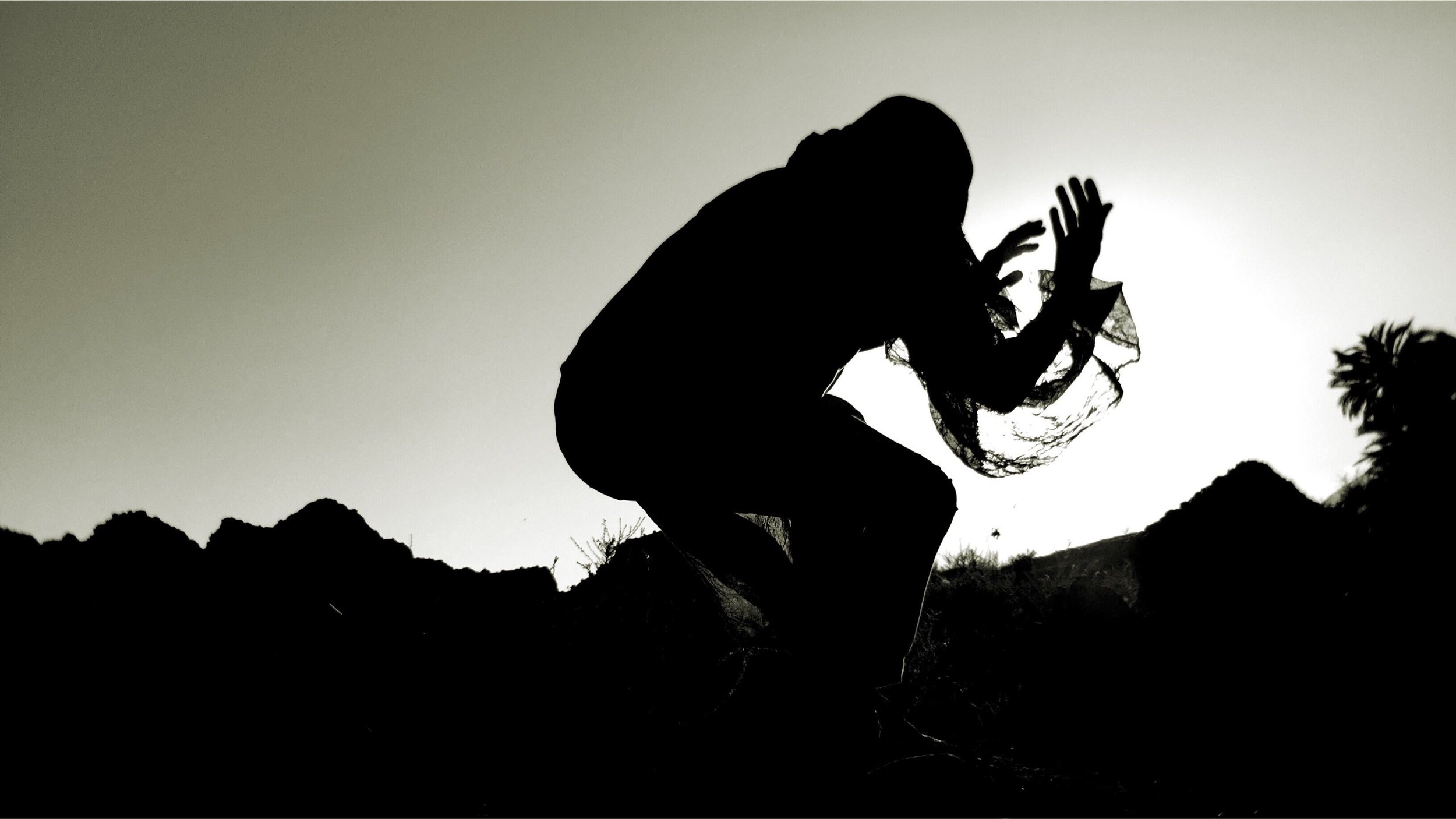
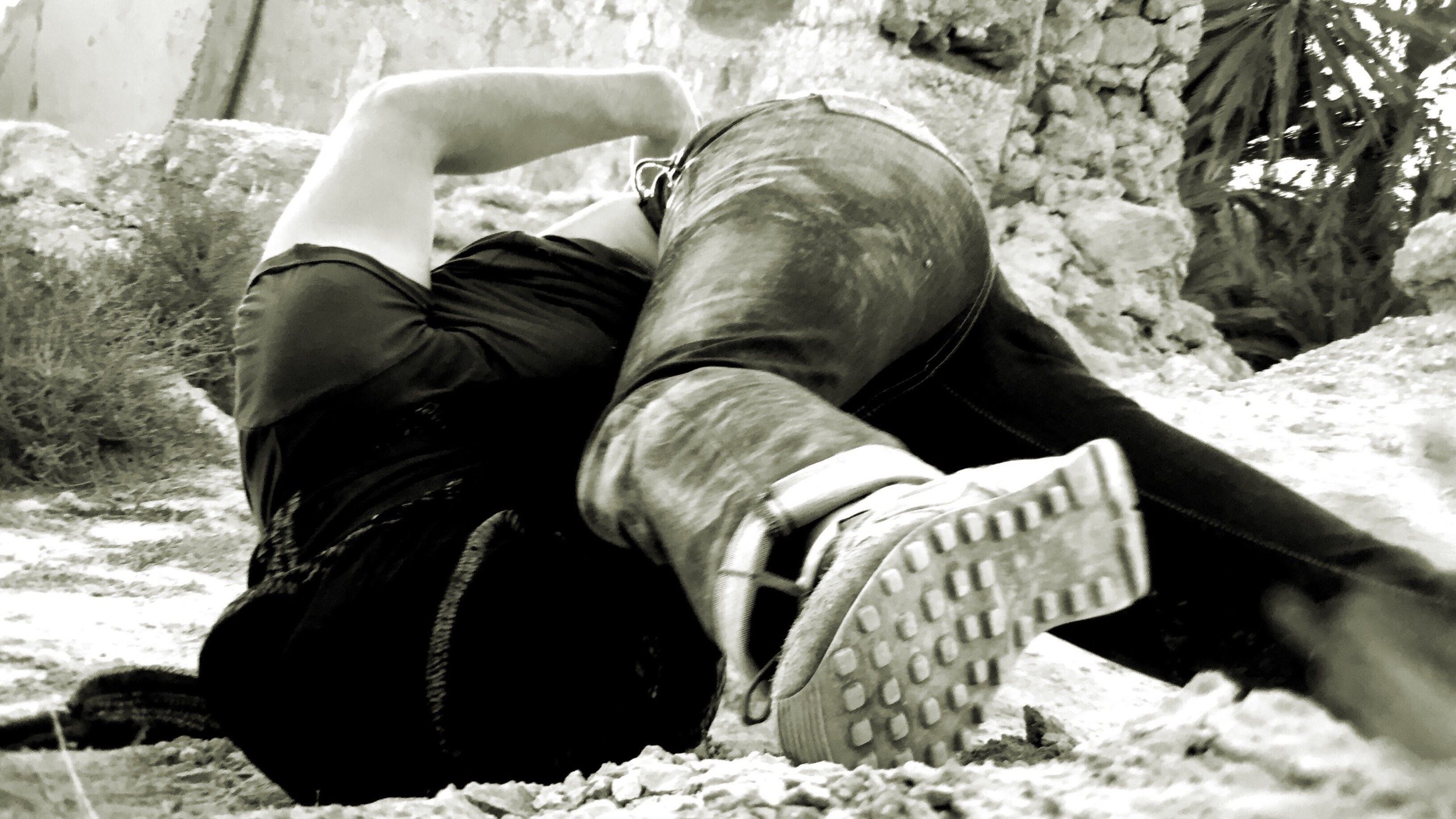
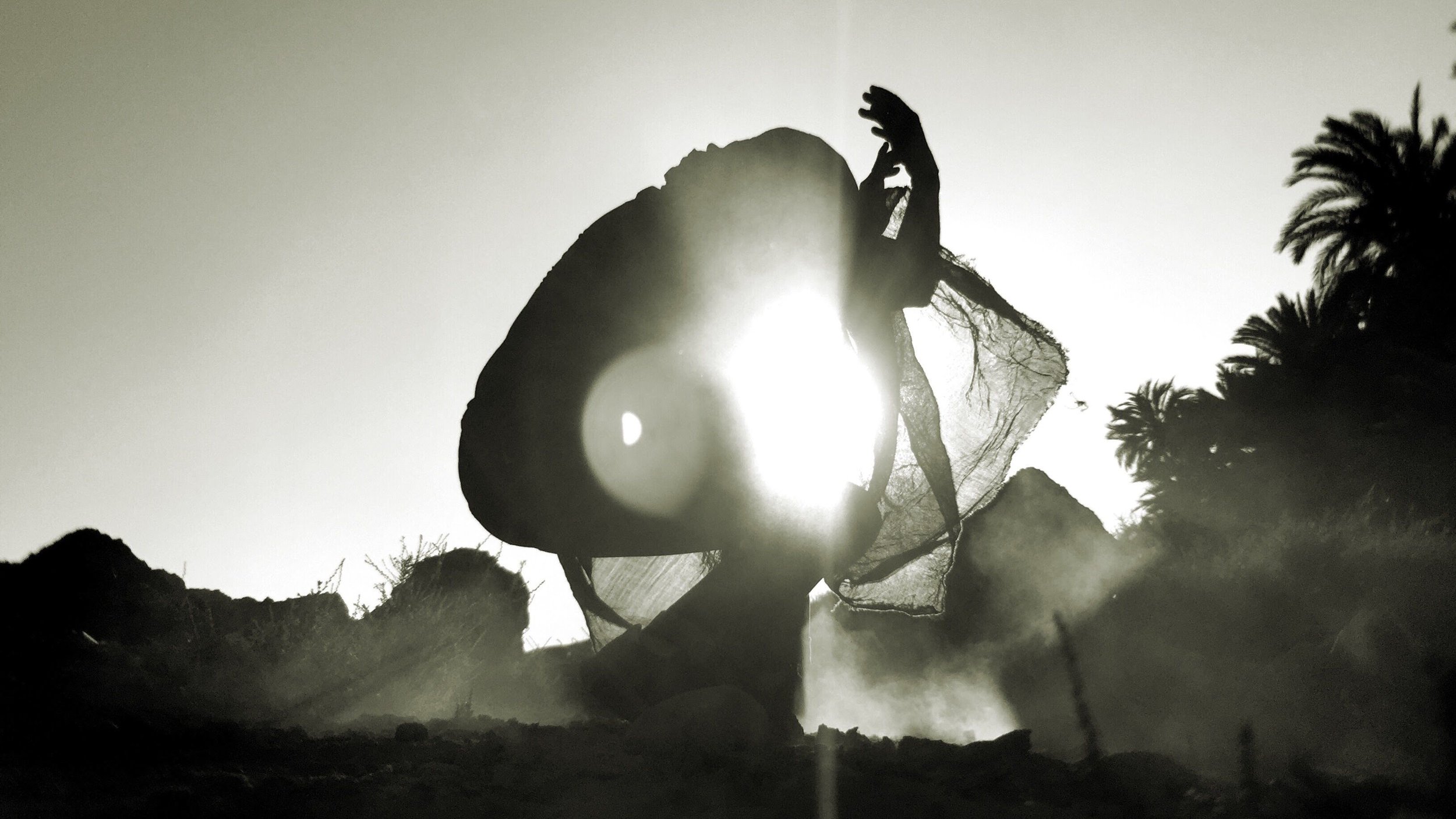
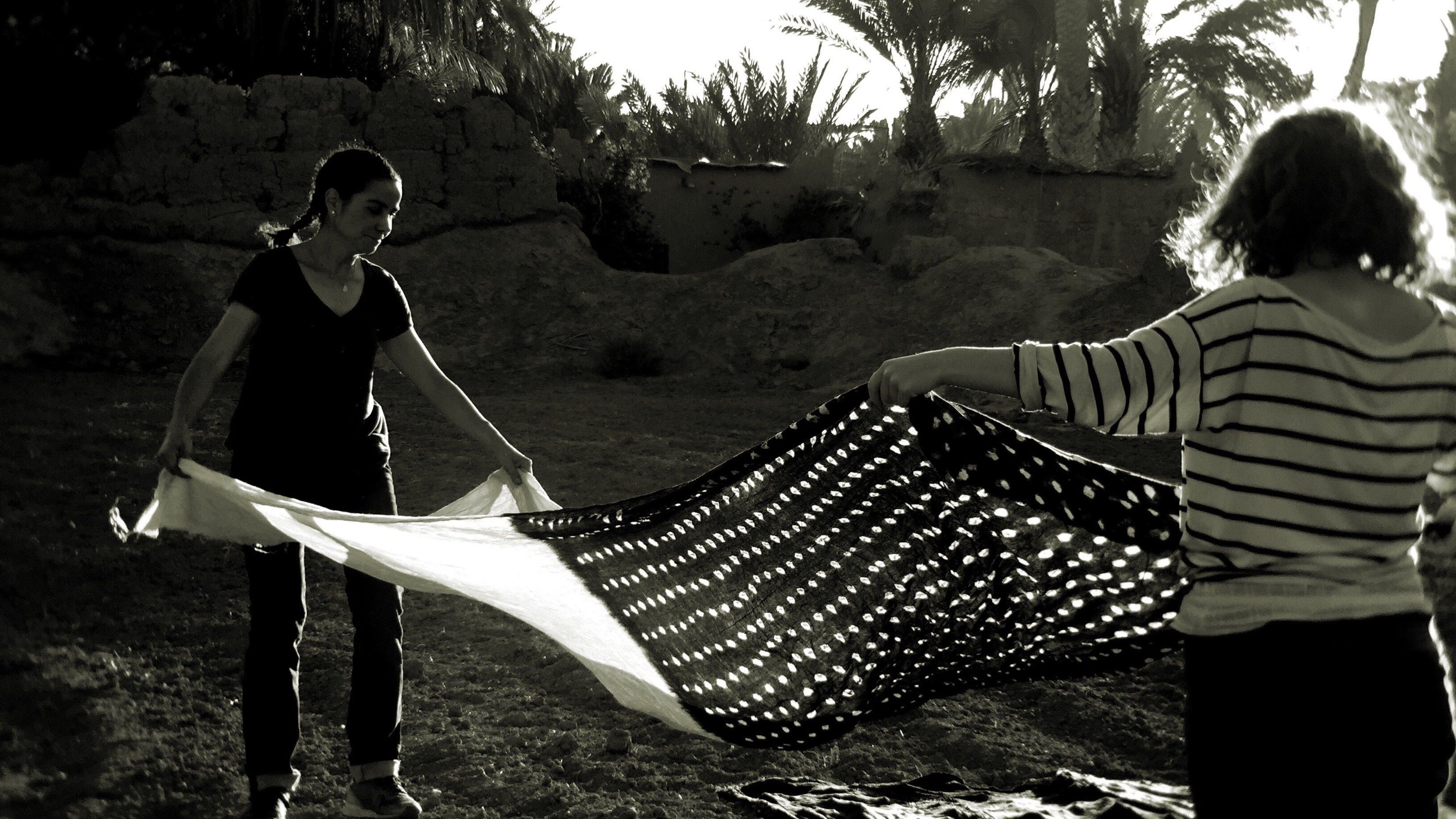
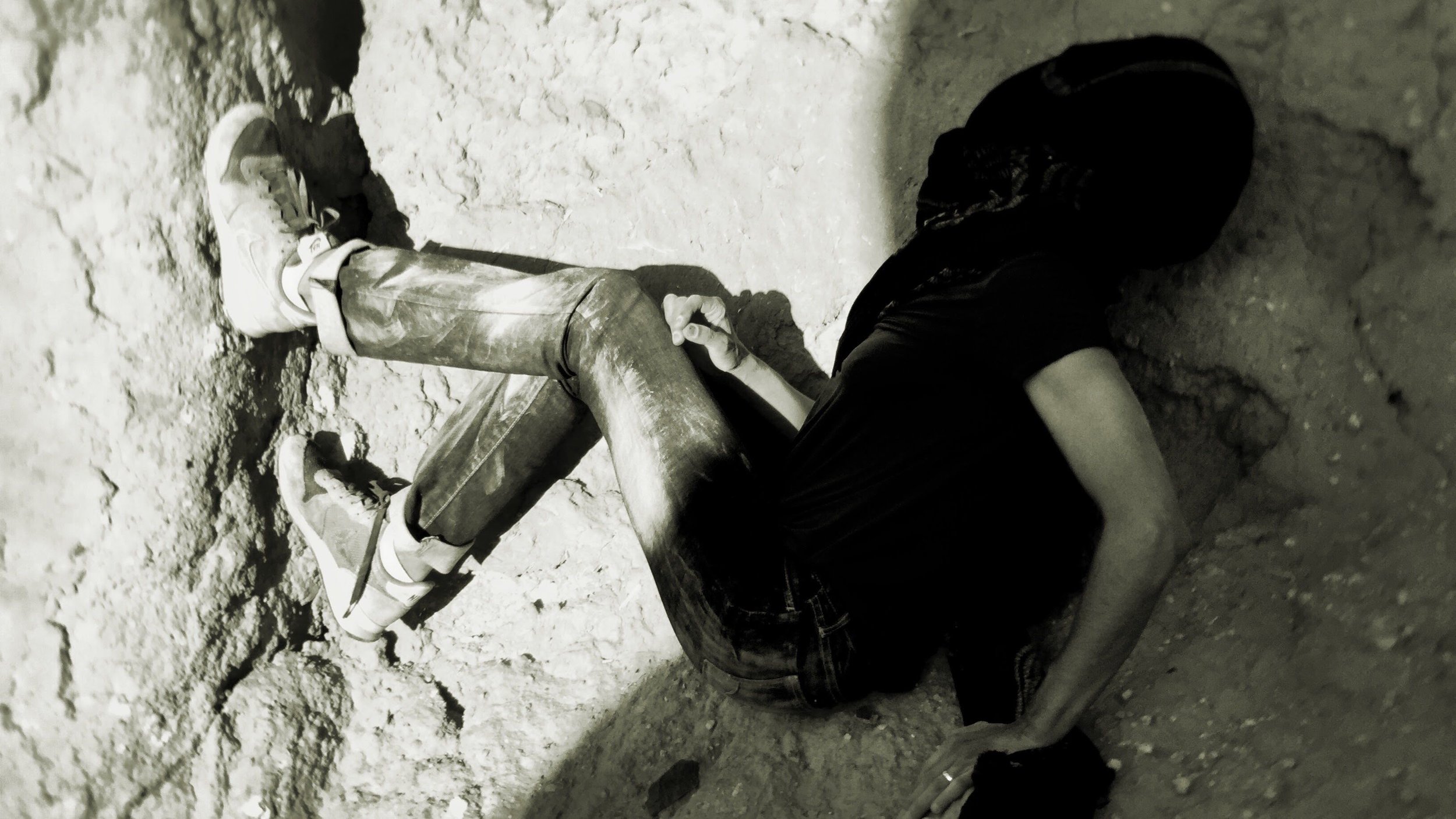
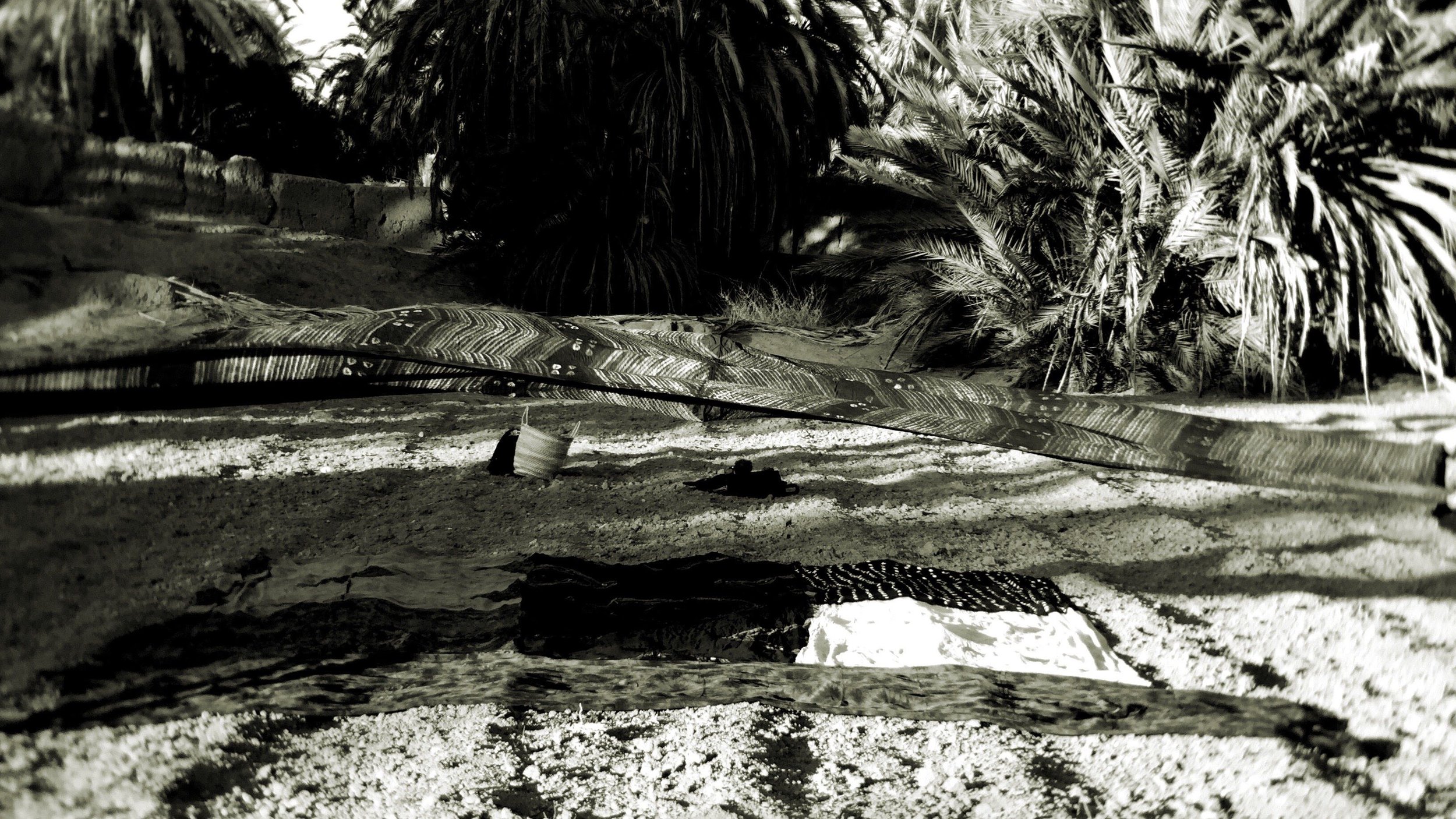
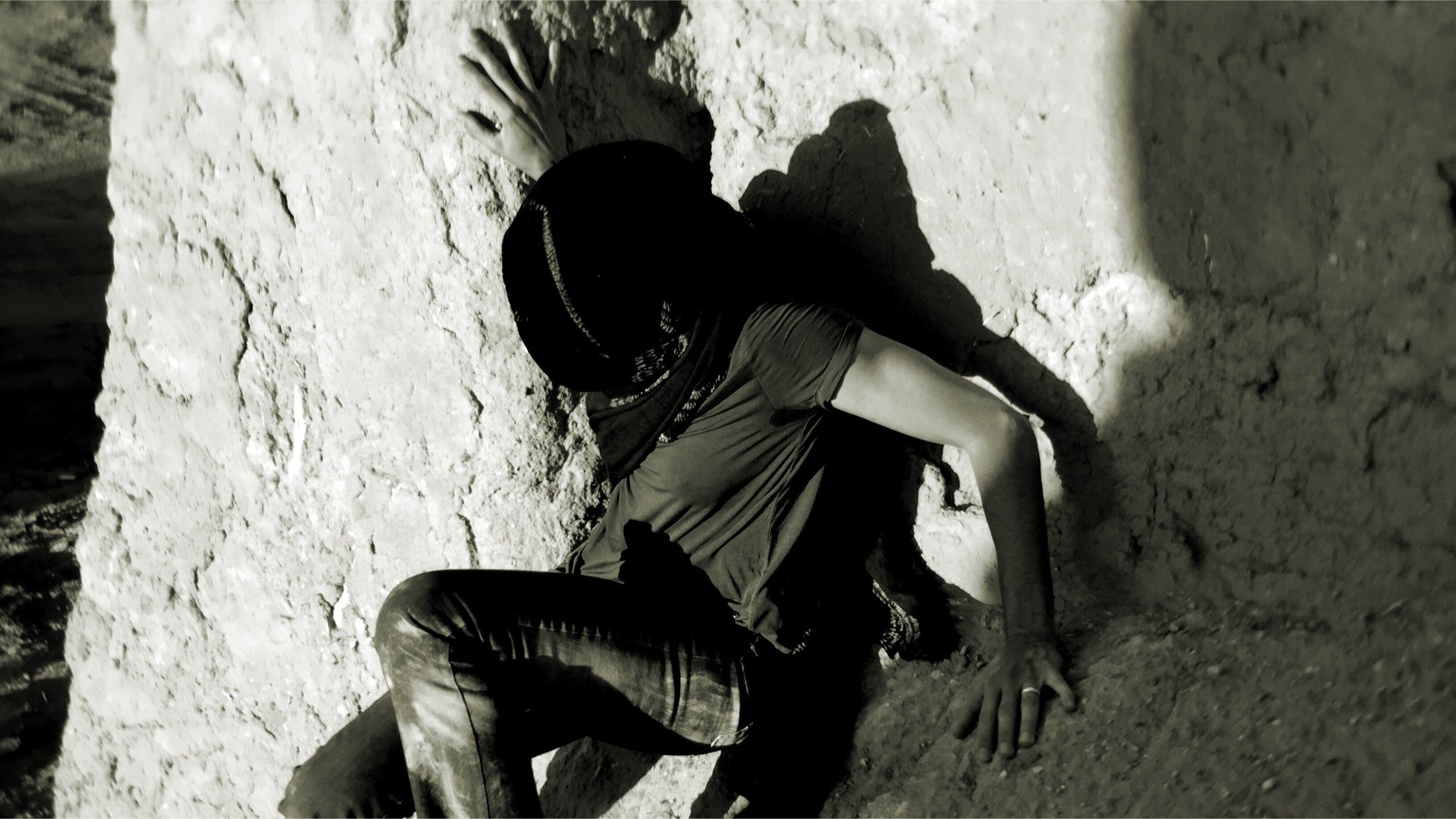
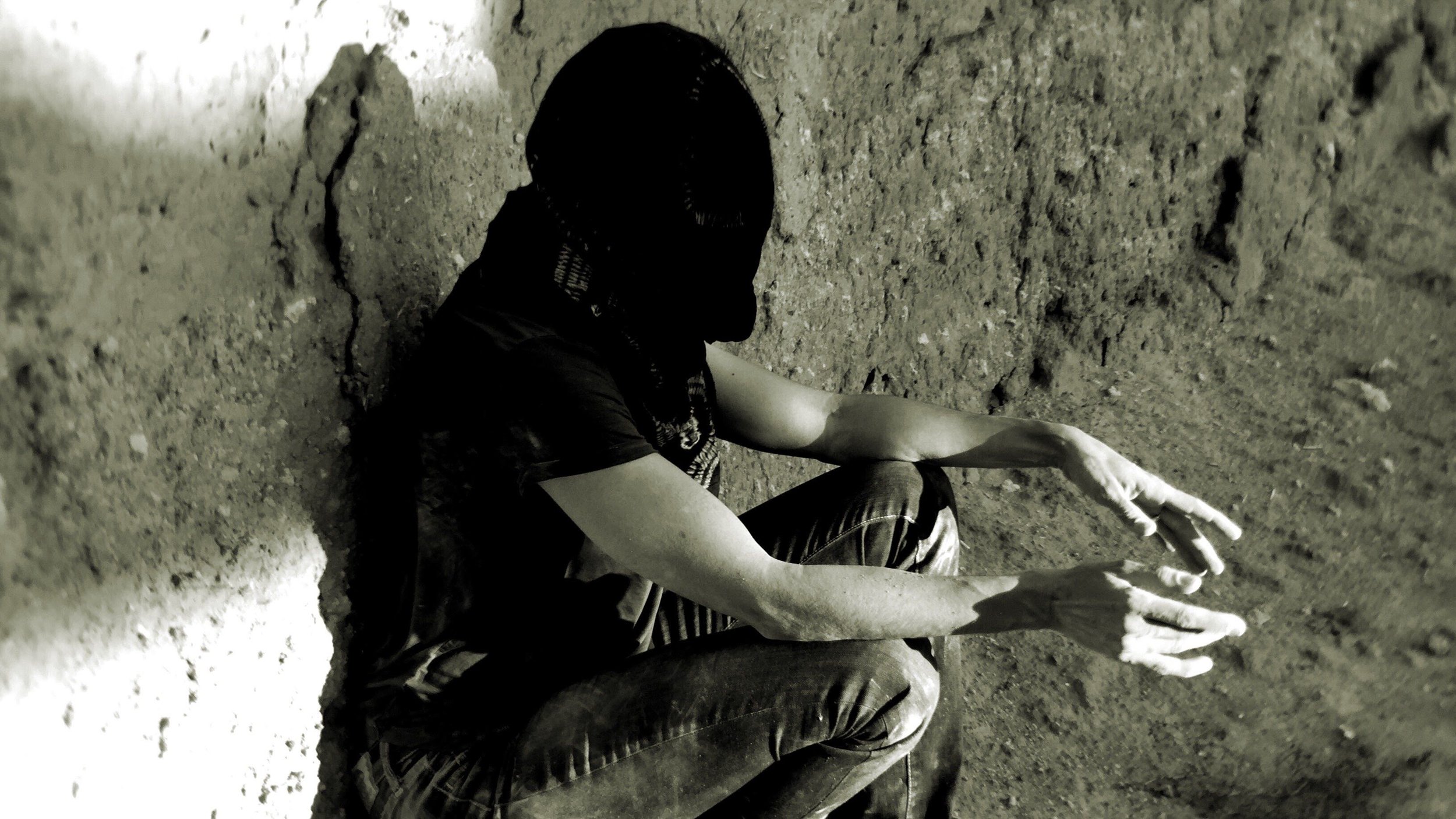
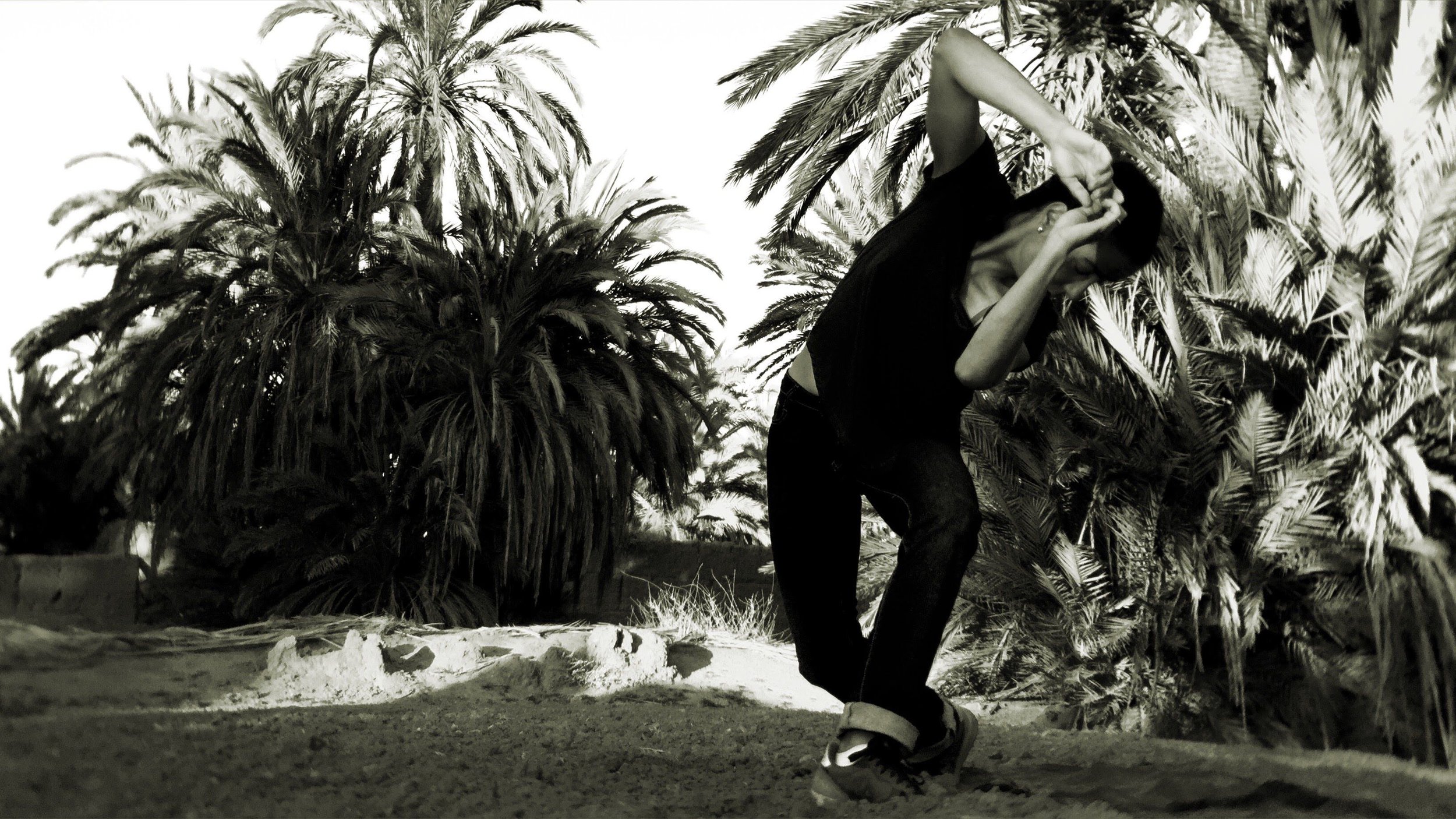
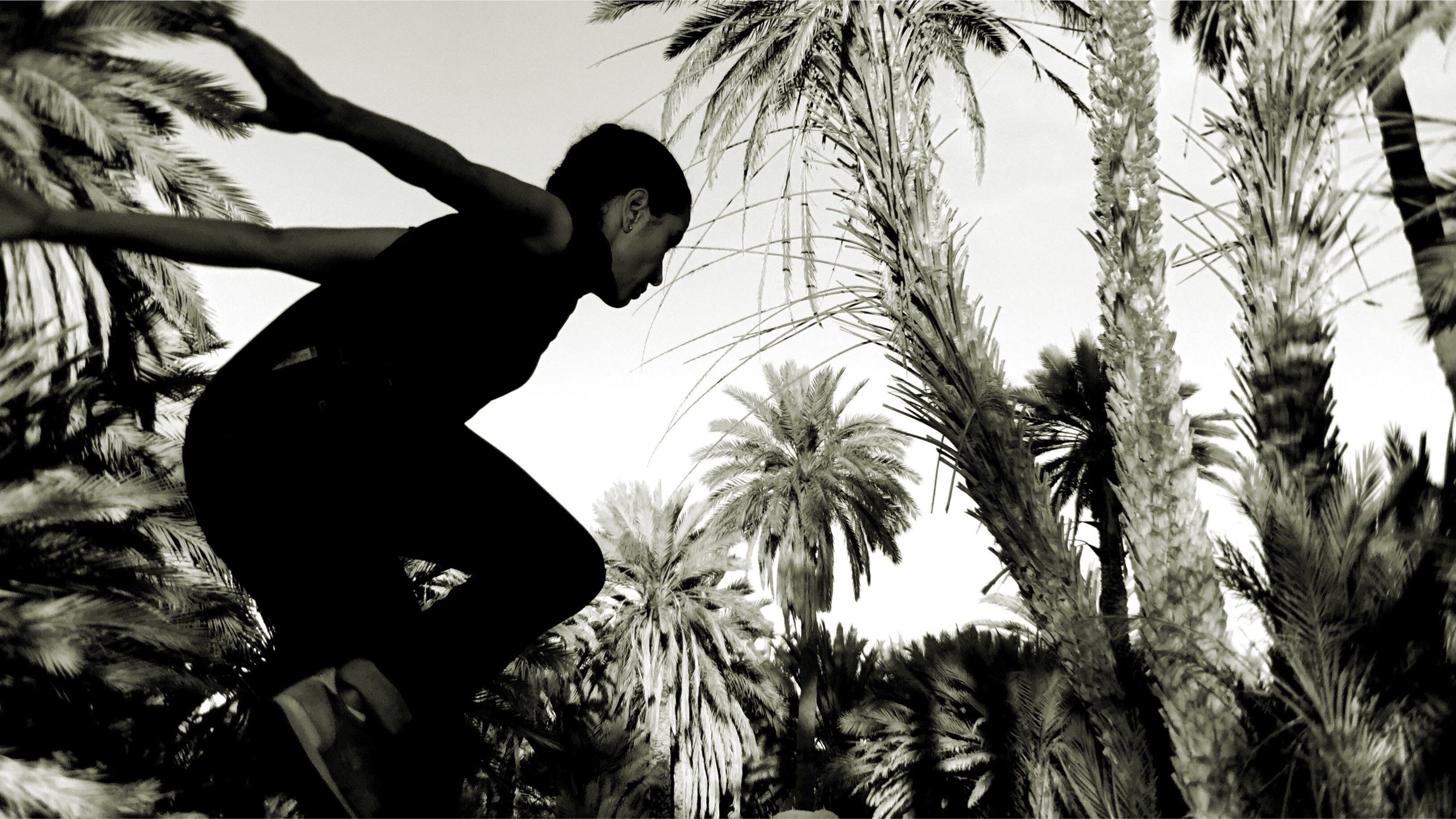
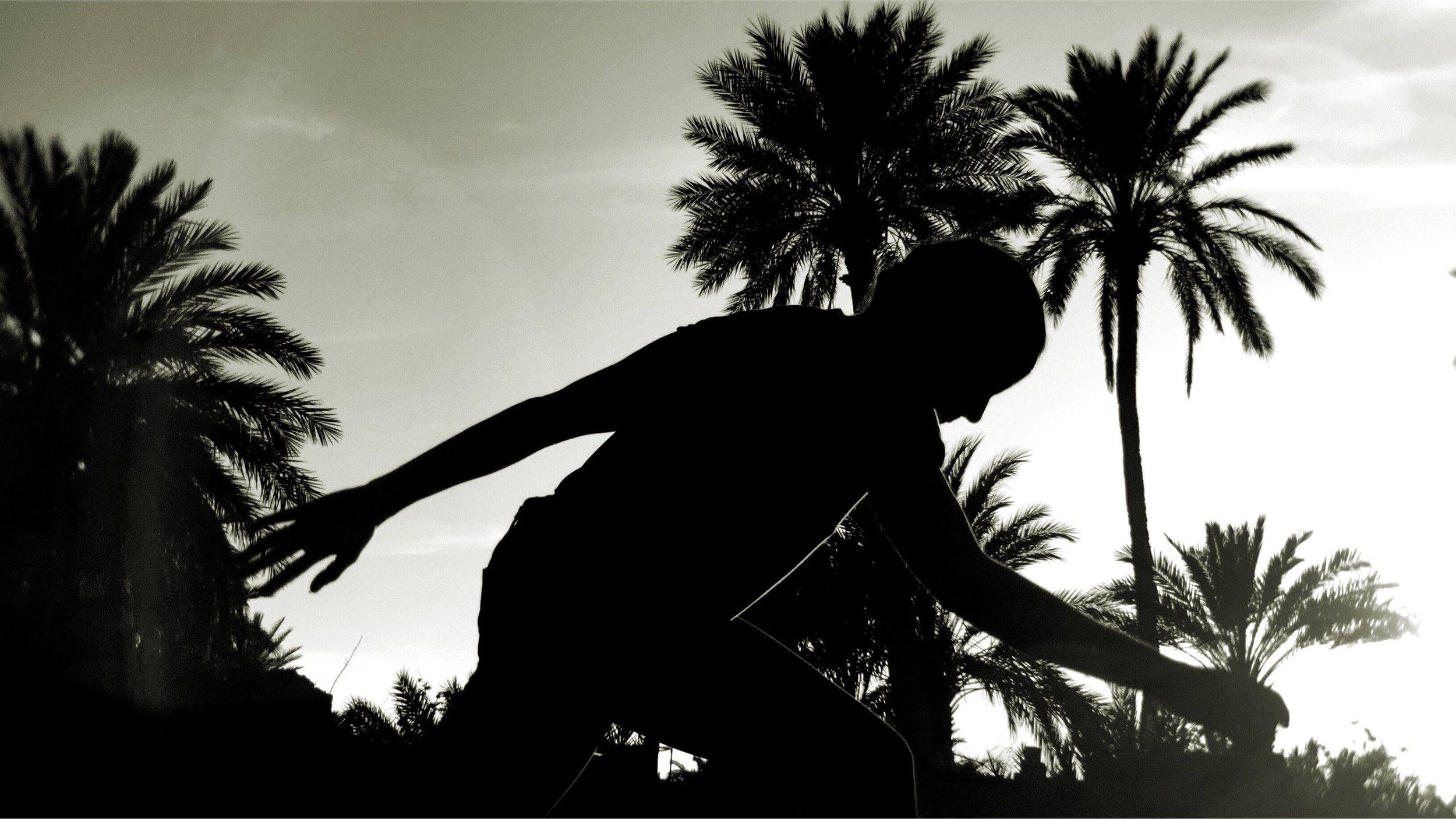

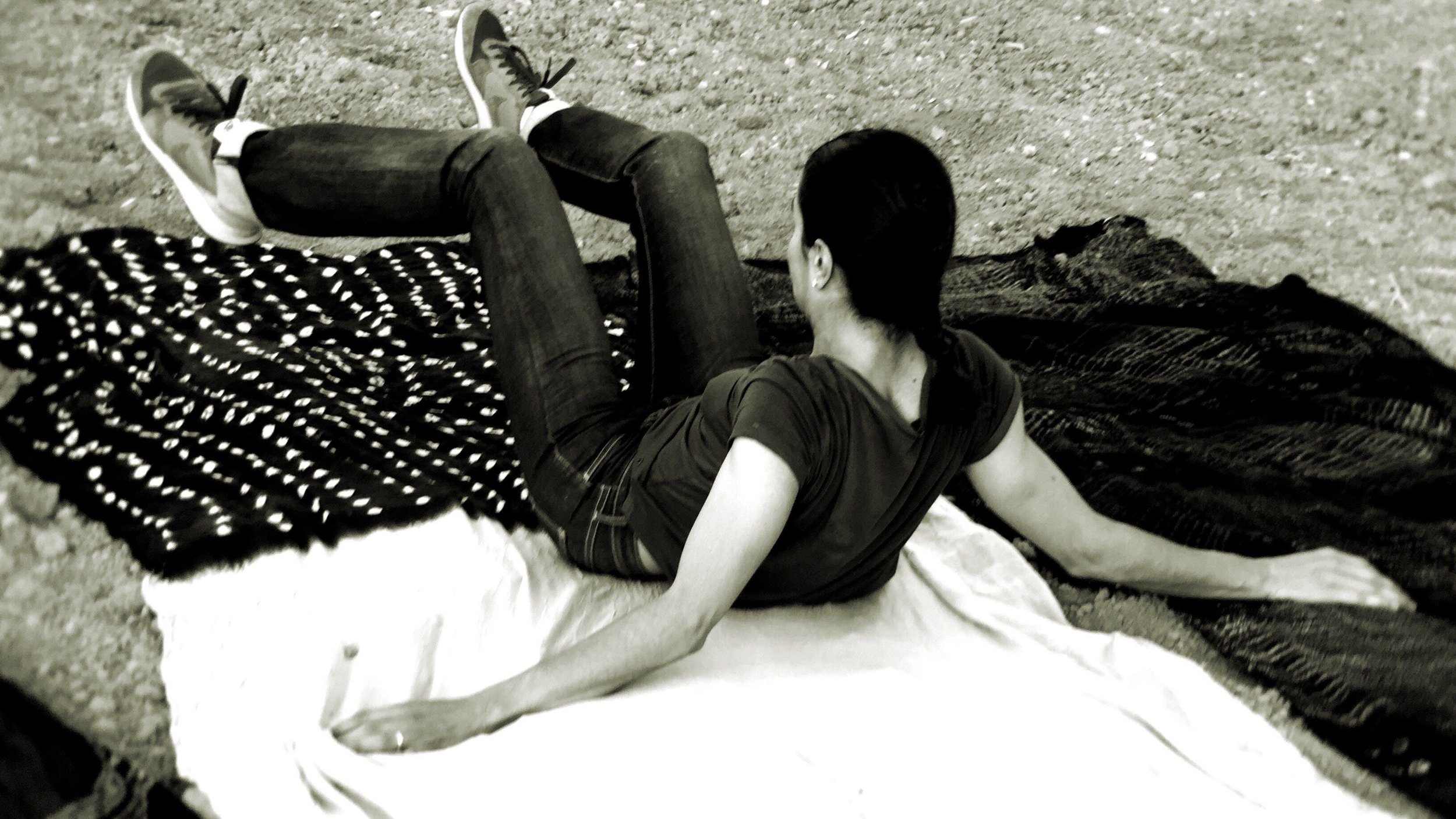
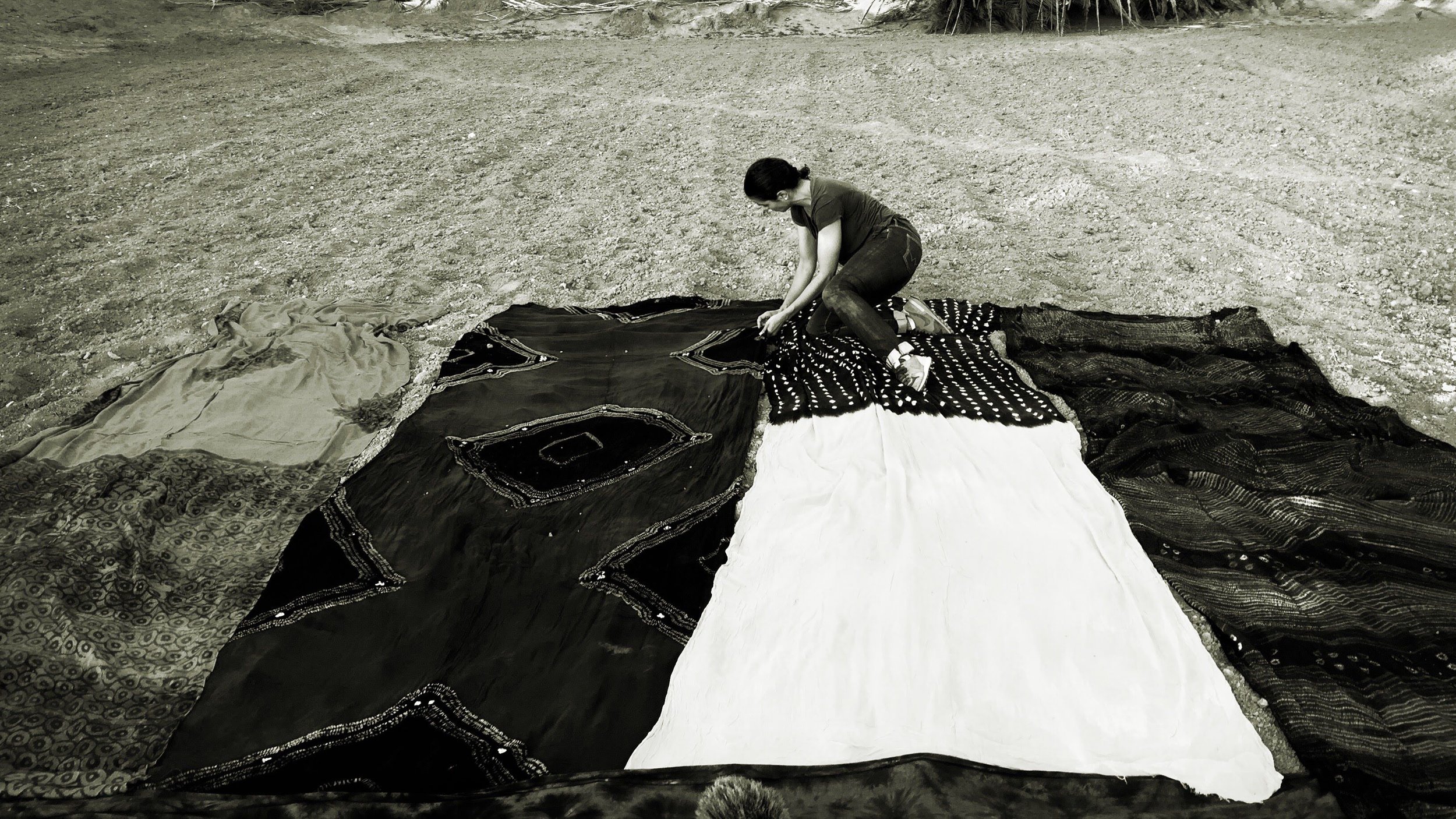
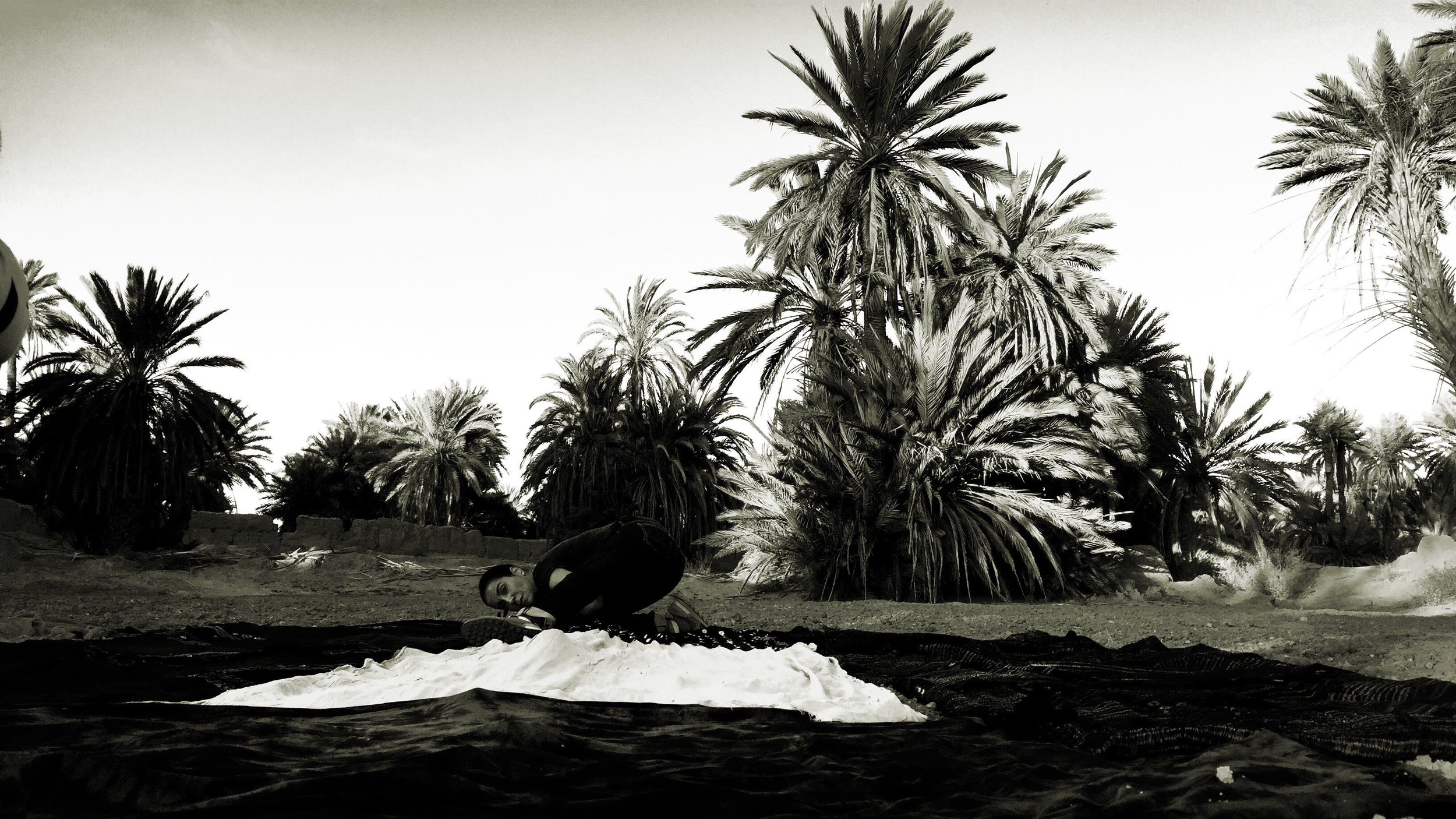
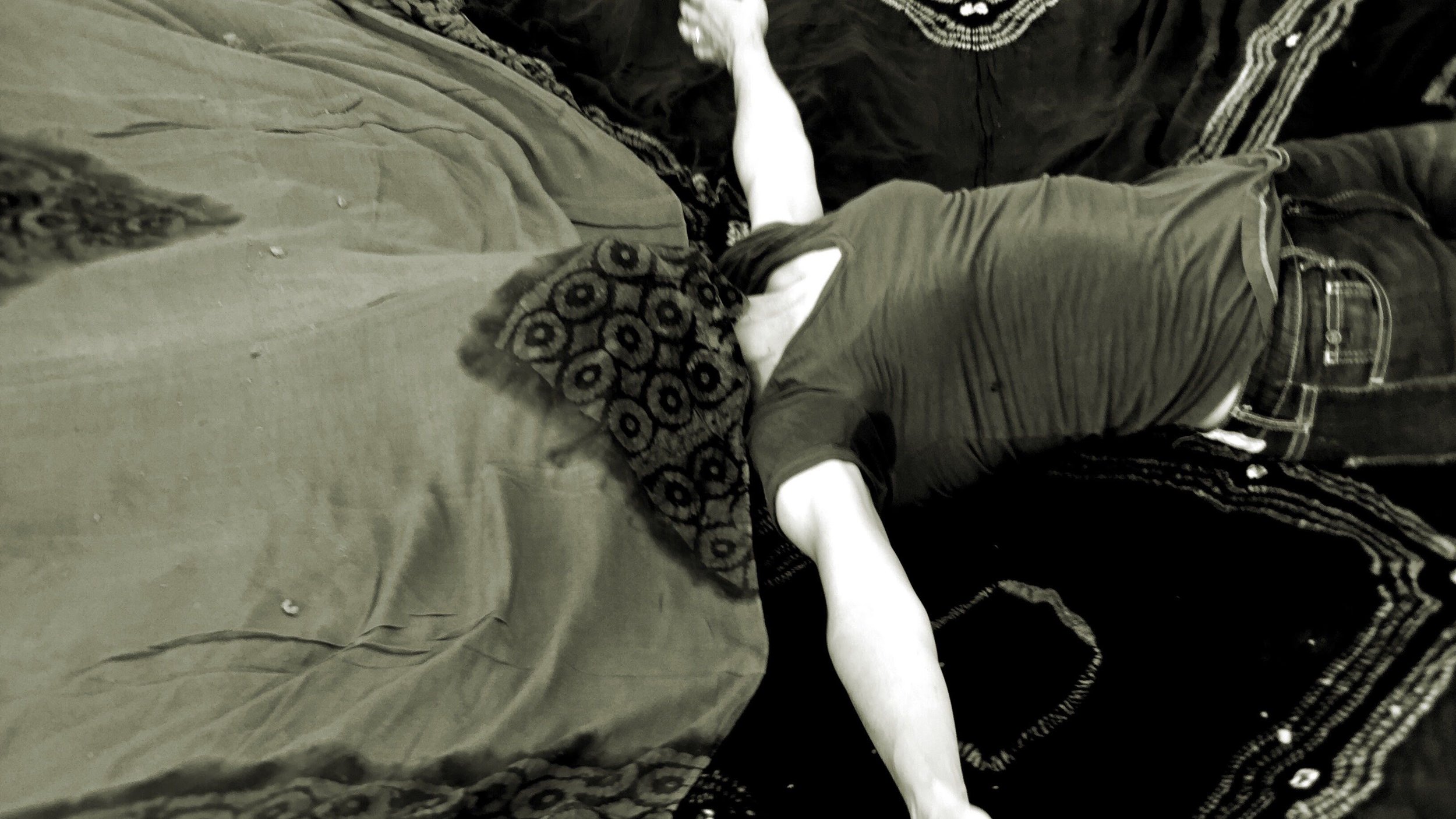
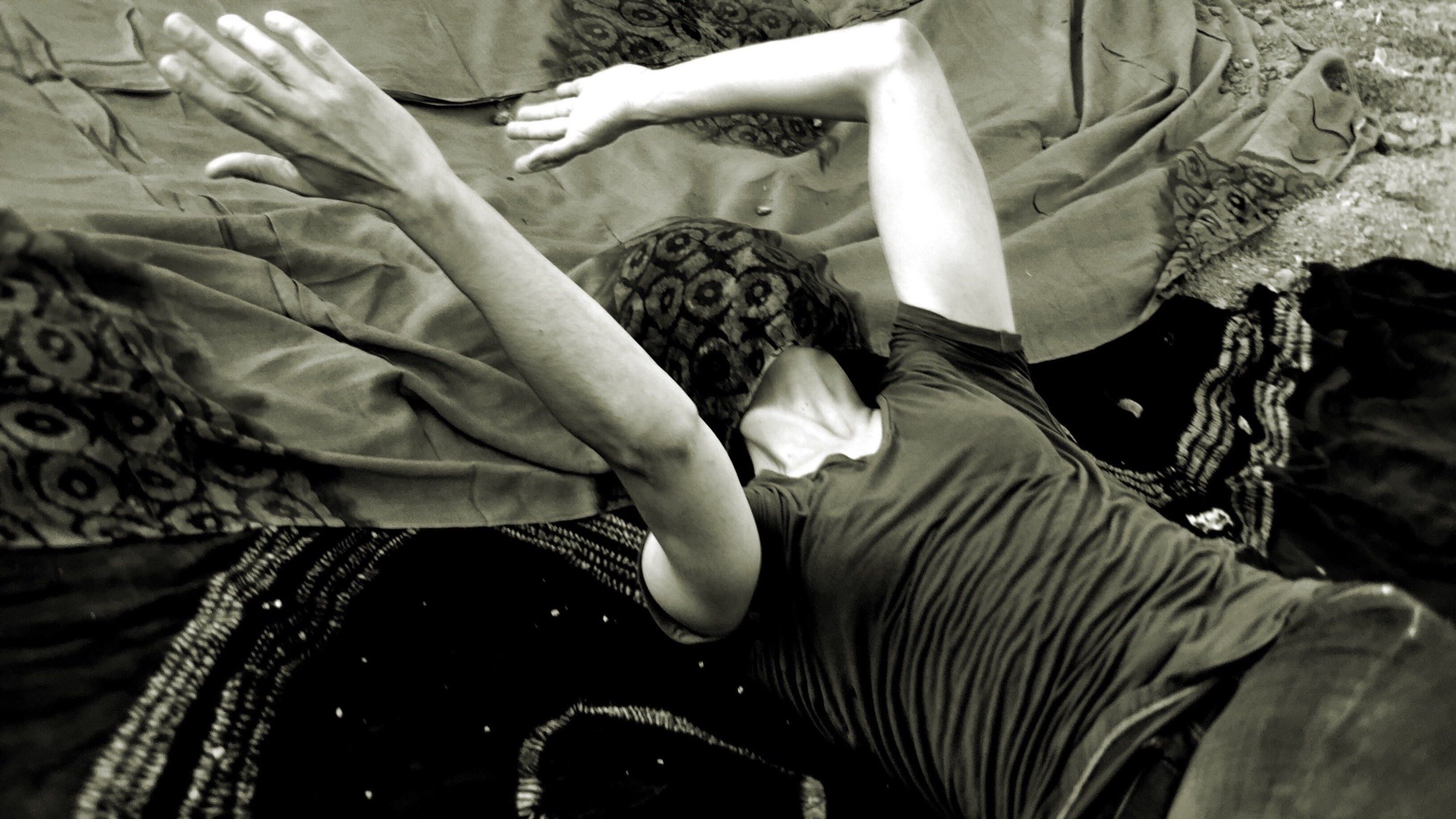
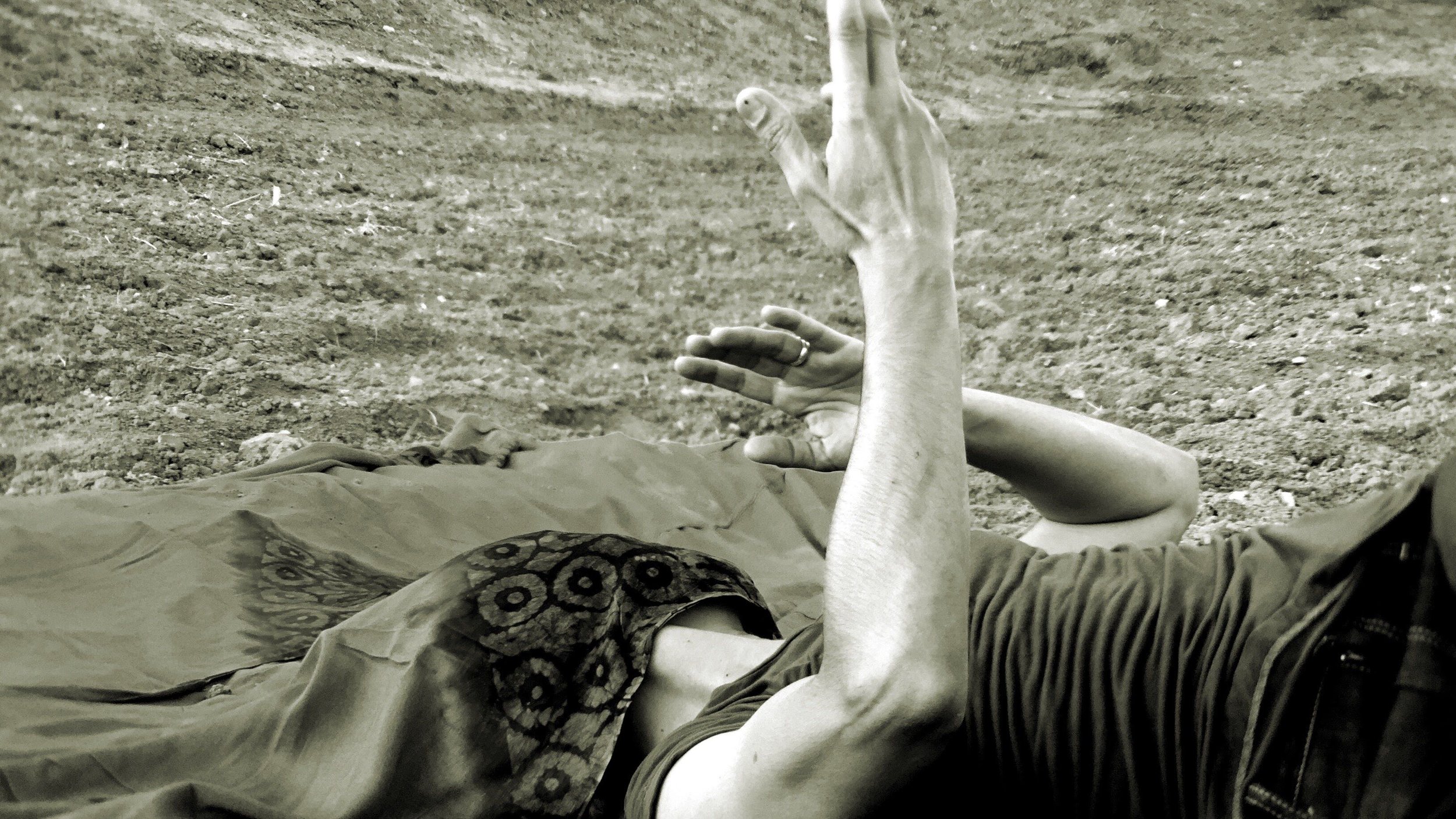
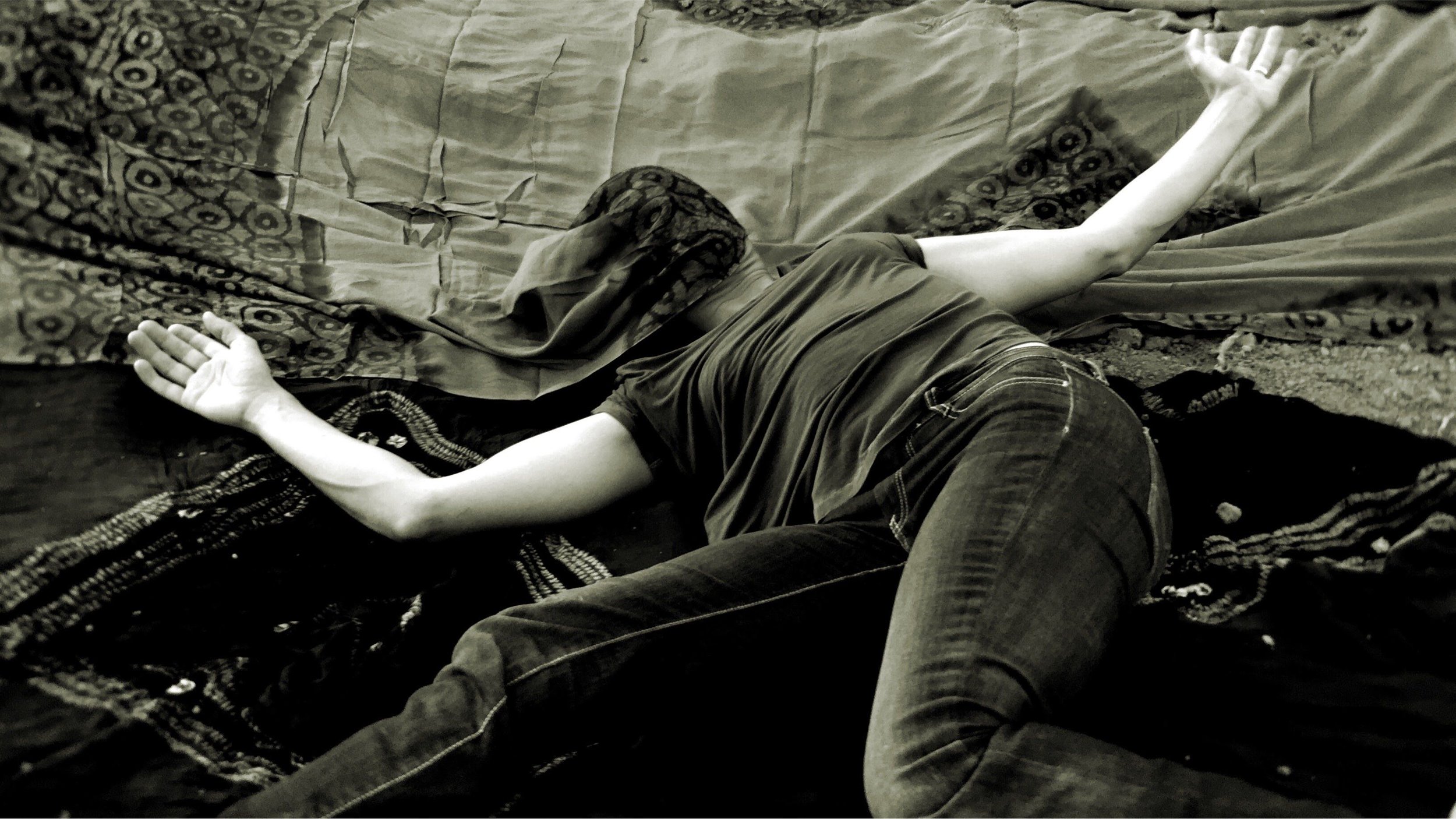
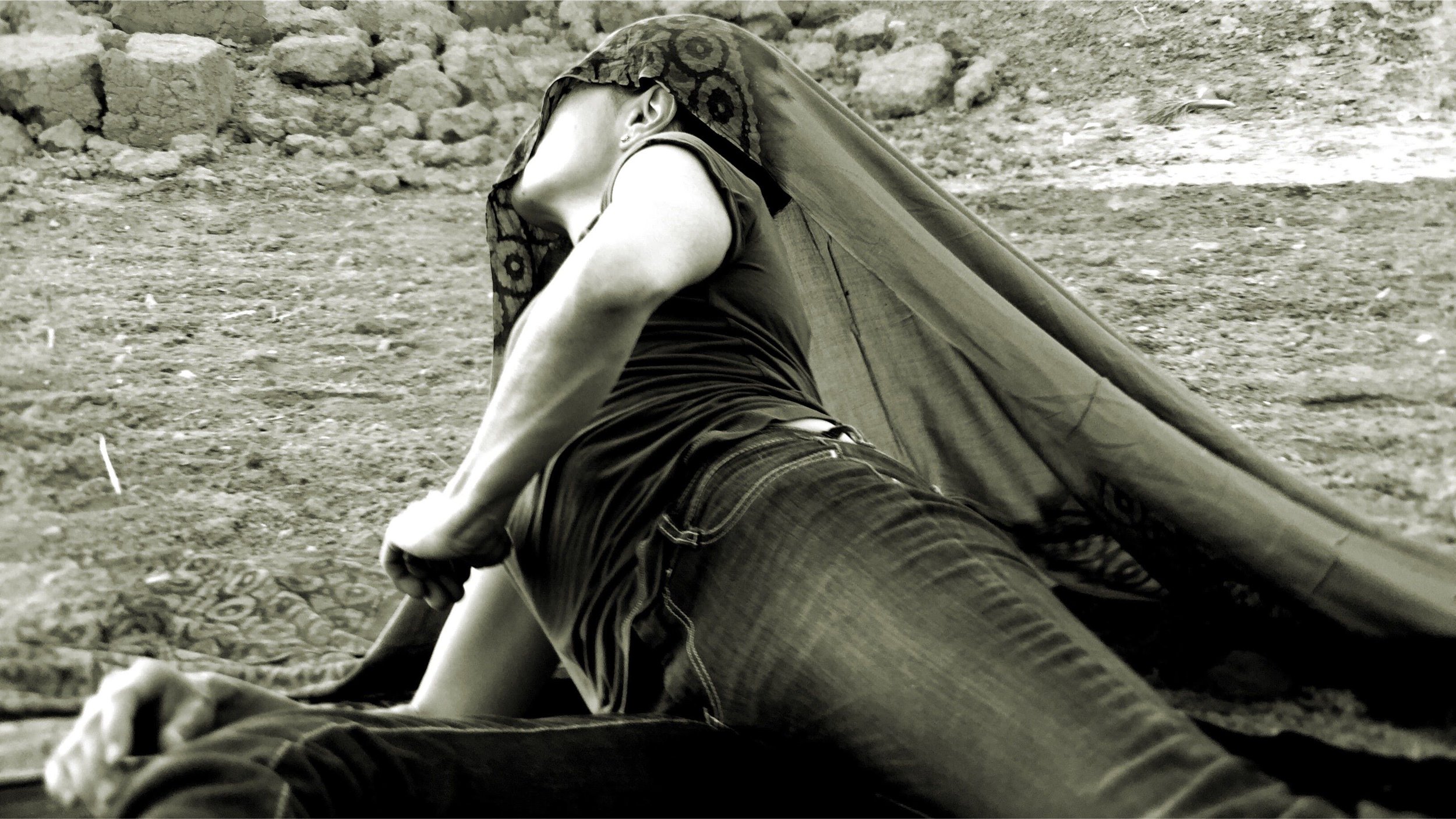
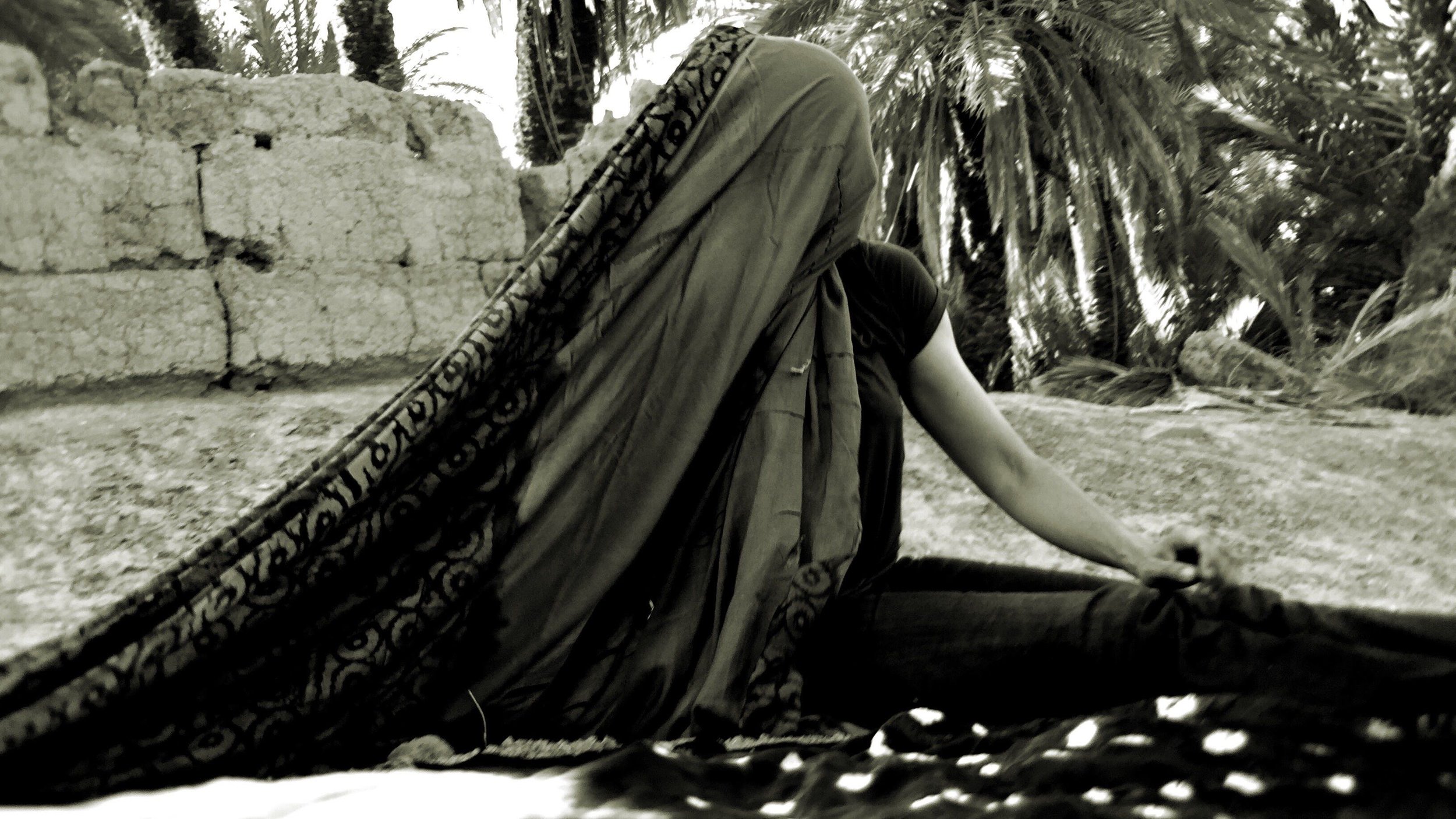
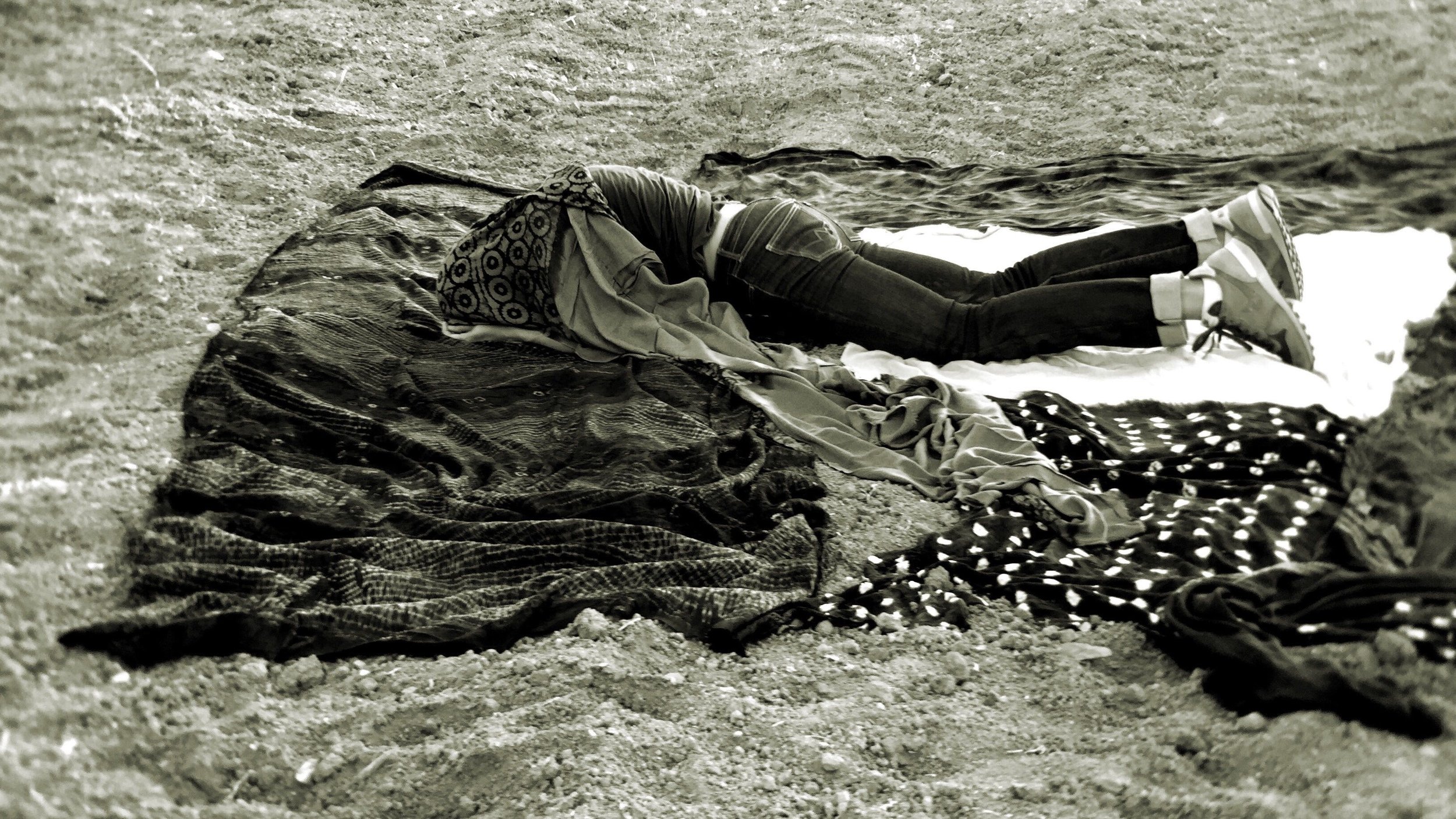
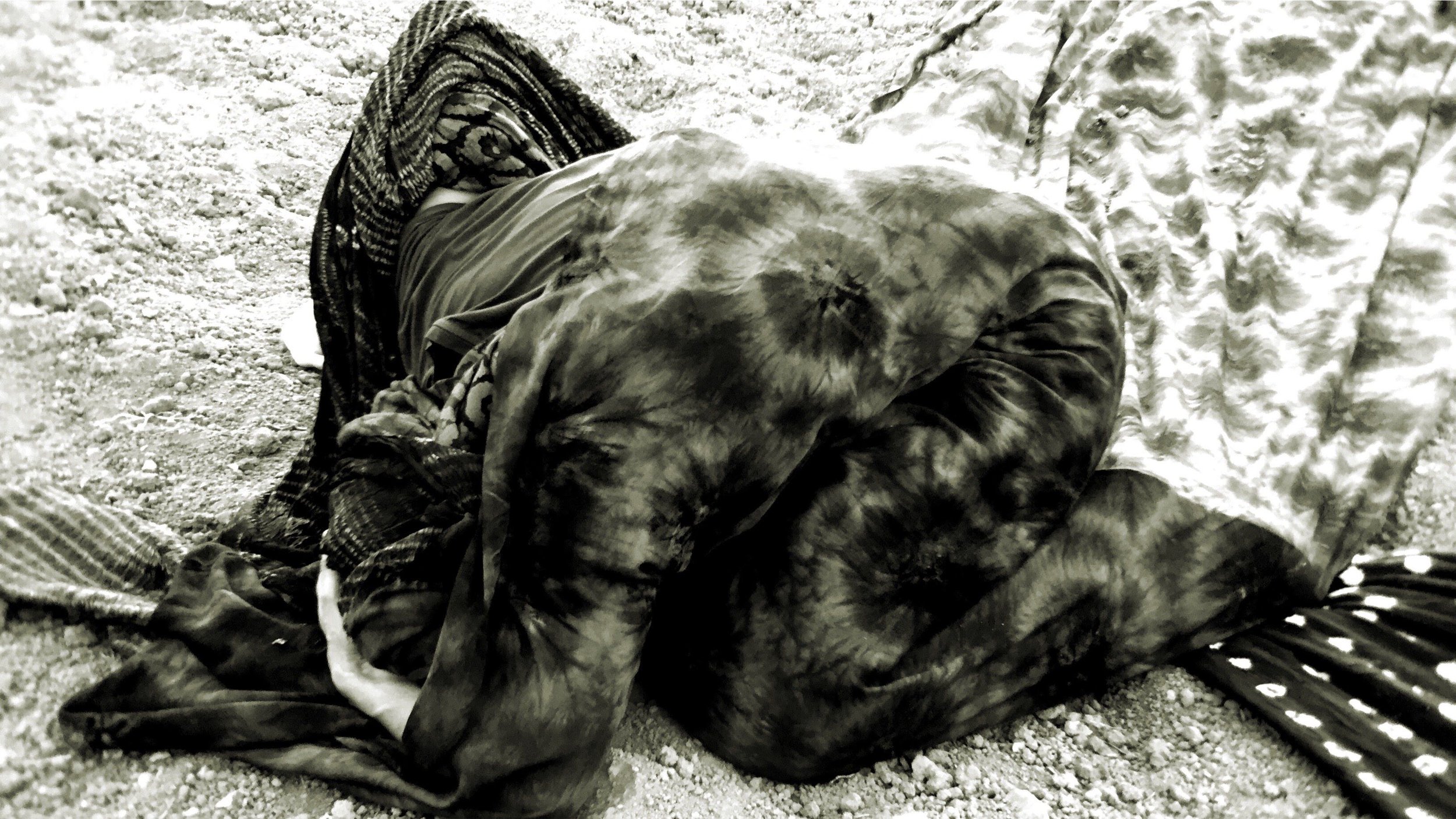
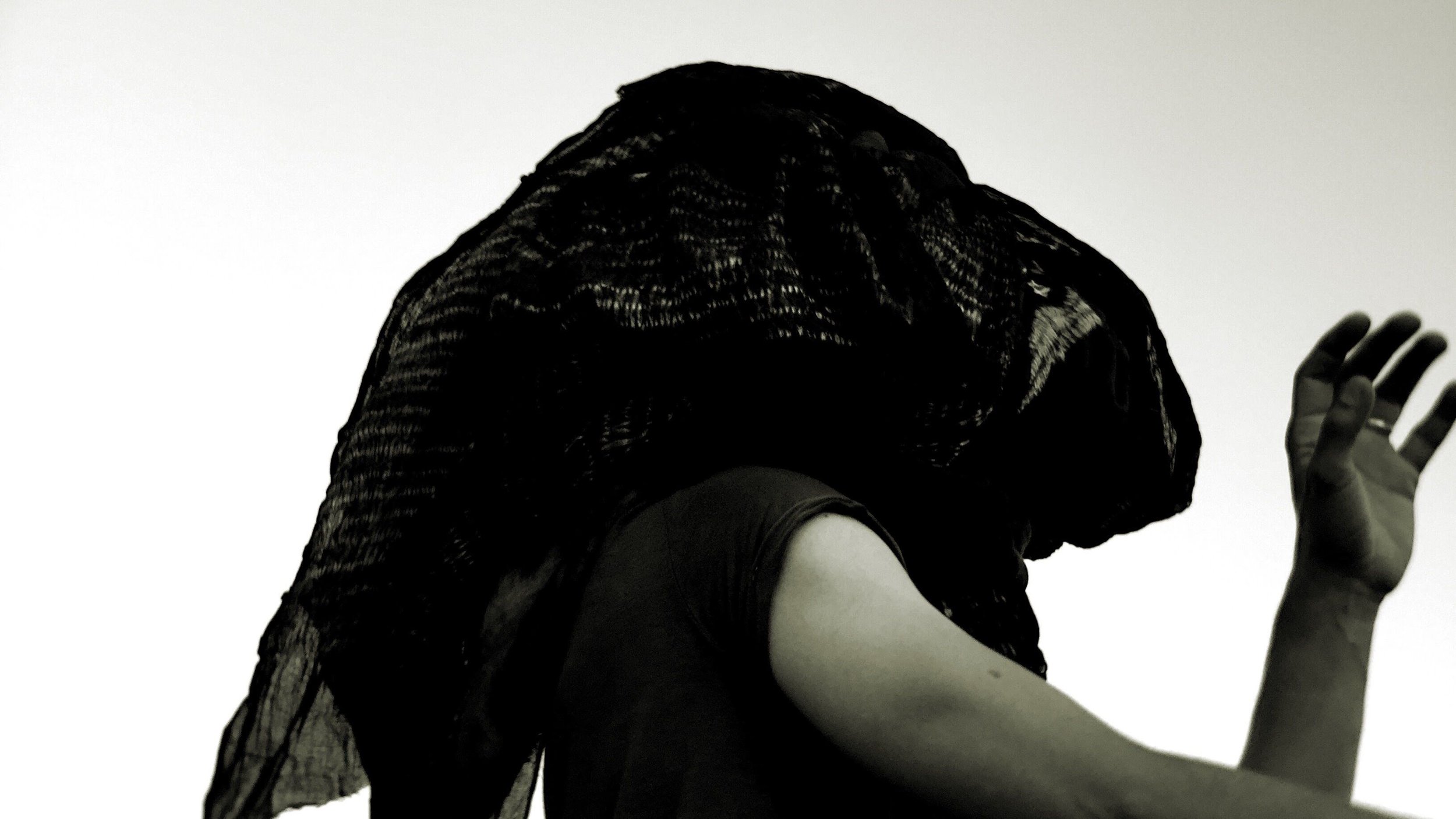
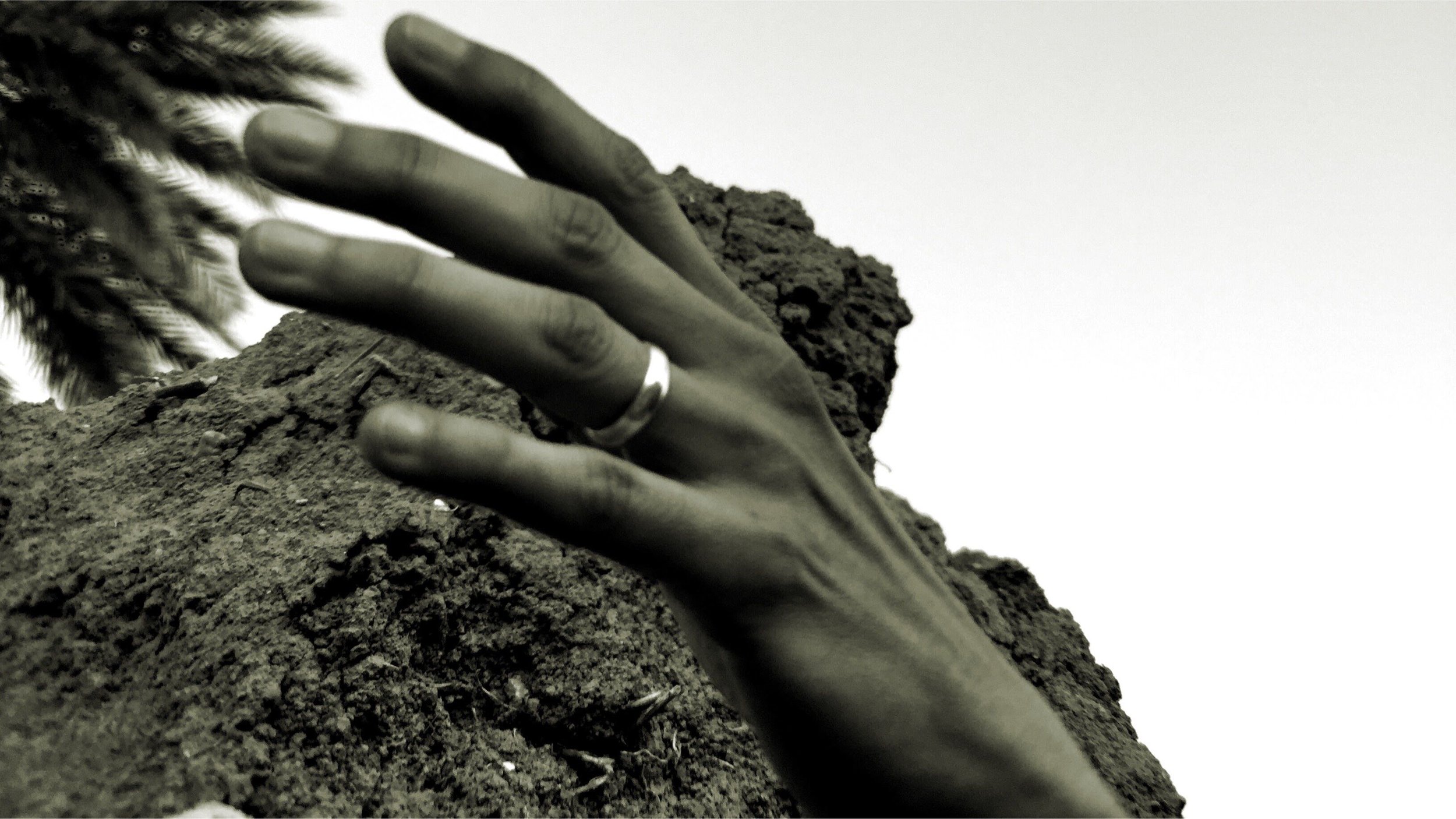
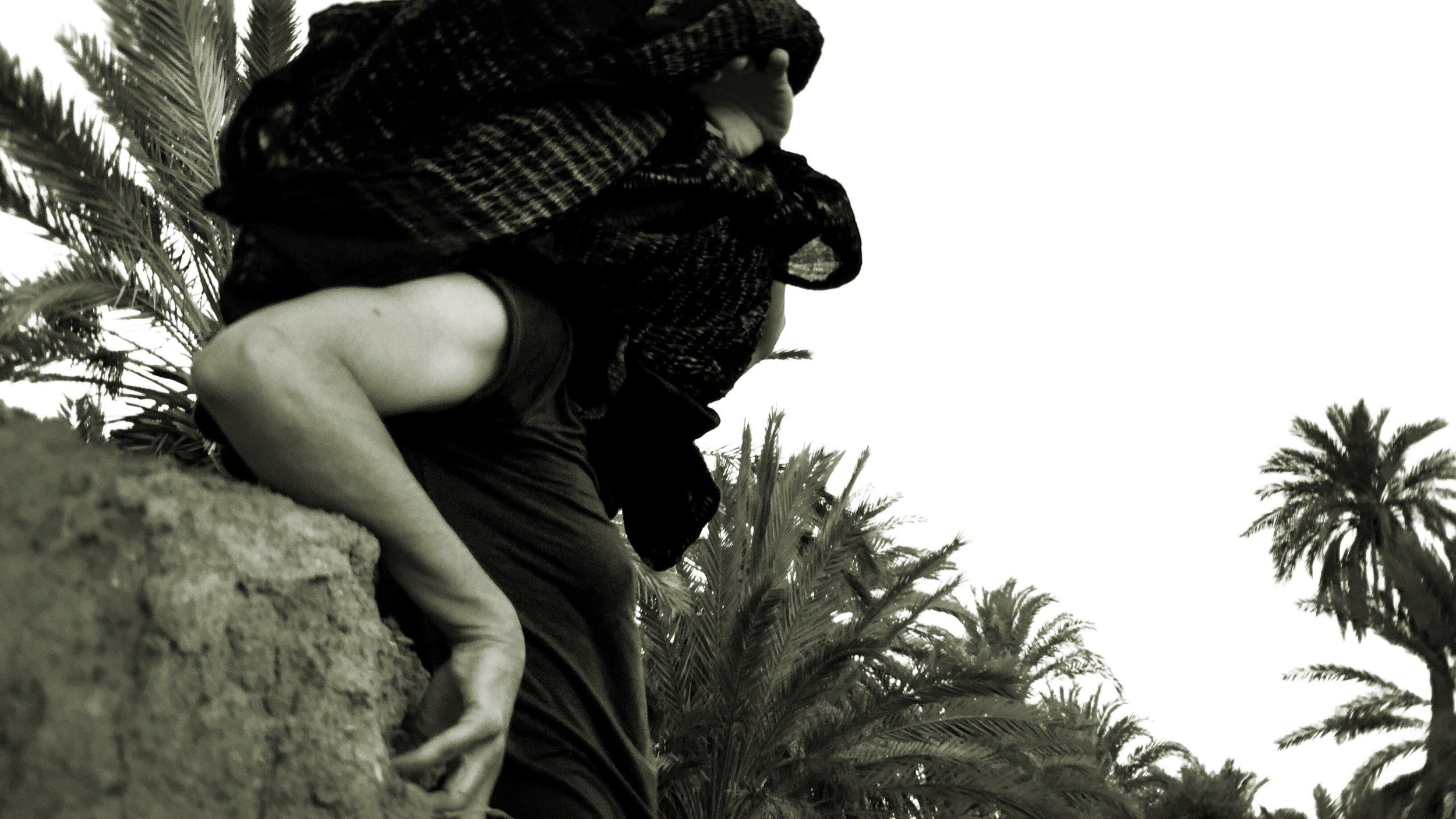
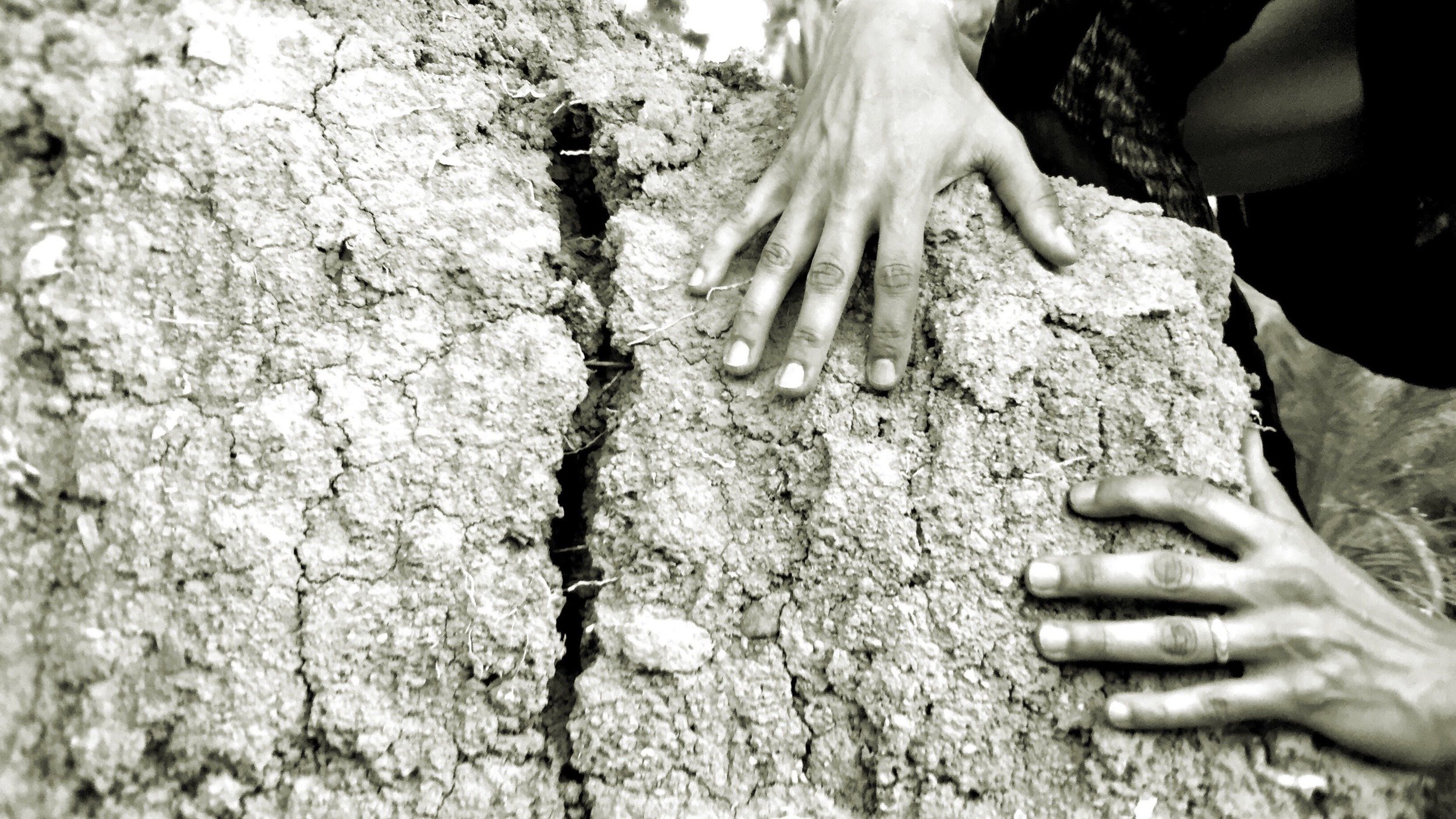
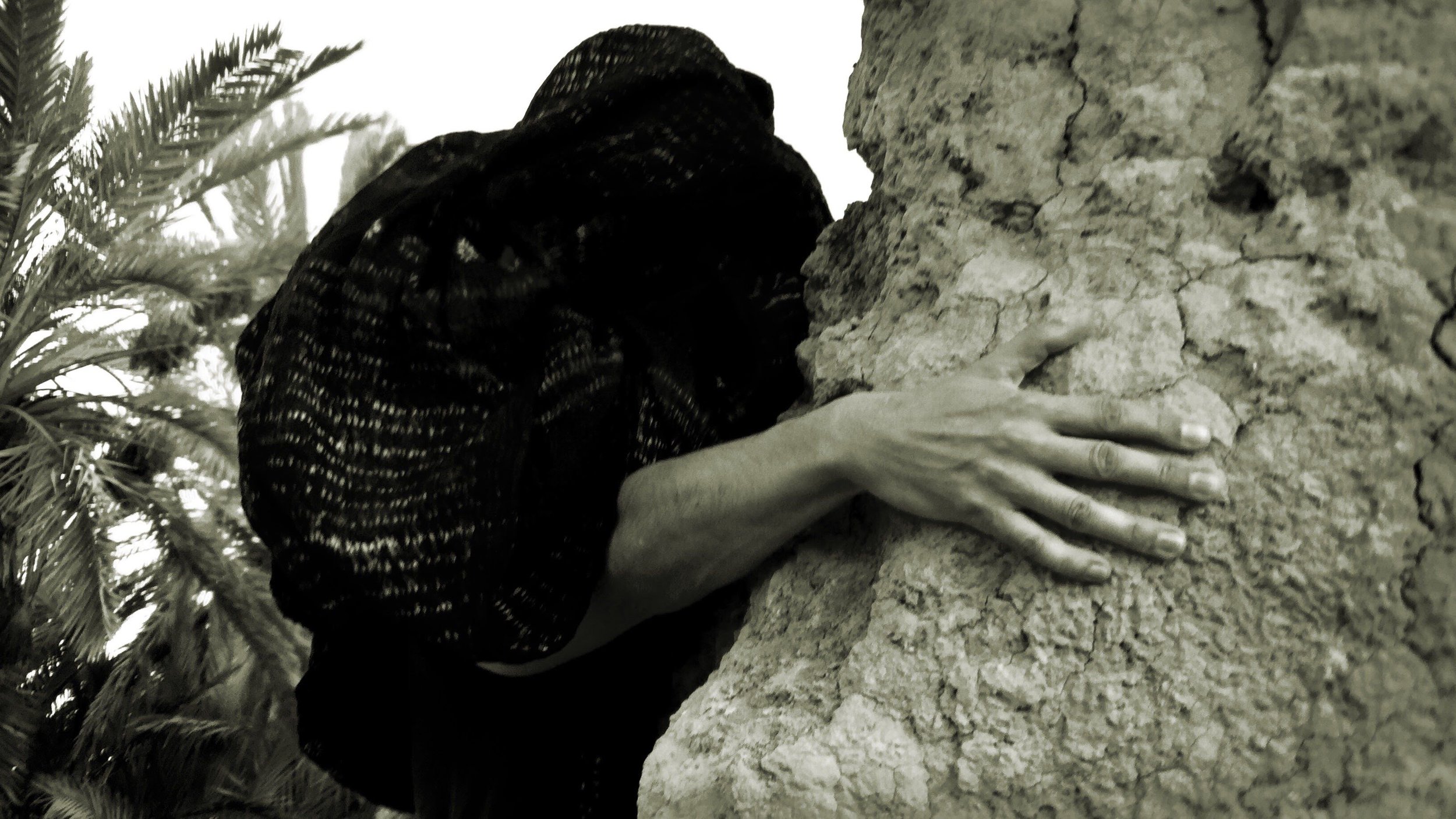
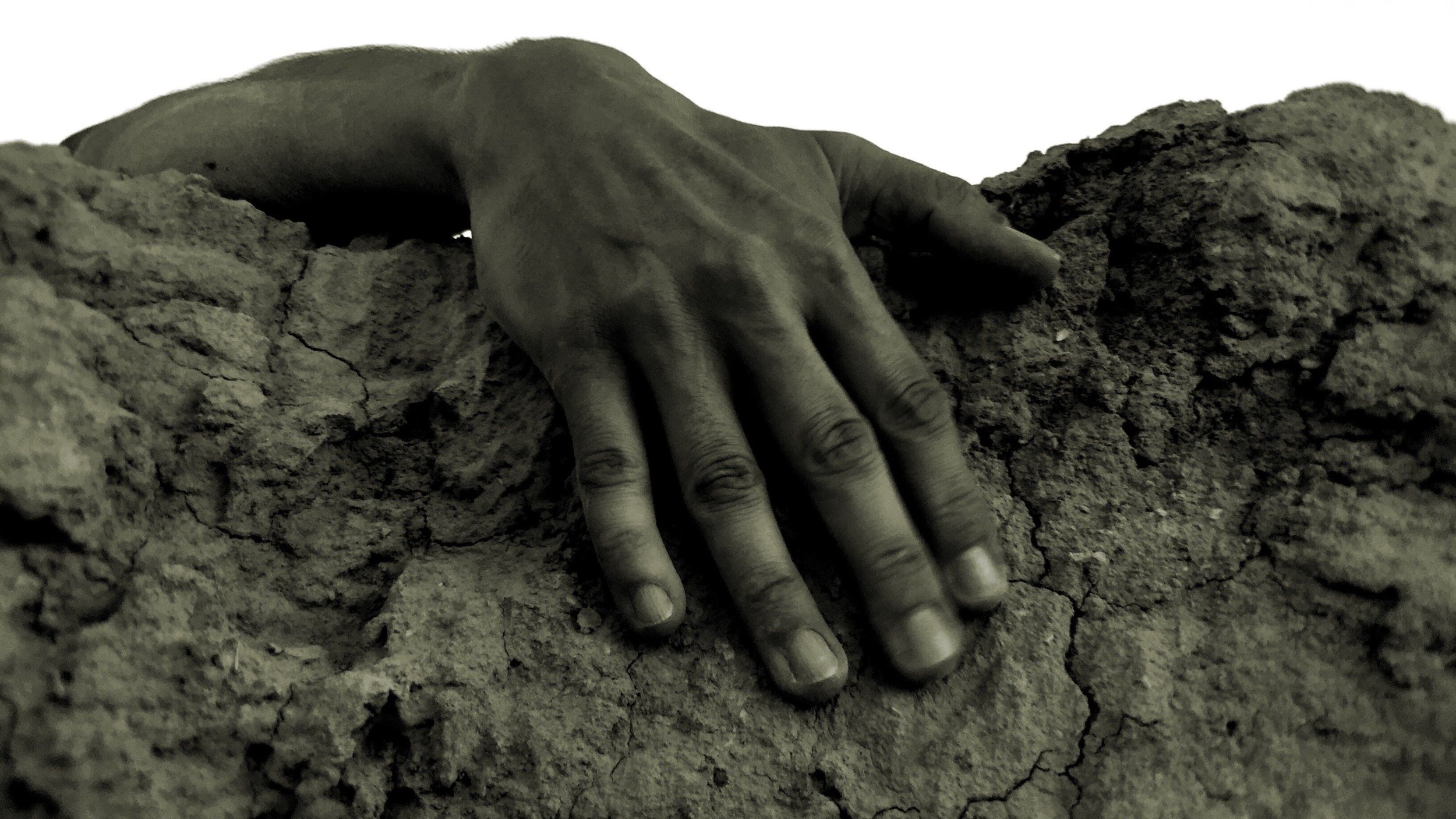
artists gathering
After the consequences the festival had on the oasis and in the Moroccan art community, we thought it could be a good idea to invite more visual and performing artists. Besides, authorities told us they were going to fund us with 20.000 Dh (1.850 €), which it should have been enough to pay the food and the rent of the stage with all the light and sound equipments.
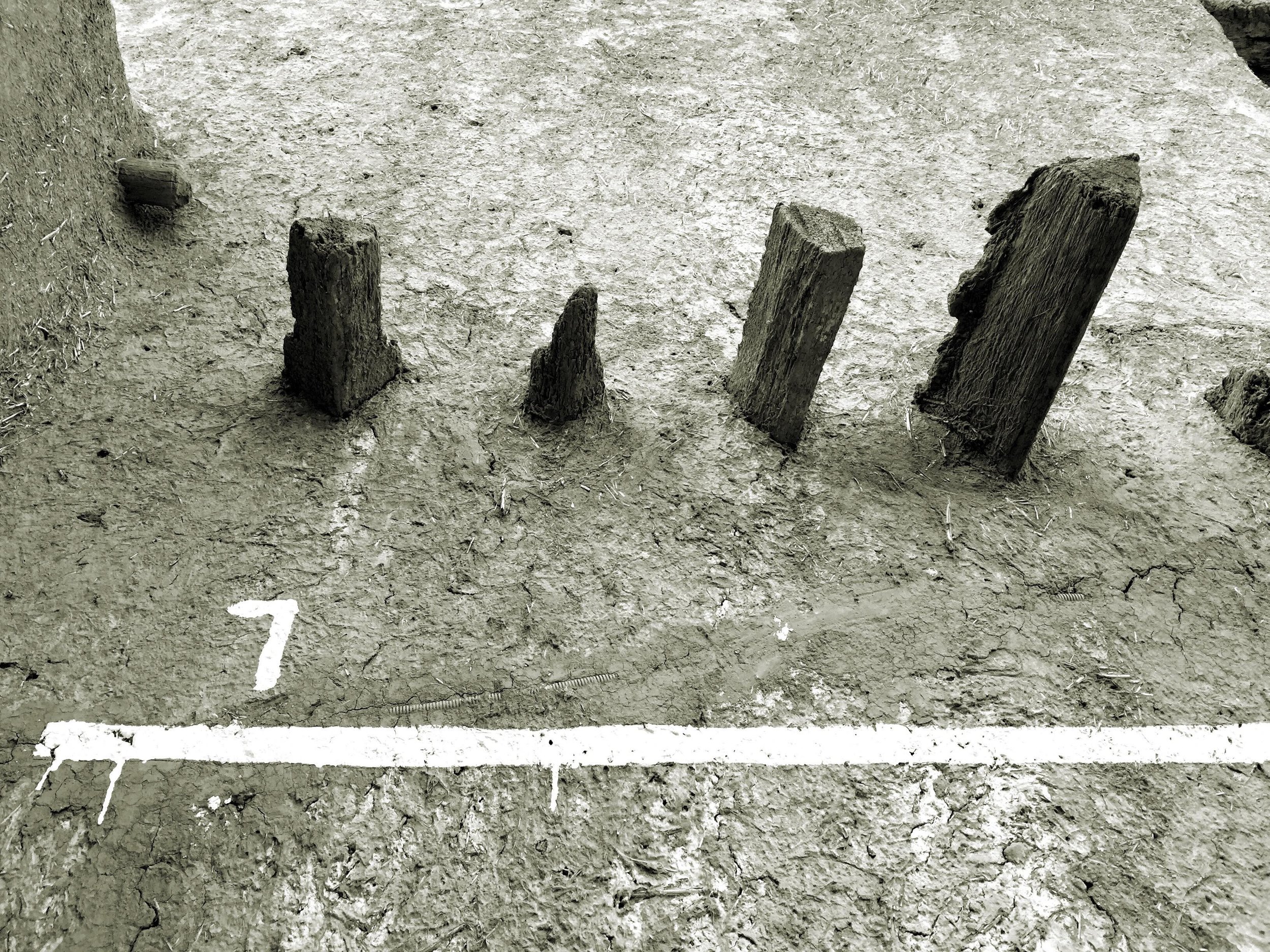
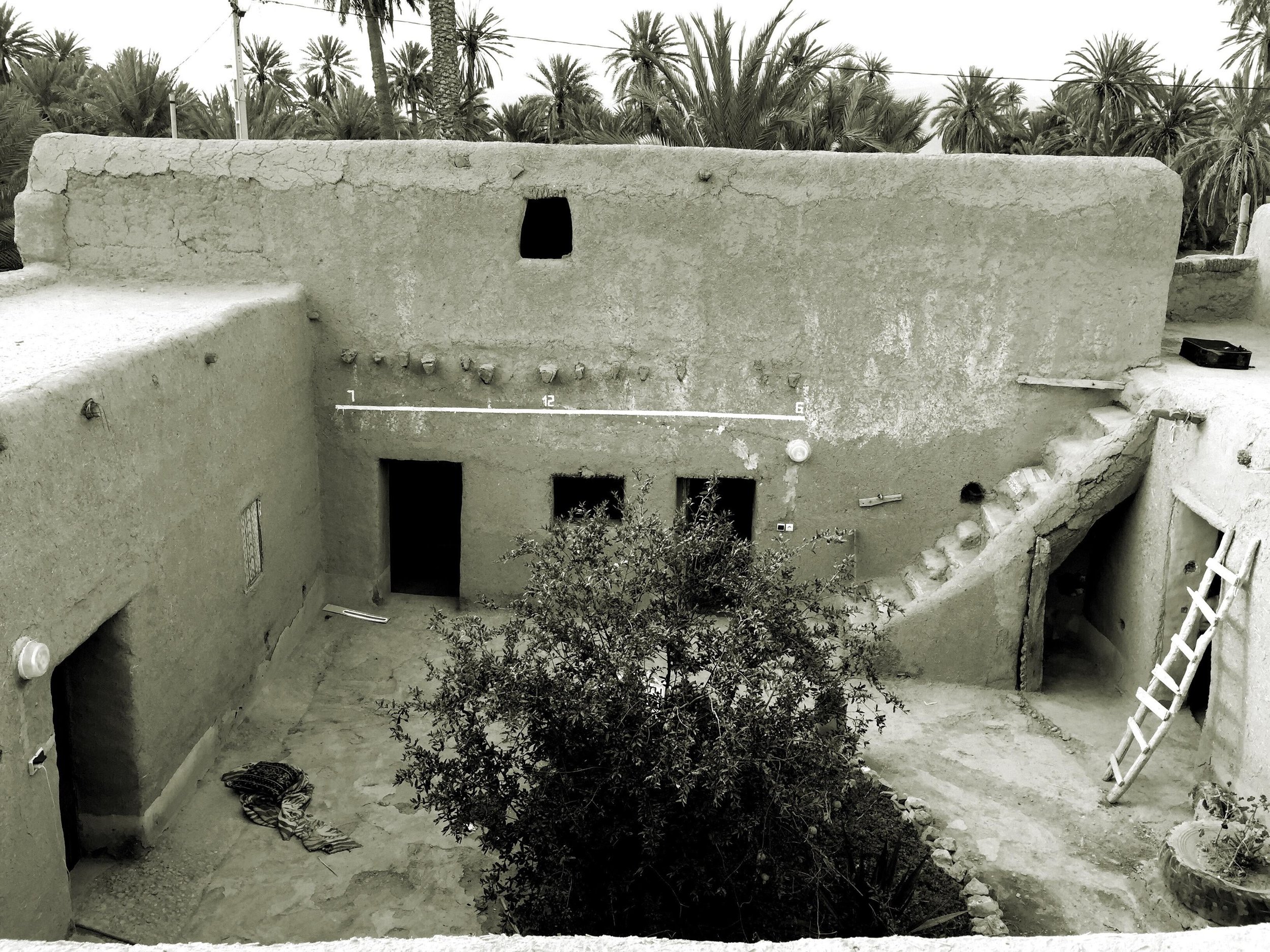
As usual, we decided it would be better to accommodate artists in traditional houses, instead of in guest houses, a way to better understand and learn the way people live in the oasis. The owners of four houses let us them for free to accommodate the artists. Thereby we could establish a circuit inside the palm grove, including all the places we needed, restaurant, studios, stage, accommodations...
In Morocco, young artists complain curators and organisers always invite the same artists to their exhibitions because they belong to their friendship cercle. To avoid this situation we launched a call for visual artists, thinking it would be the fairest way to carry out the selection, thus giving the opportunity to participate to artists, even young ones, we did not know. As we are aware how long it takes to apply we decided to simplify as much as possible the information requested (in fact it could be done in 5 minutes). The selection was made by Mohamed Arejdal, M'barek Bouhchichi and myself. Nowadays we continue to do call for applications, even if there are some artists that are invited directly because they already started a research in previous editions or in earlier visits to Tighmert.
We offered the participants to develop one of these activities, to make workshops with the children or young people of the oasis, to do researches or to produce an art work with materials they would find in the palm grove. We did not want to ask all of them for a piece of art, because we knew they would need time to discover the oasis, but also because we had no institutional funding, so we had no obligation to present a result.
The fact of working with children it is not a matter of entertainment, we had already experienced how artists can be introduced to the oasian world hand in hand with locals (experiences acquired during Warsha Sahara and Caravane Tighmert 2015), besides some of the artists had come twice or even three times and they had already created links with young people of Tighmert.
This time activities multiplied throughout the oasis for a week. Some artists started collaborations between them (the case of Amar Al-Bojrad, Mourad Belouadi and Laila Hida), others did workshops with the children and young people from Tighmert, and also from Guelmim, a fact that helps to renforce the self-esteem of the population (Guelmim is the capital of the province and also of the region while Tighmert is just a small village).
We always wanted to show the singularity of this place, specially to inhabitants who sometimes are not aware of its potentialities. For this reason we looked for a special and representative place for the concerts, that could reflect the identity of the oasis. We decided to use as stage background one of the two casbahs, which is the Museum of Nomadic Memory.
Another important aspect of the event is the gathering itself. Artists already well known in the Moroccan and European art scene, young artists, inhabitants... they all live together during a week, they all learn and sometimes they start new artistic collaborations.
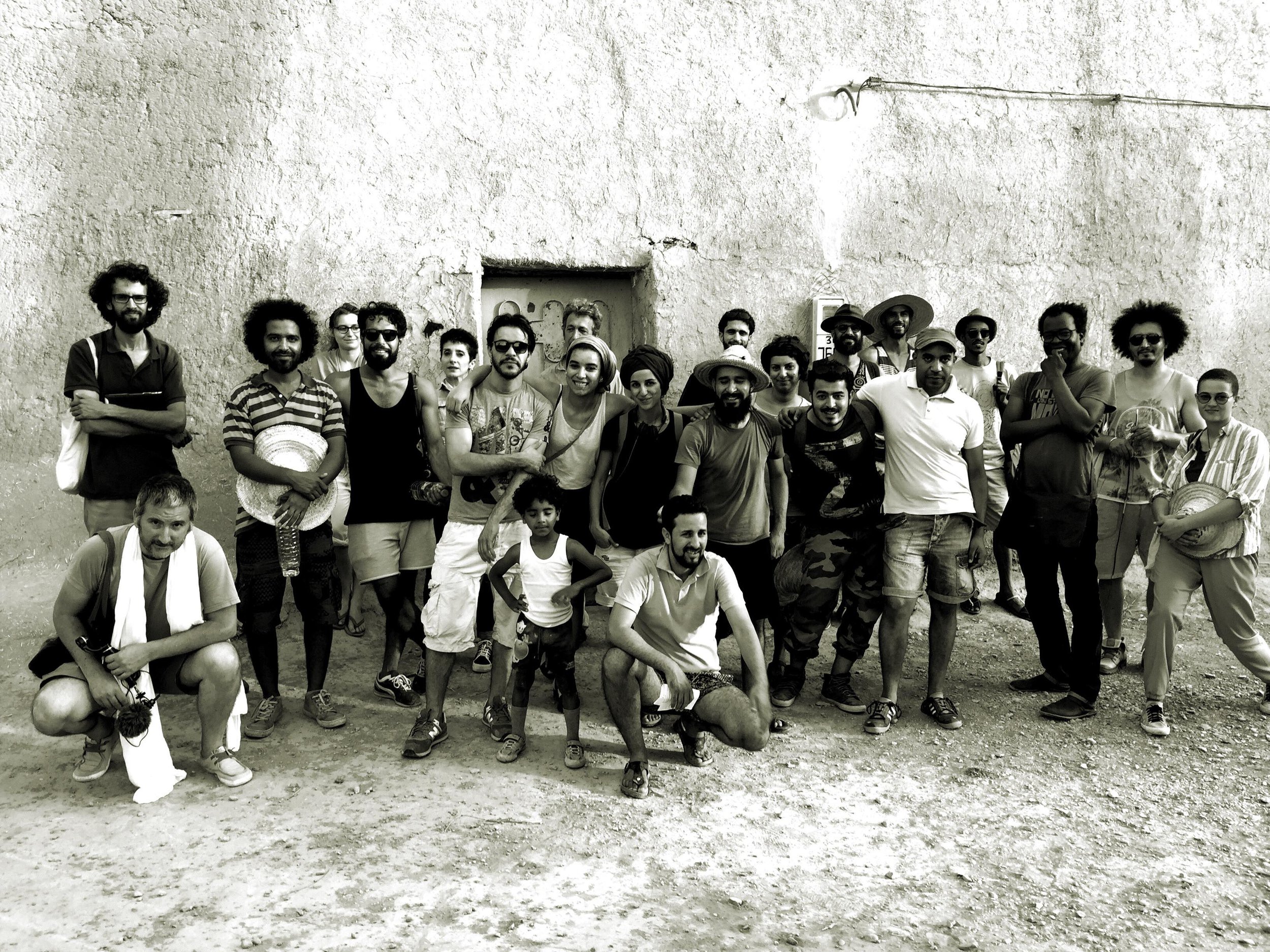
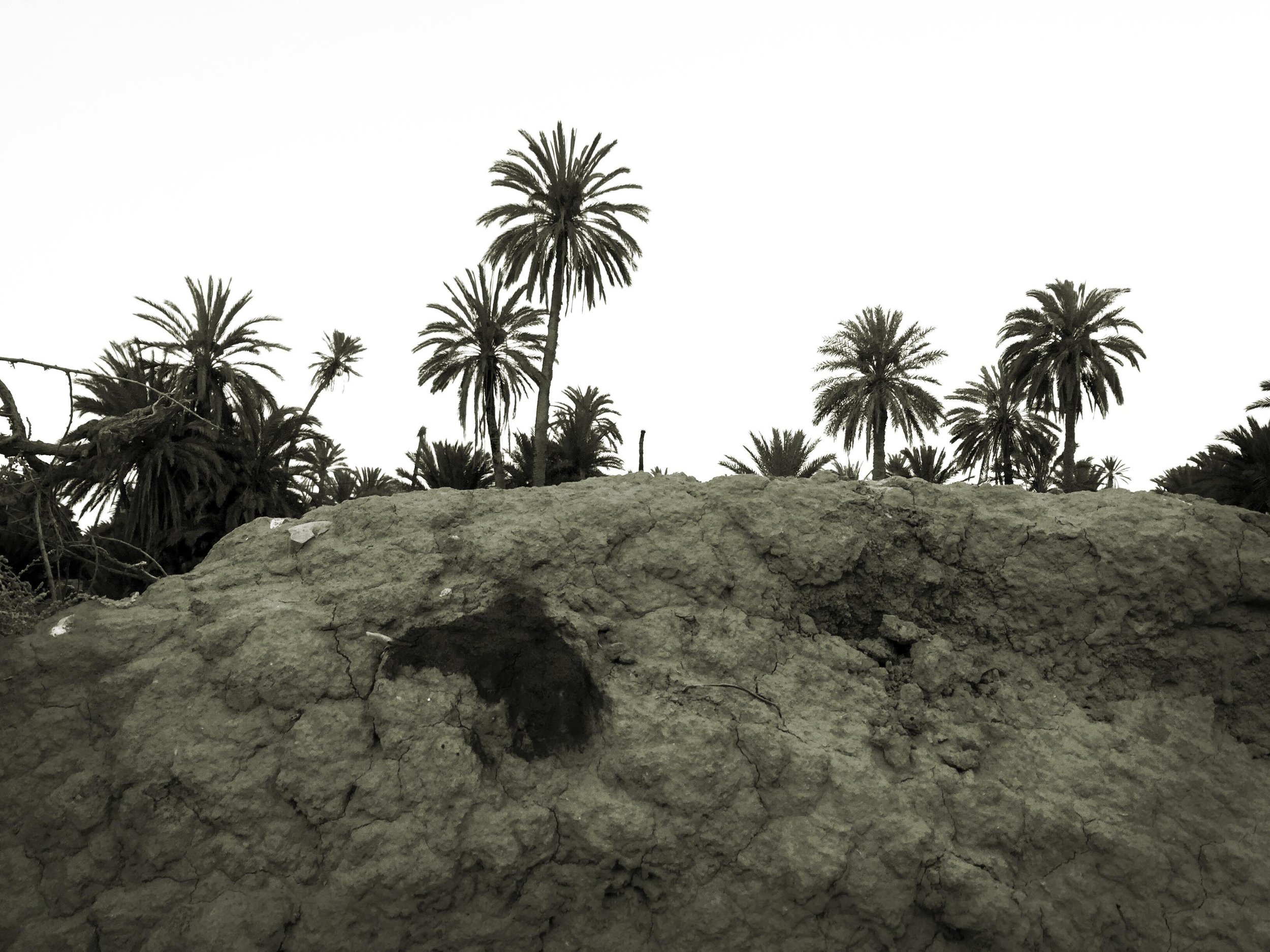
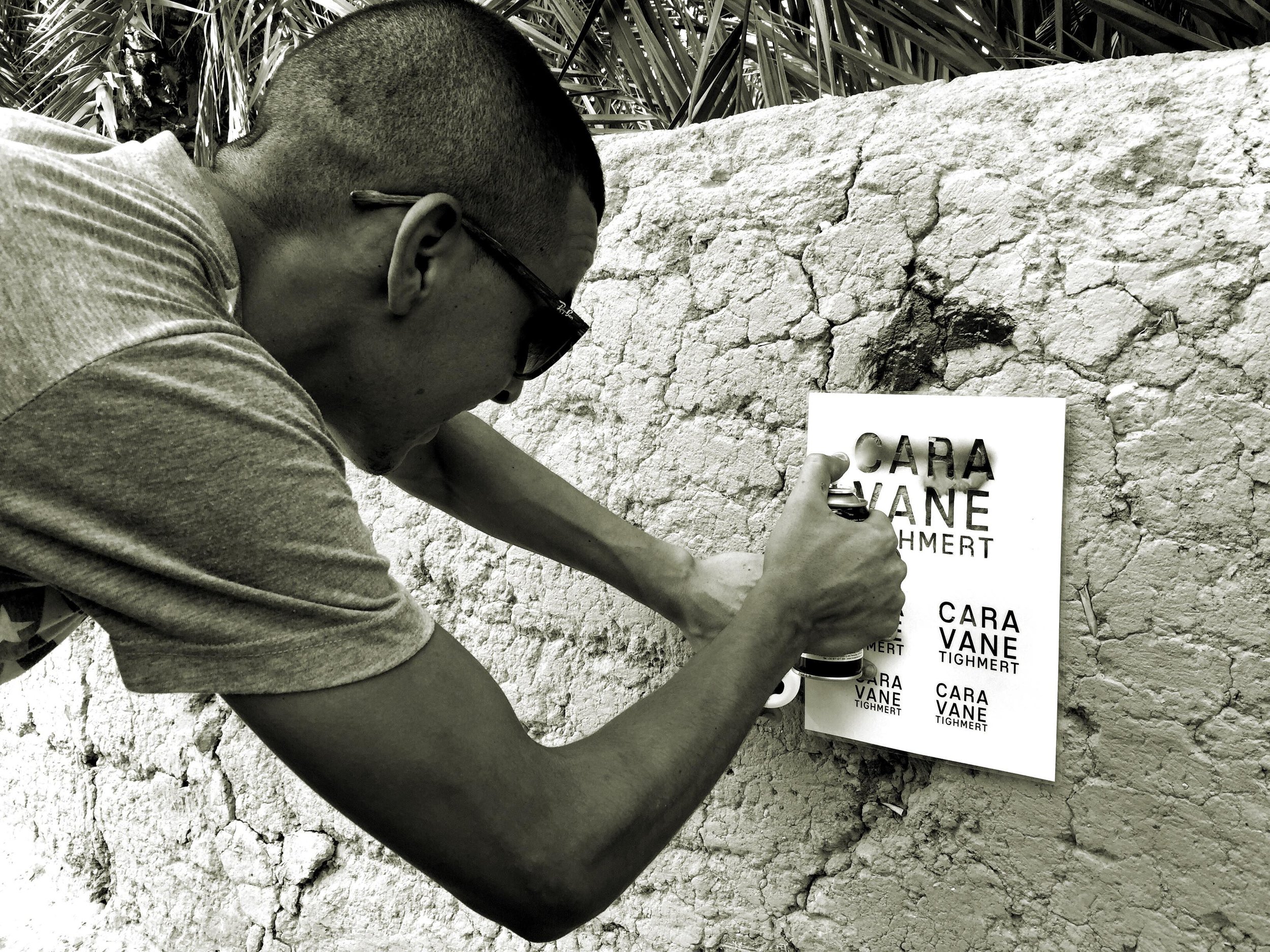
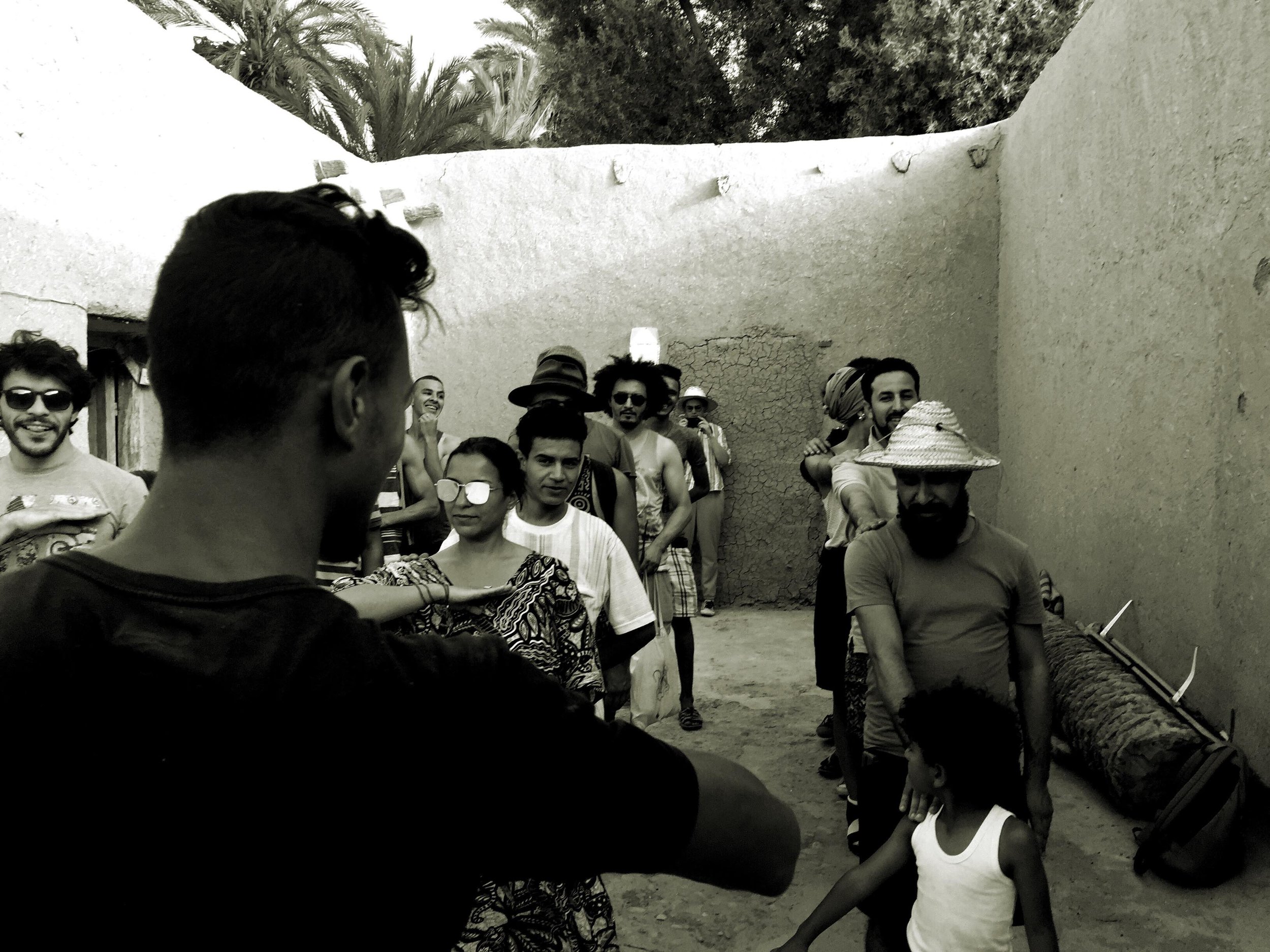
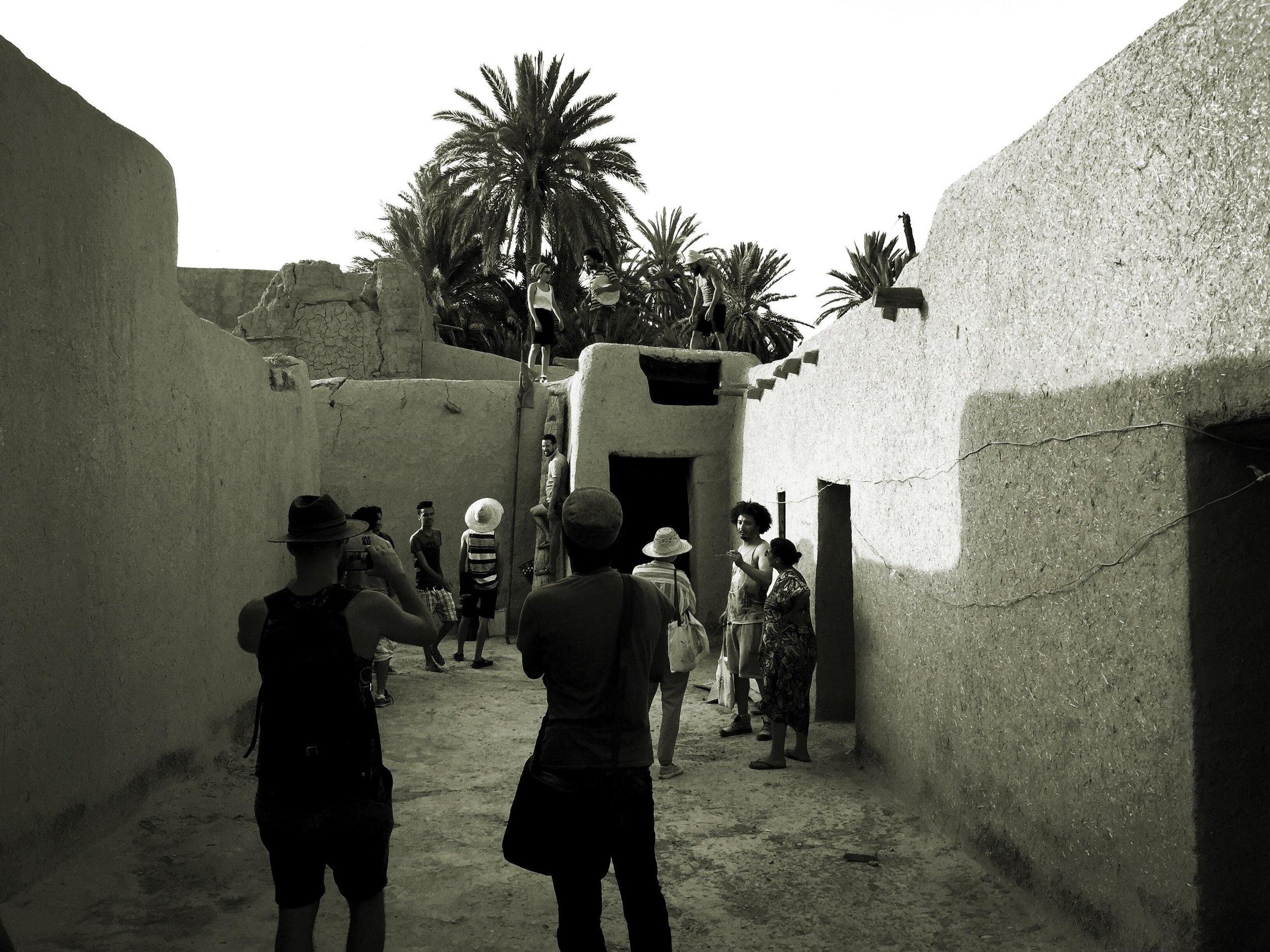
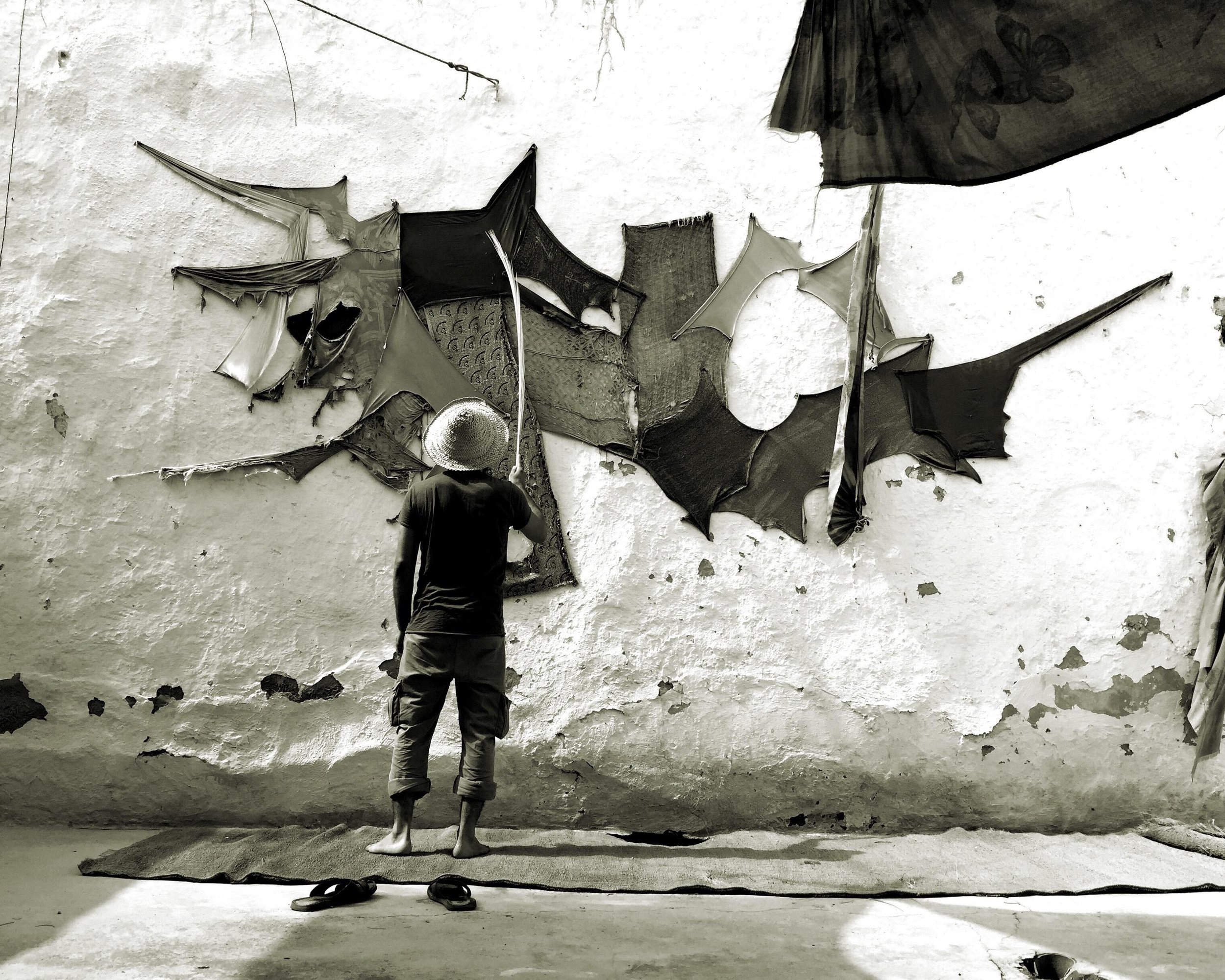
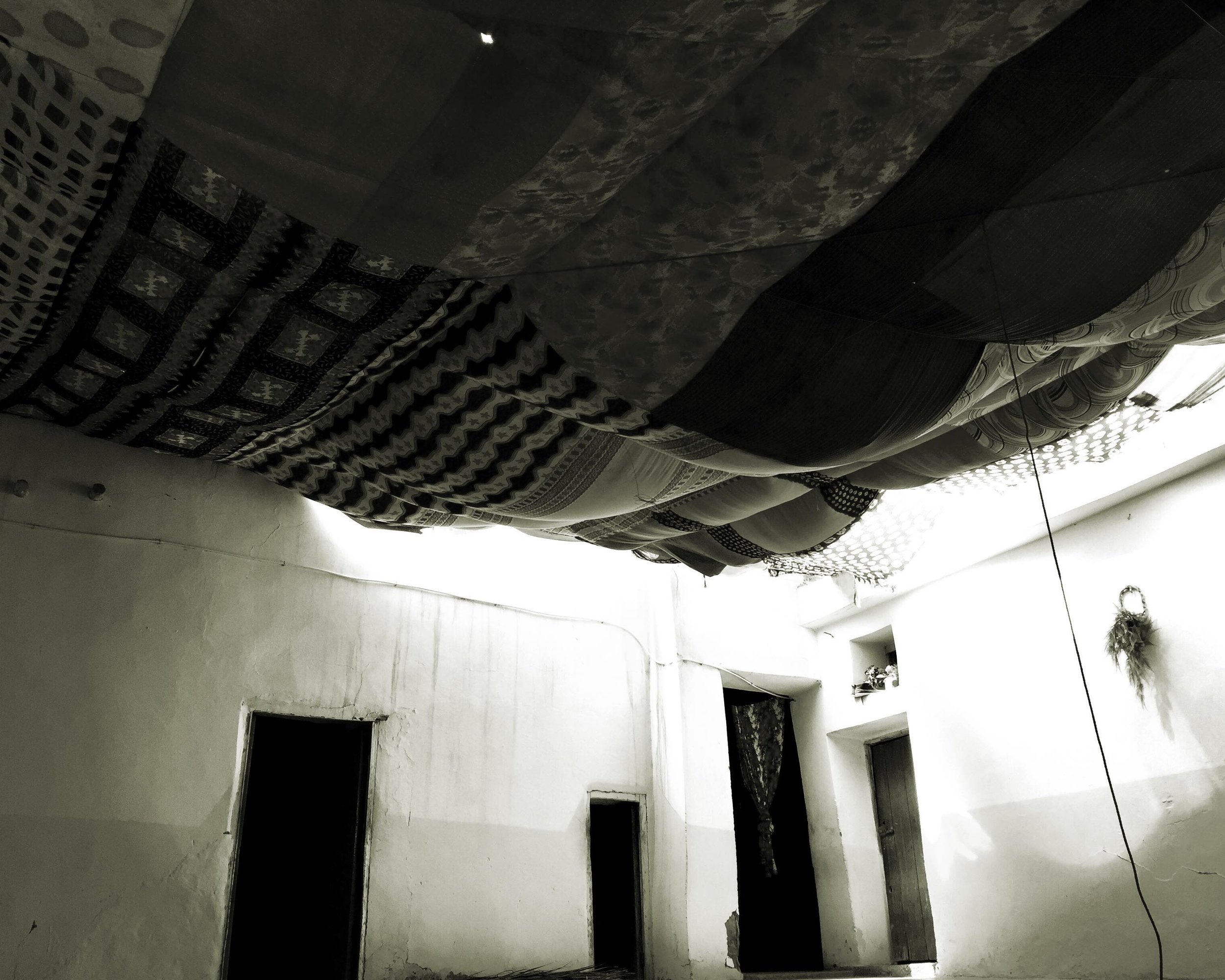
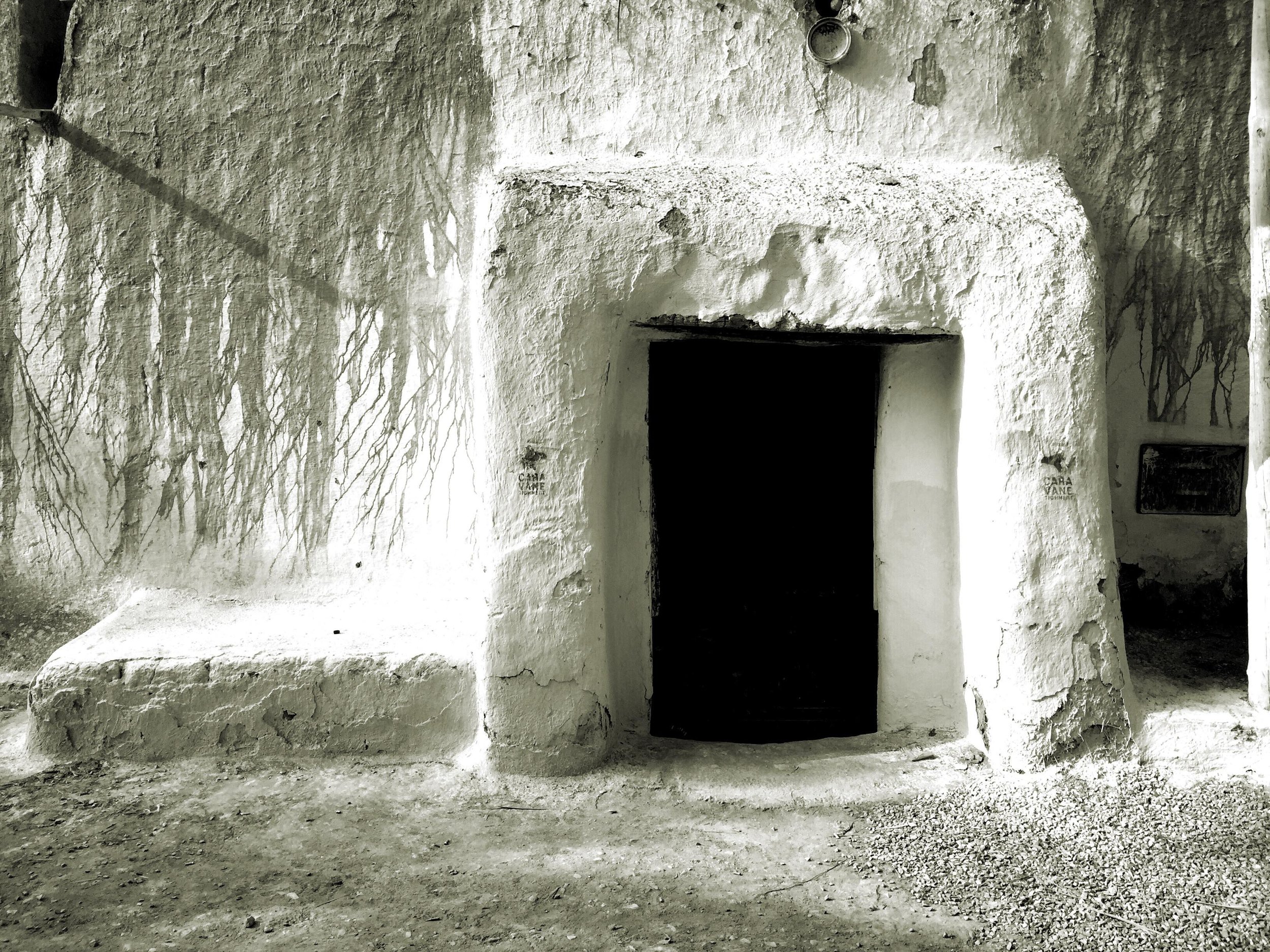
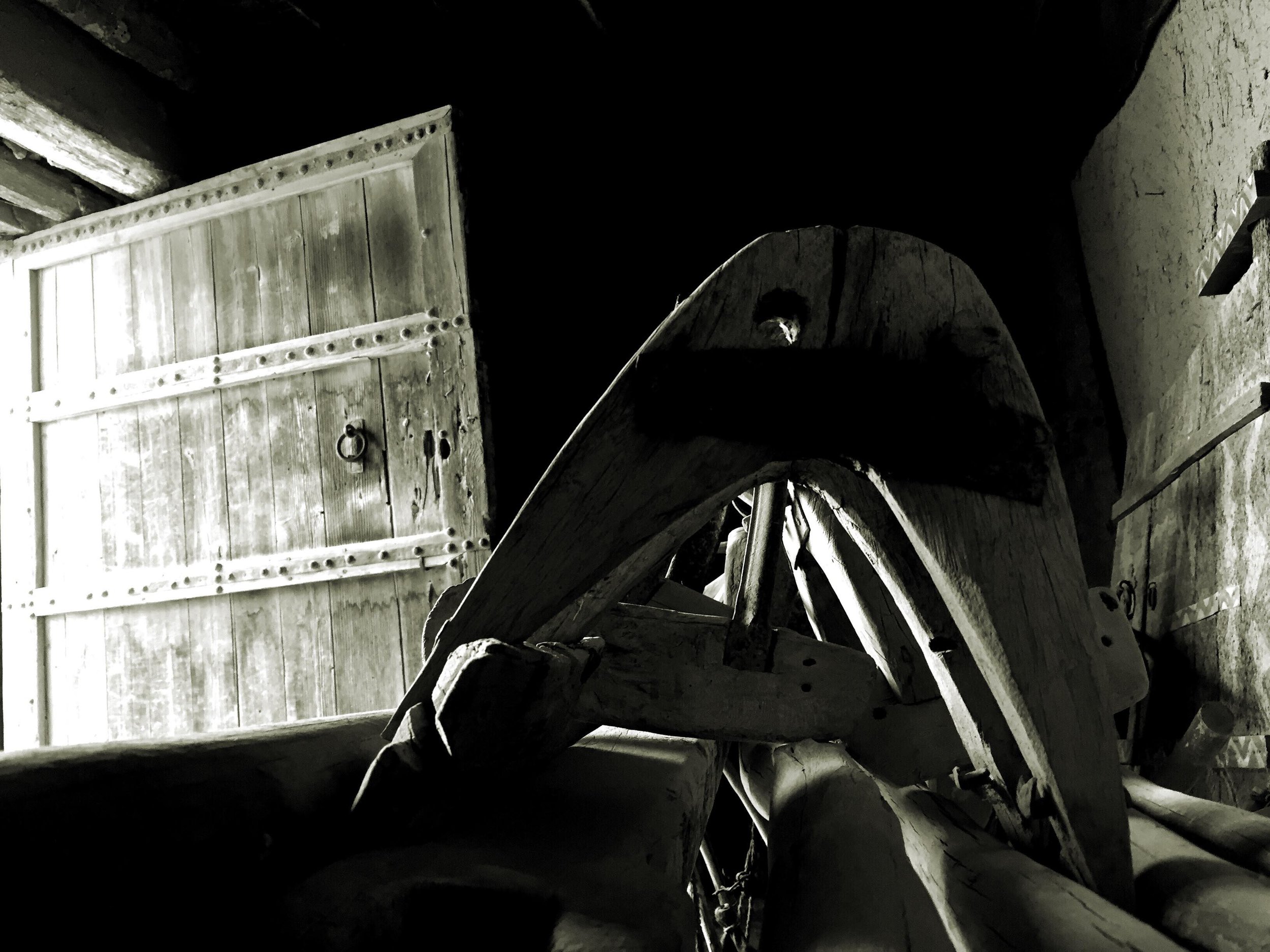
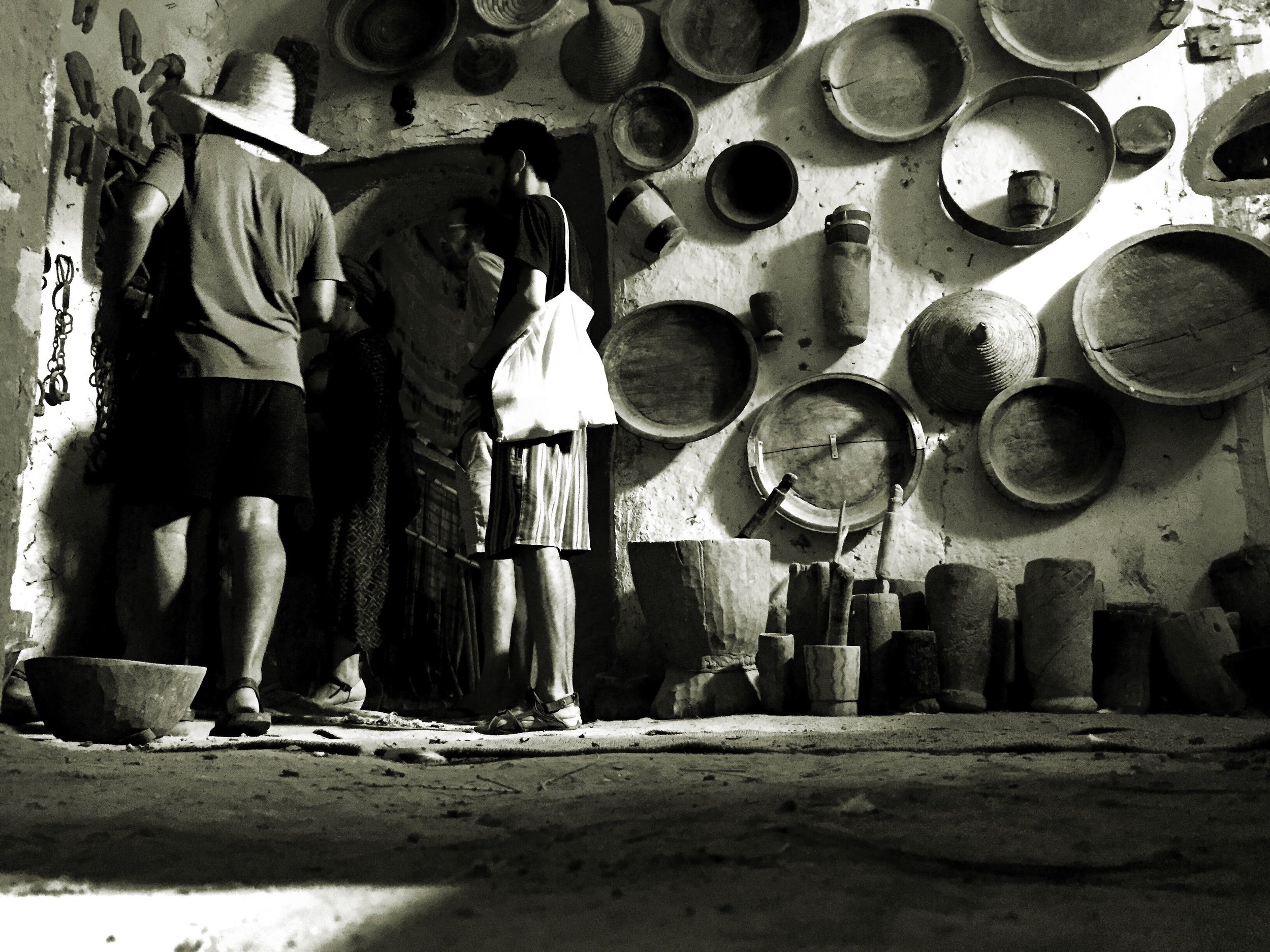
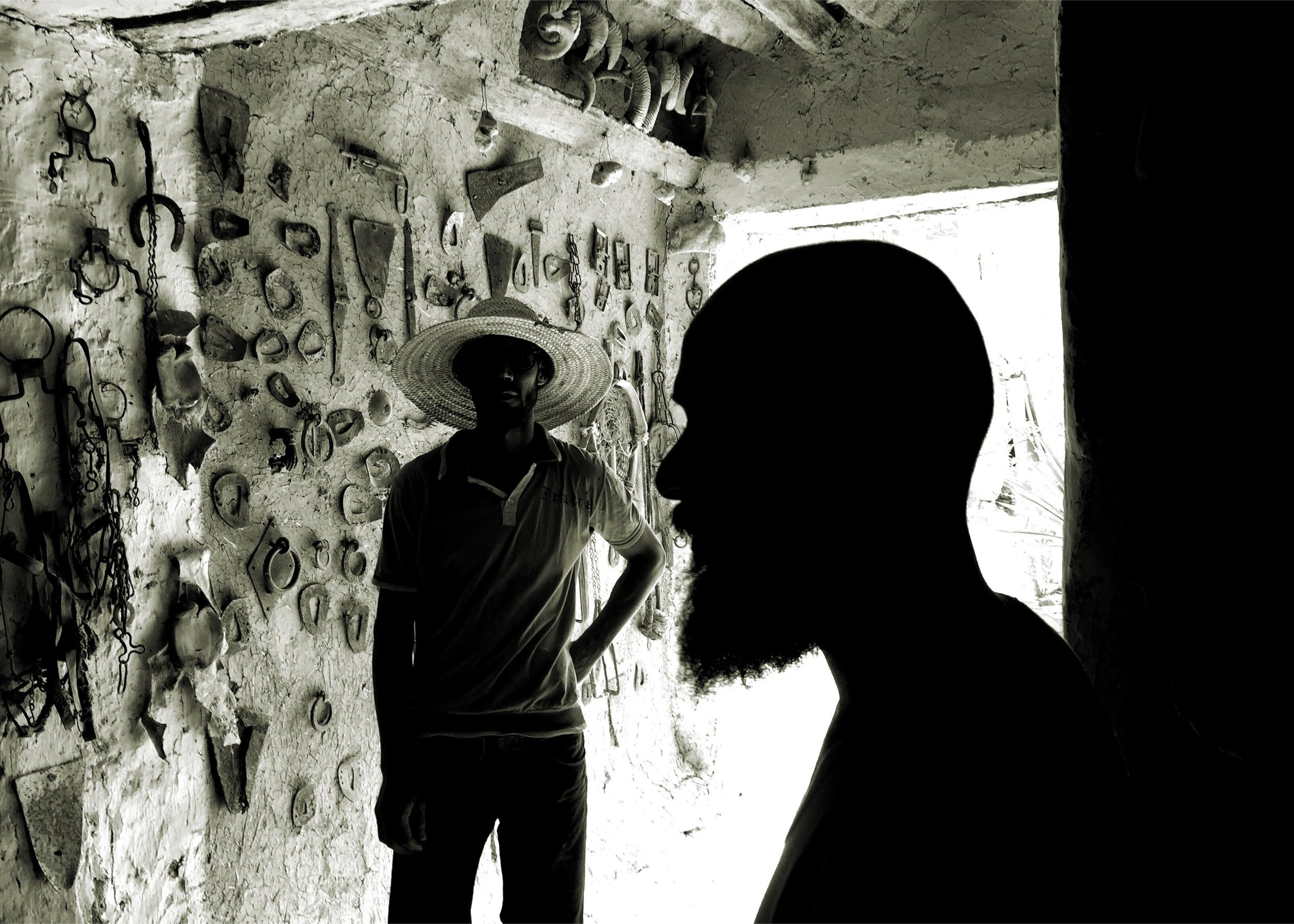
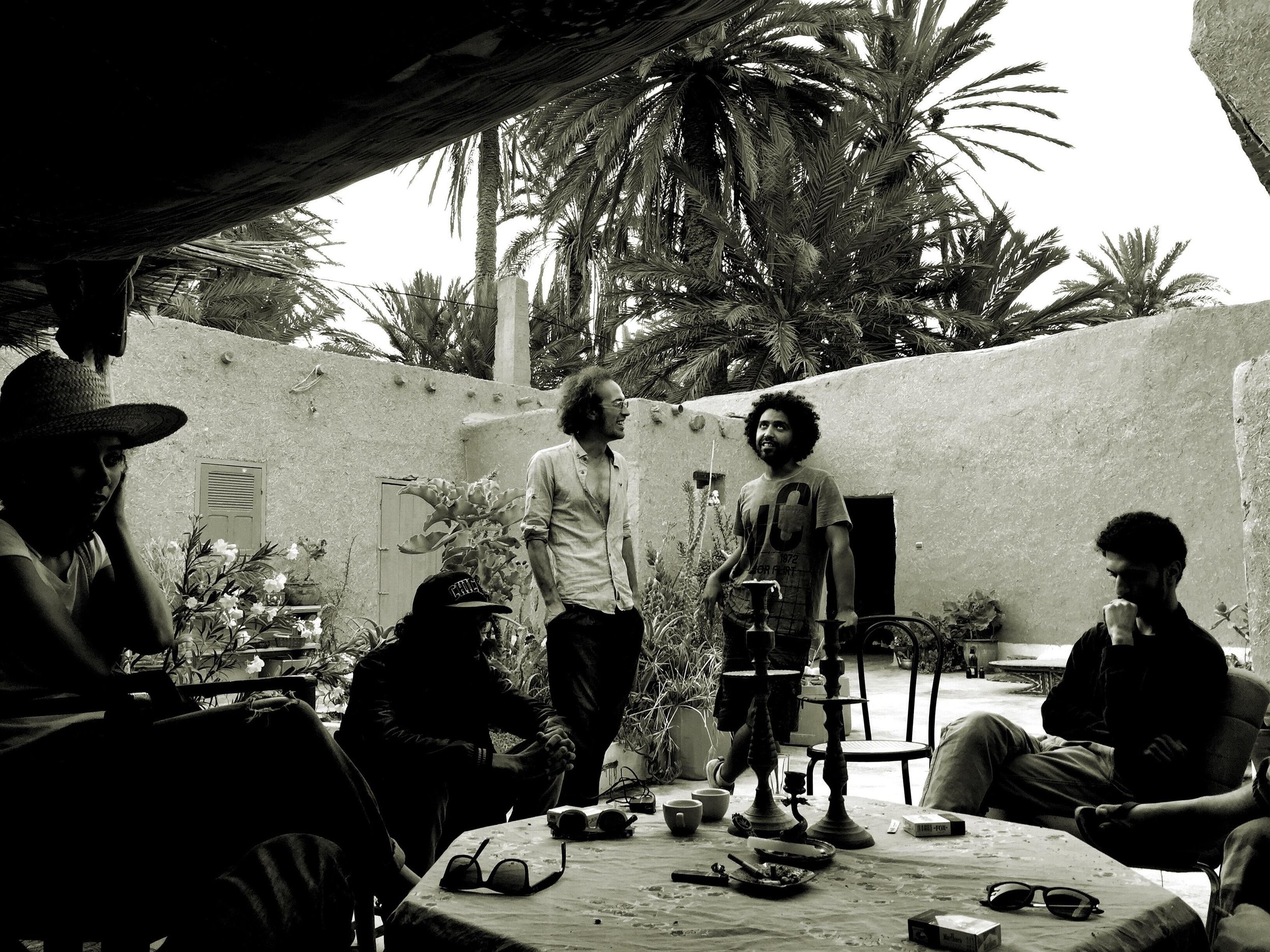
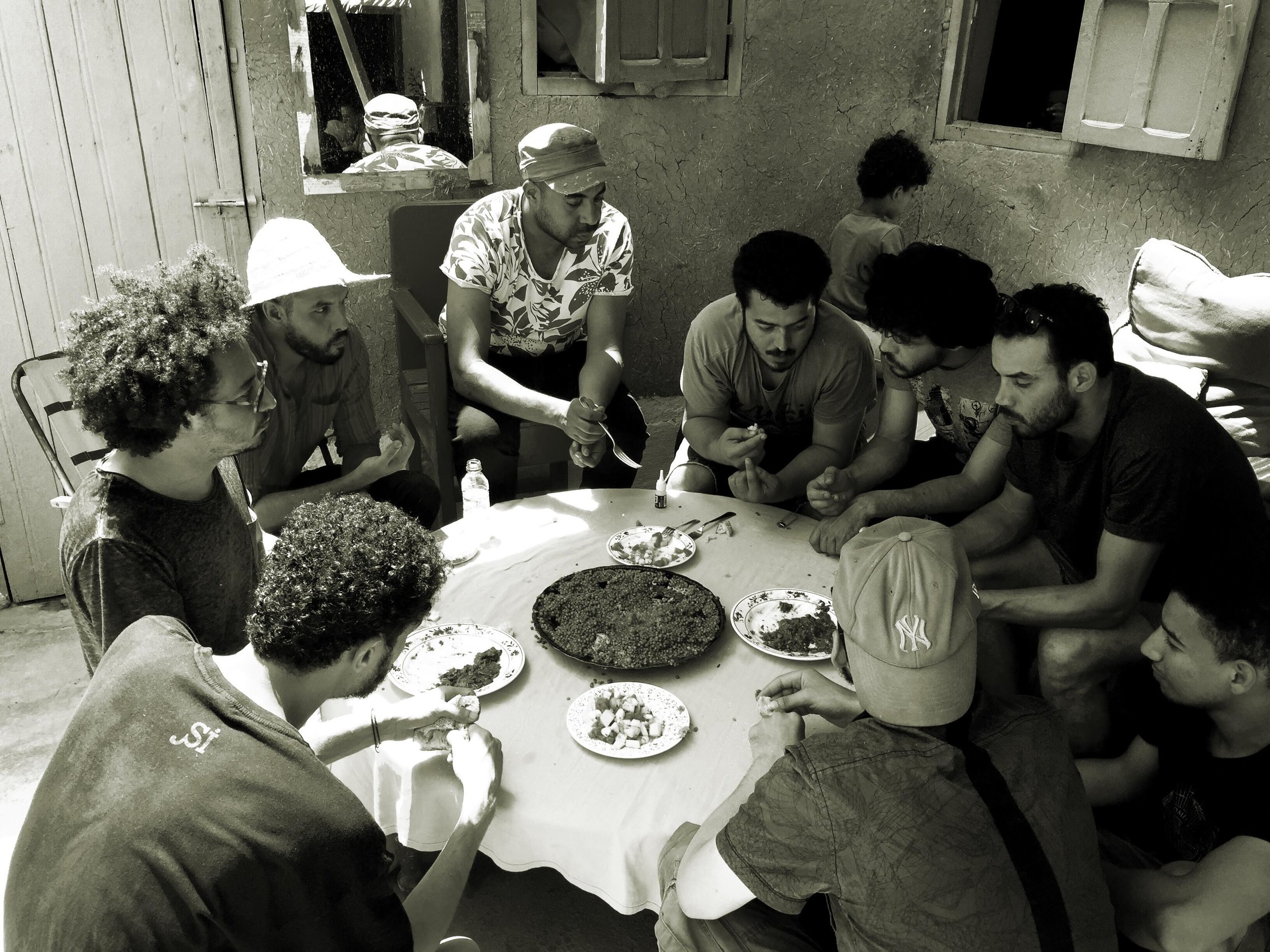
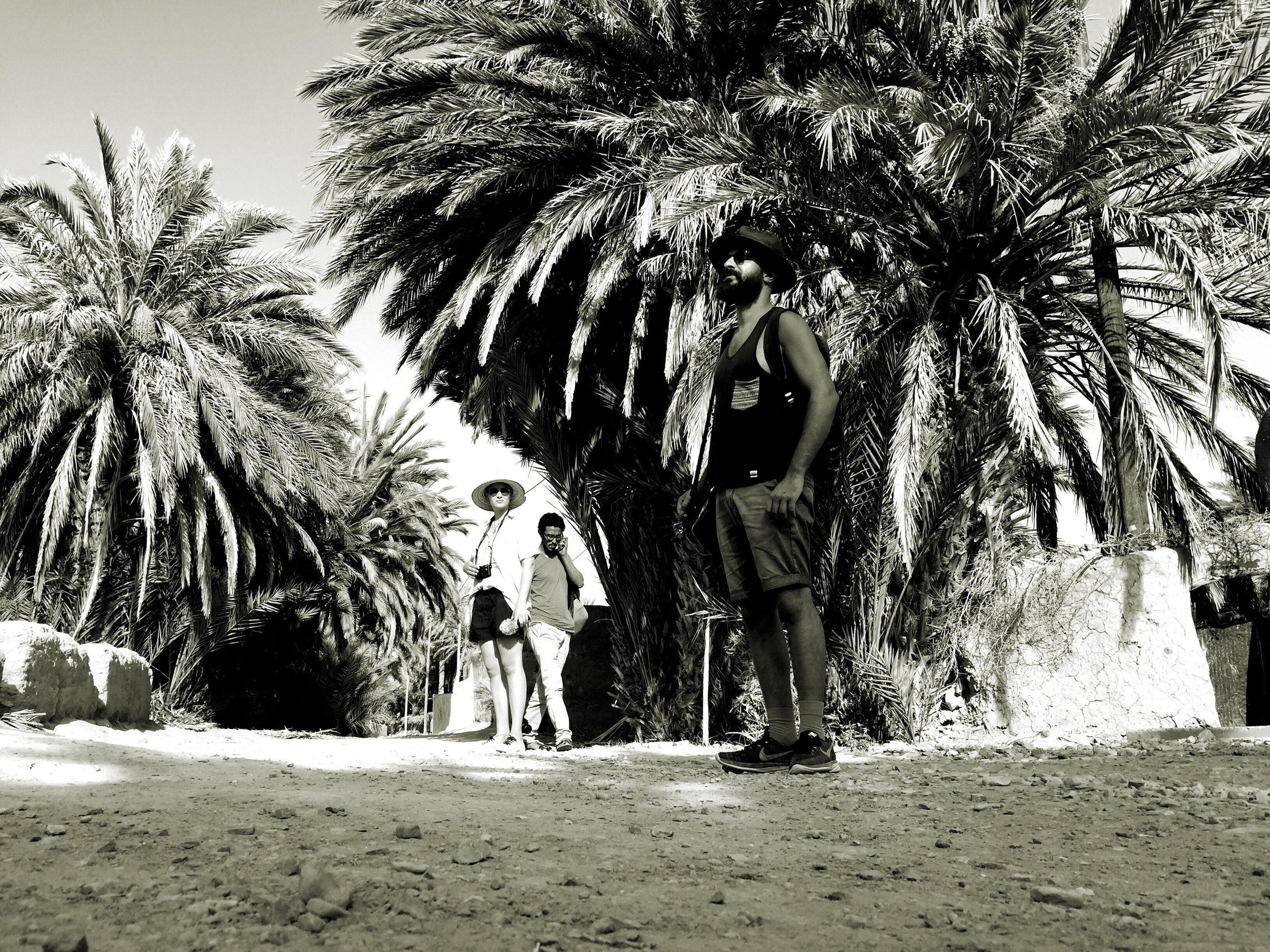
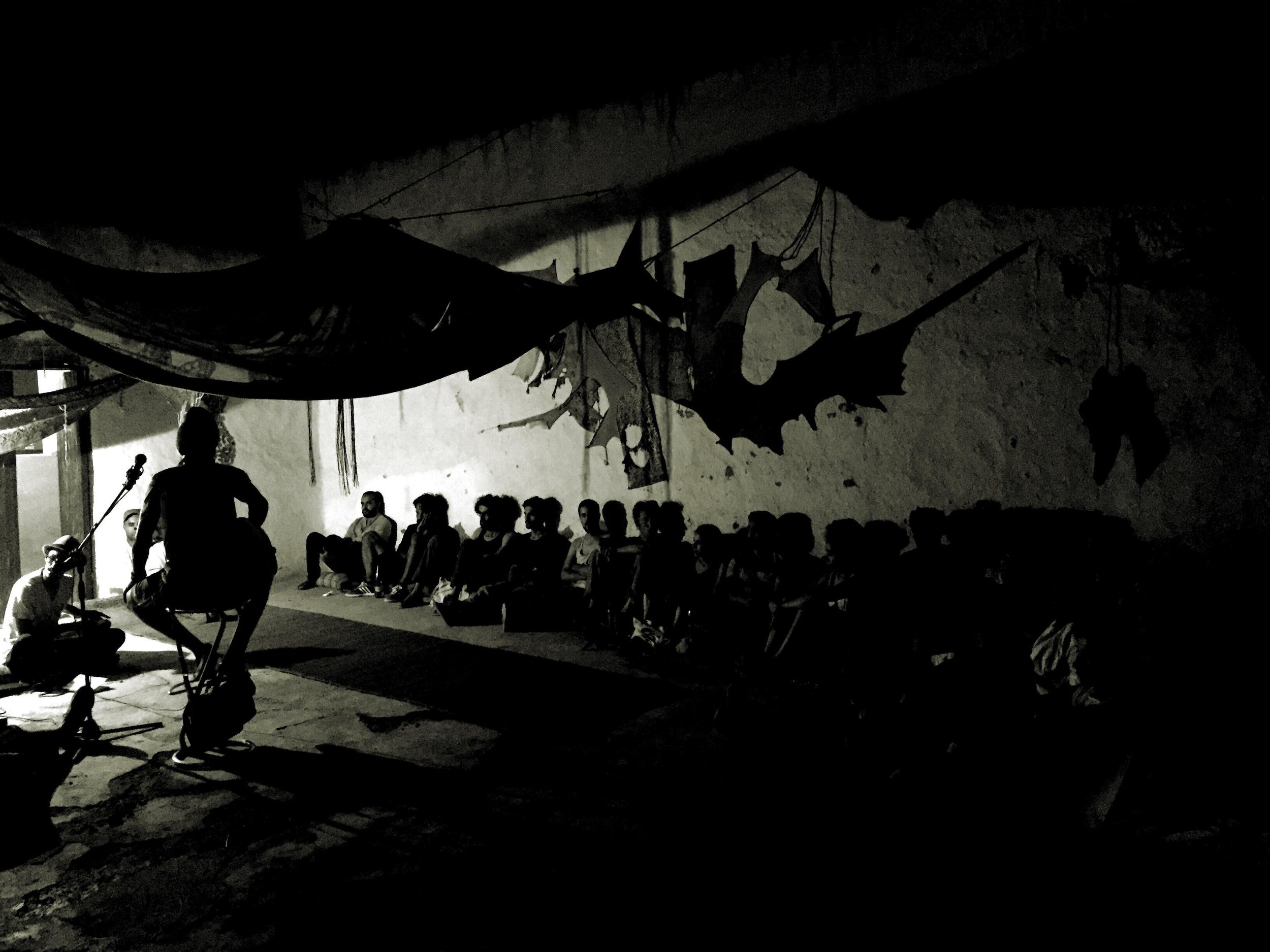
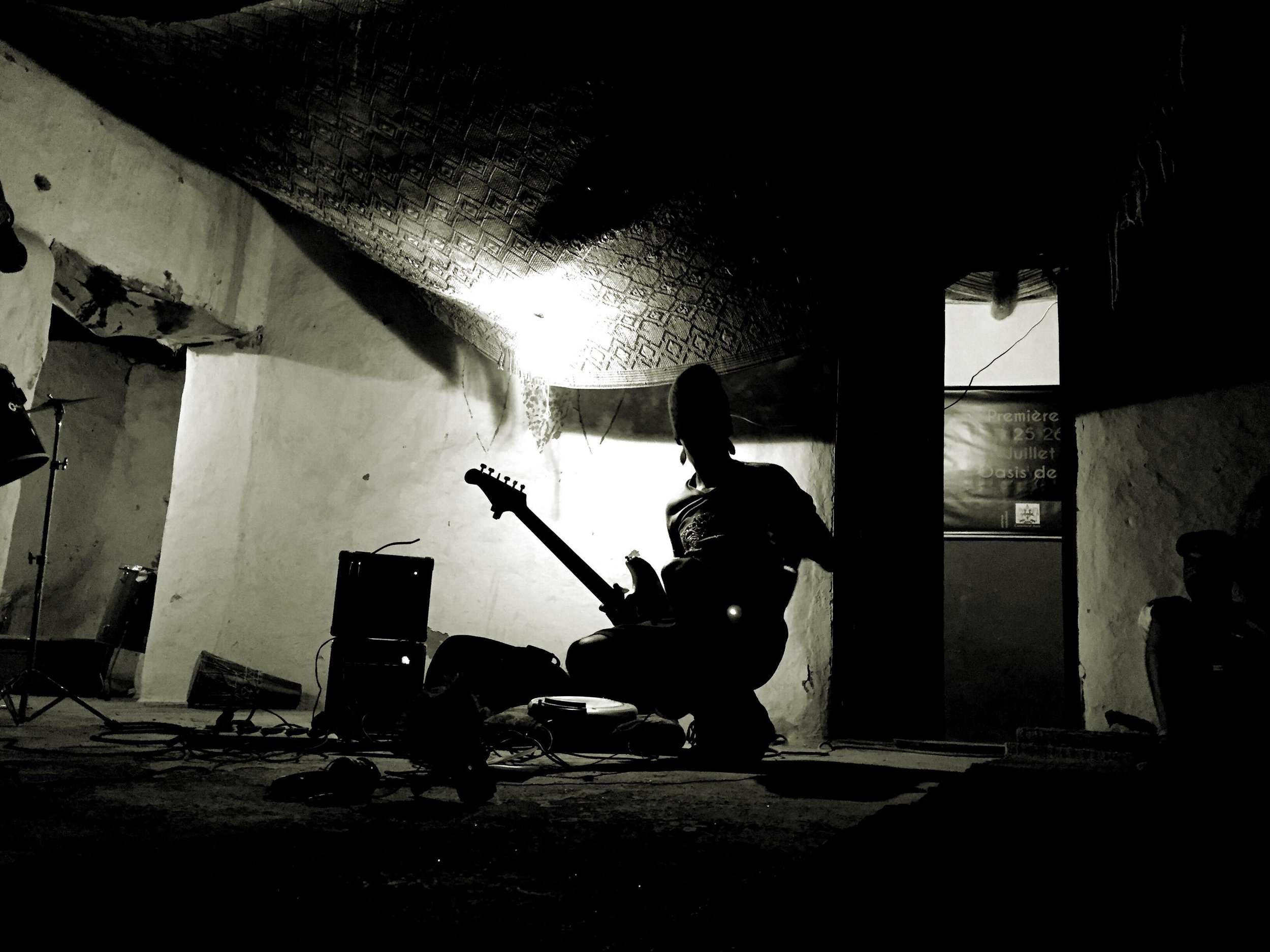
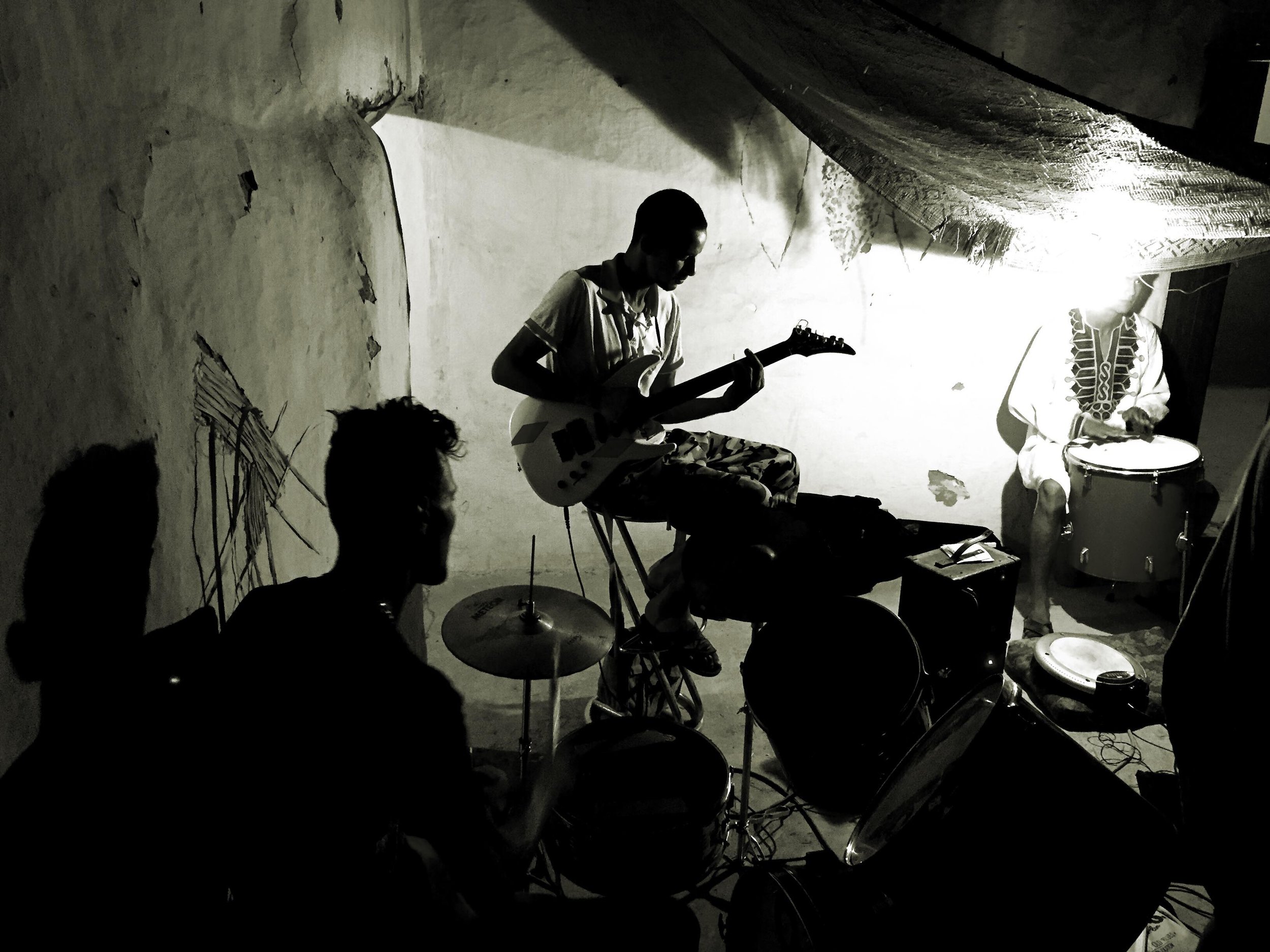
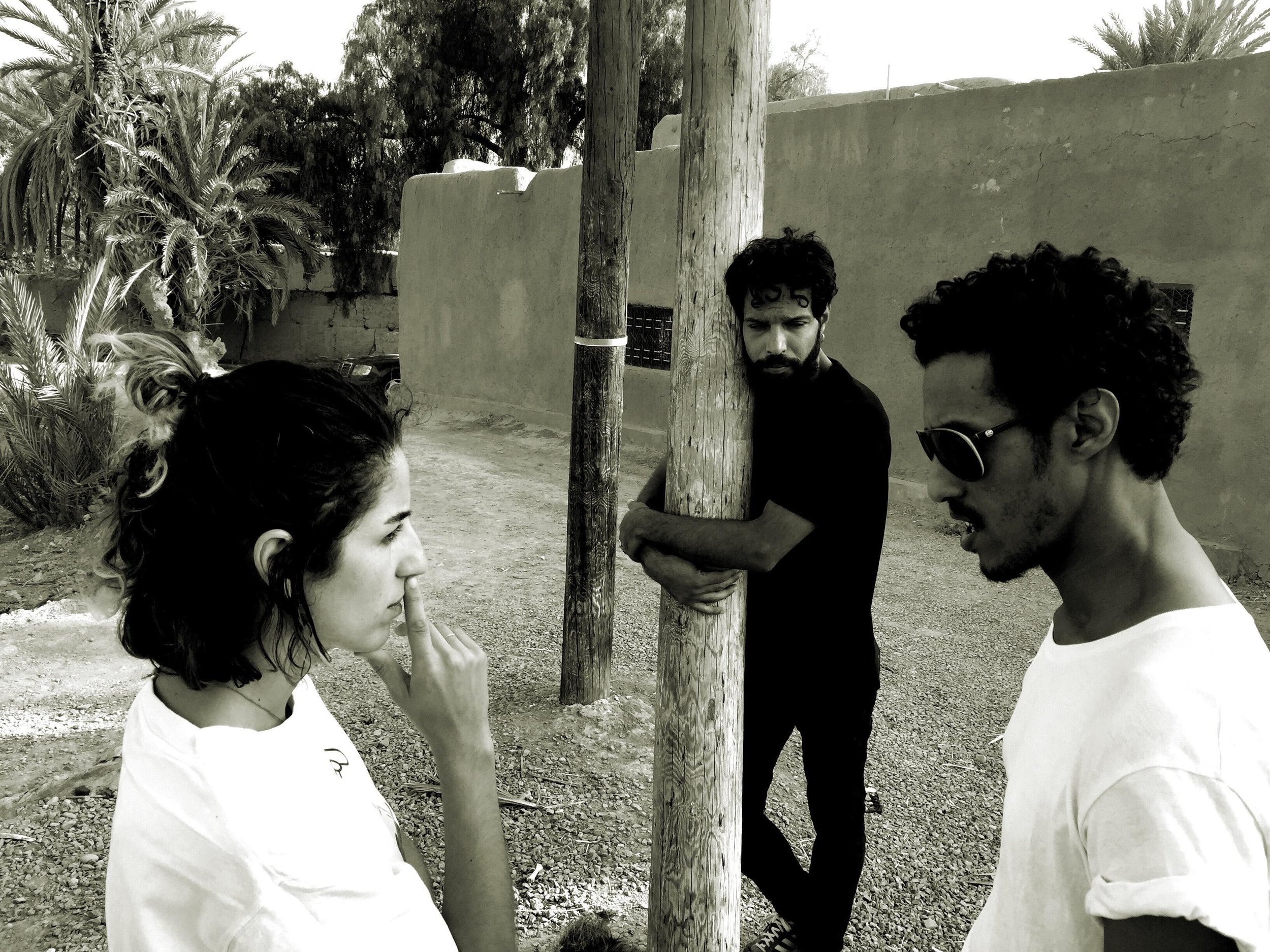
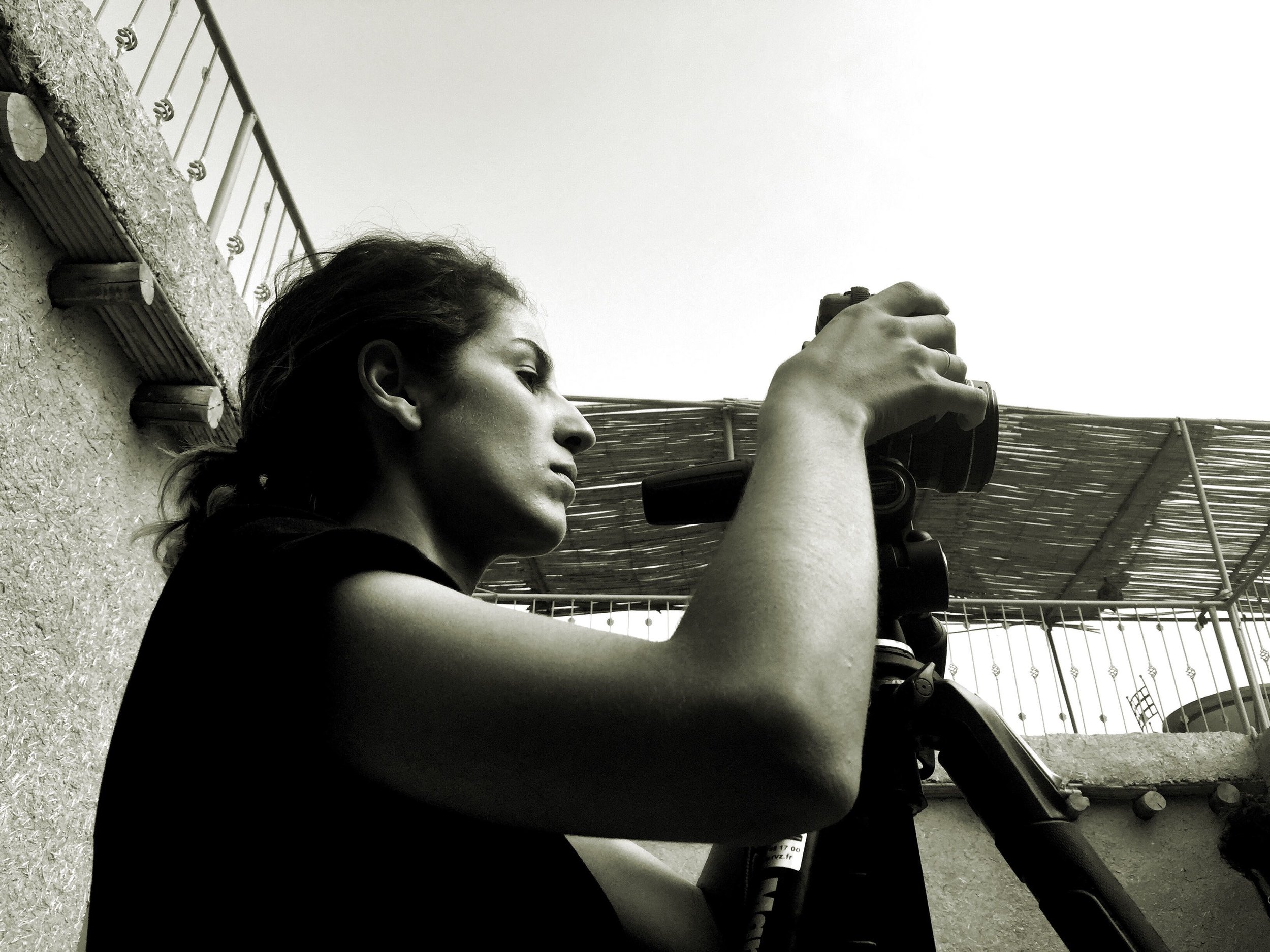
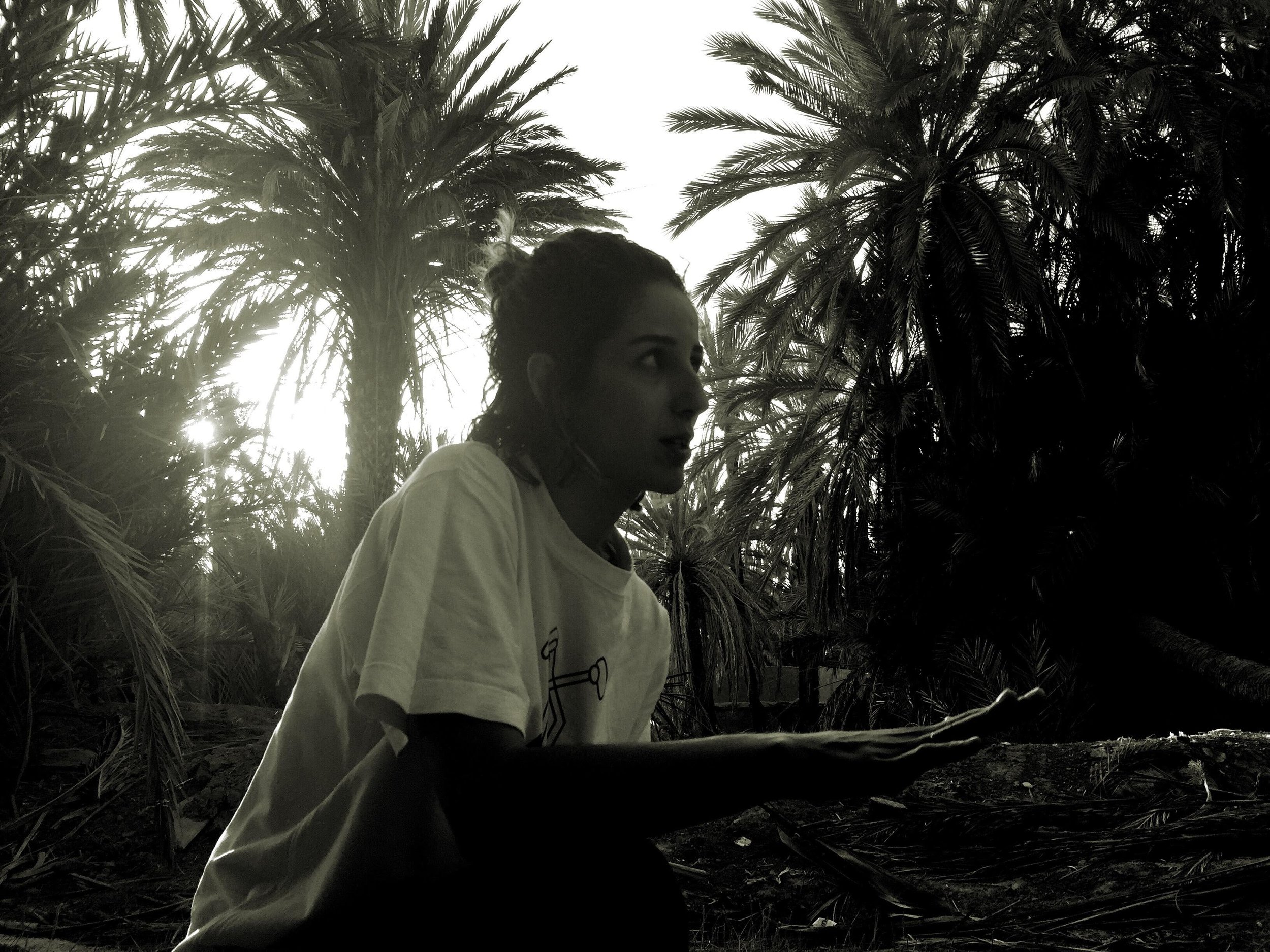
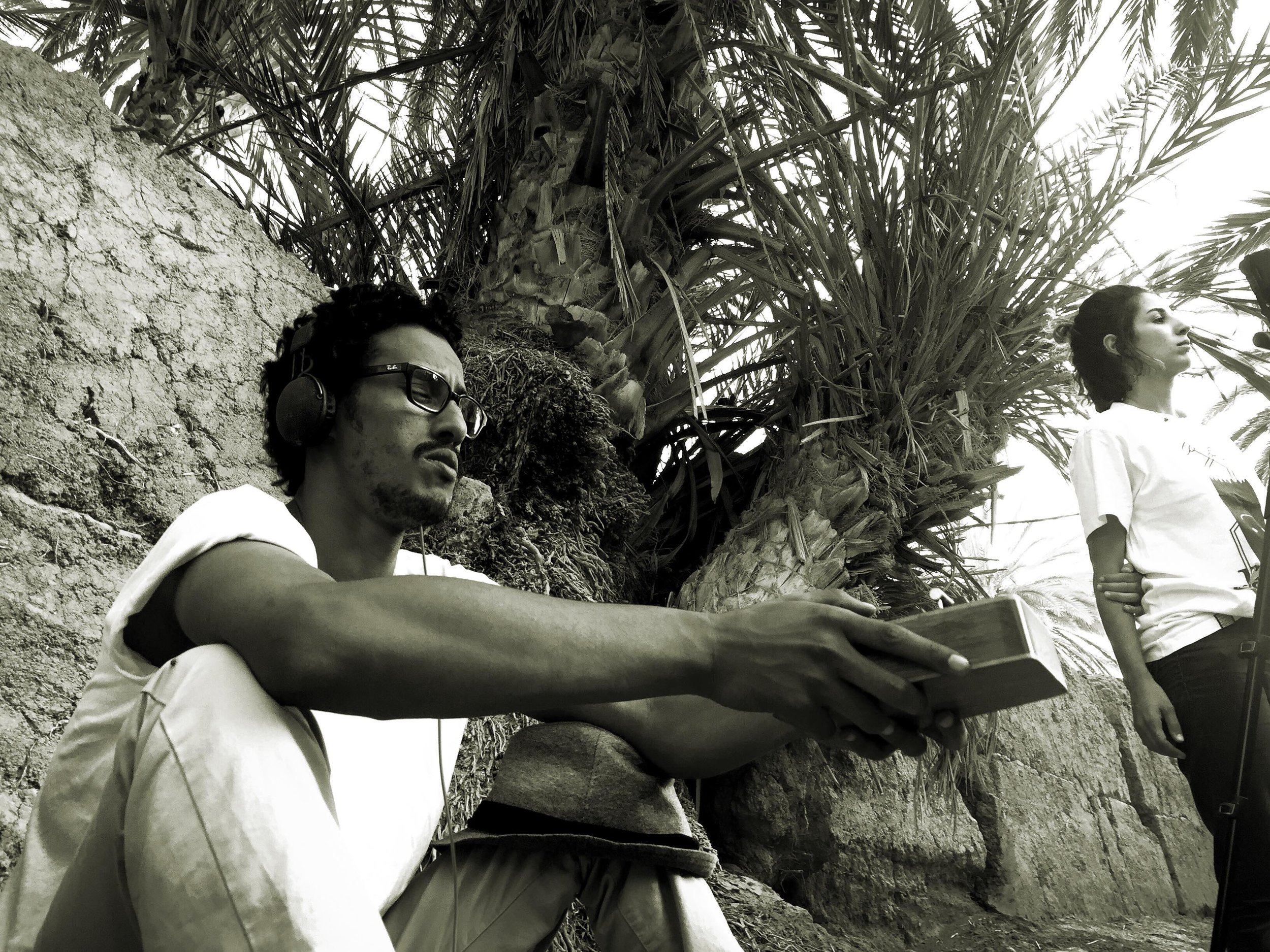
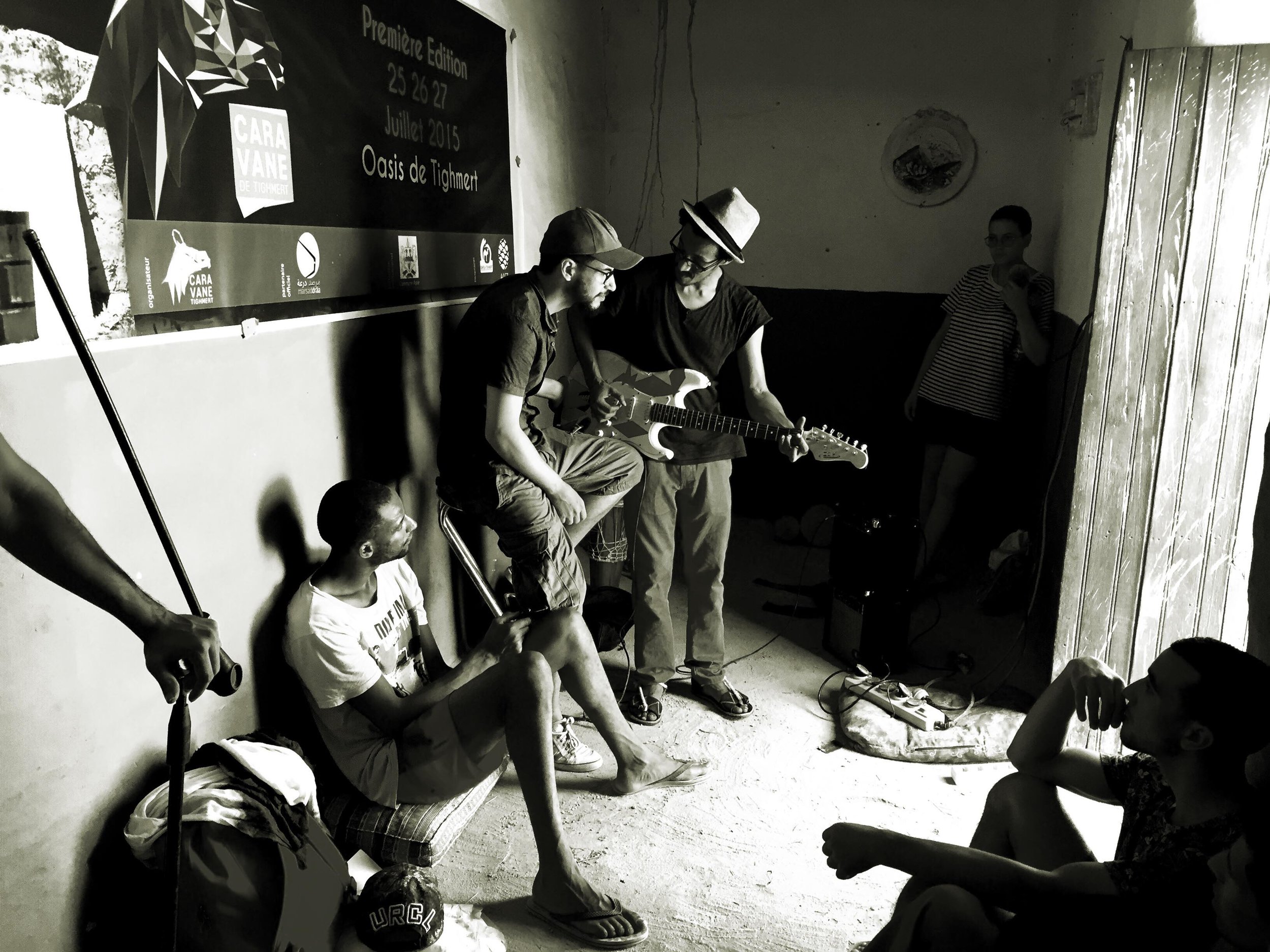
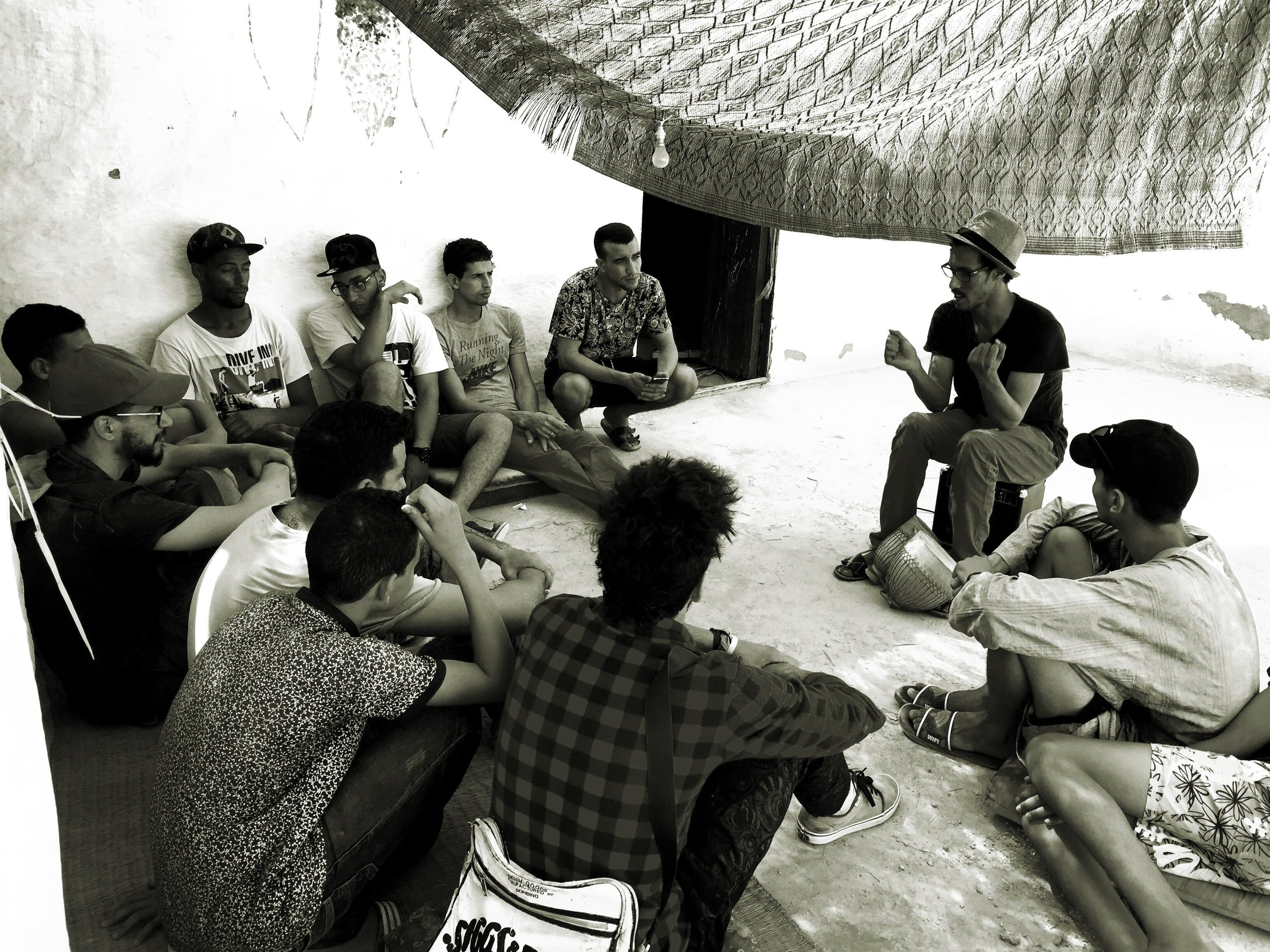
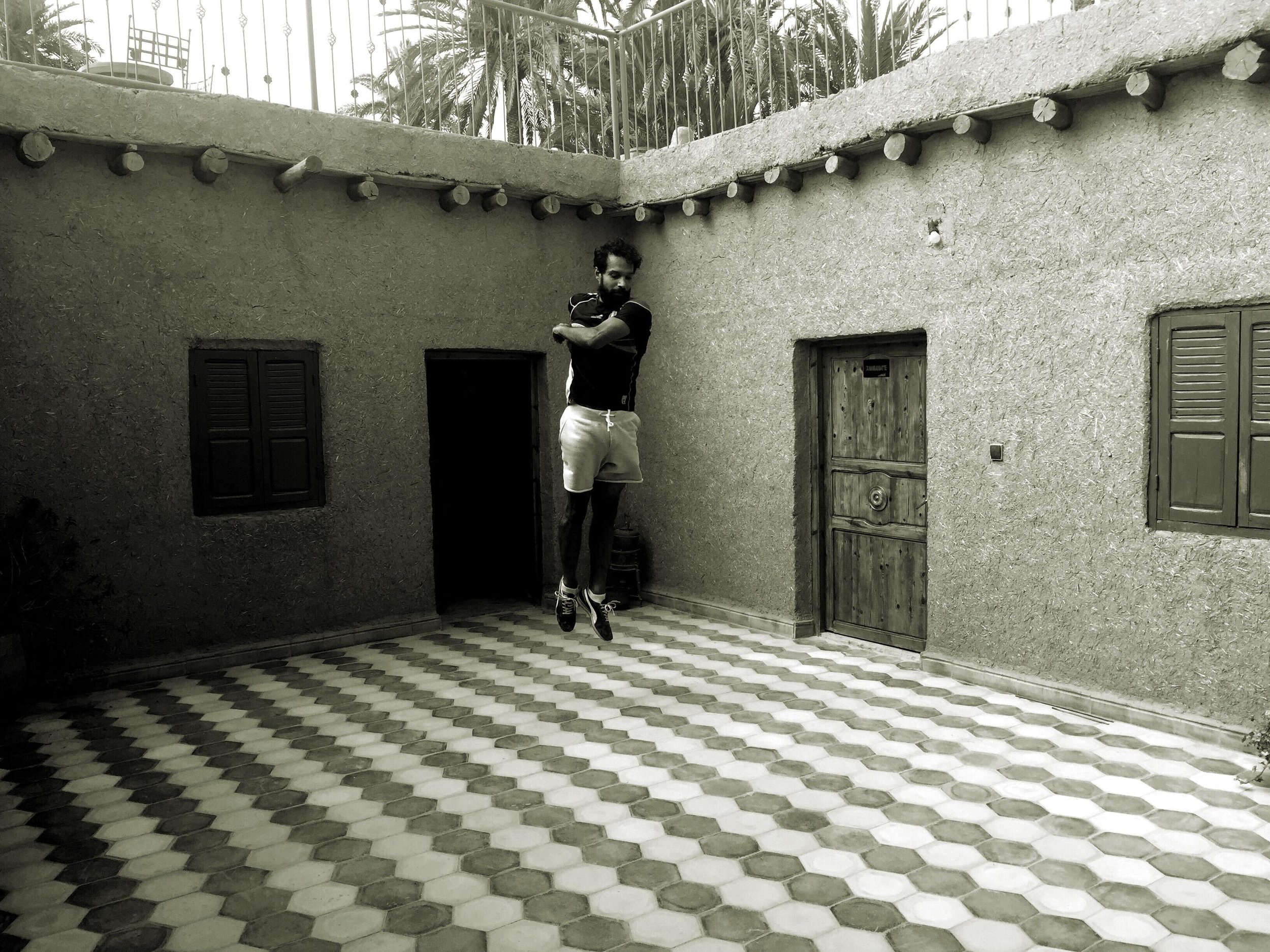
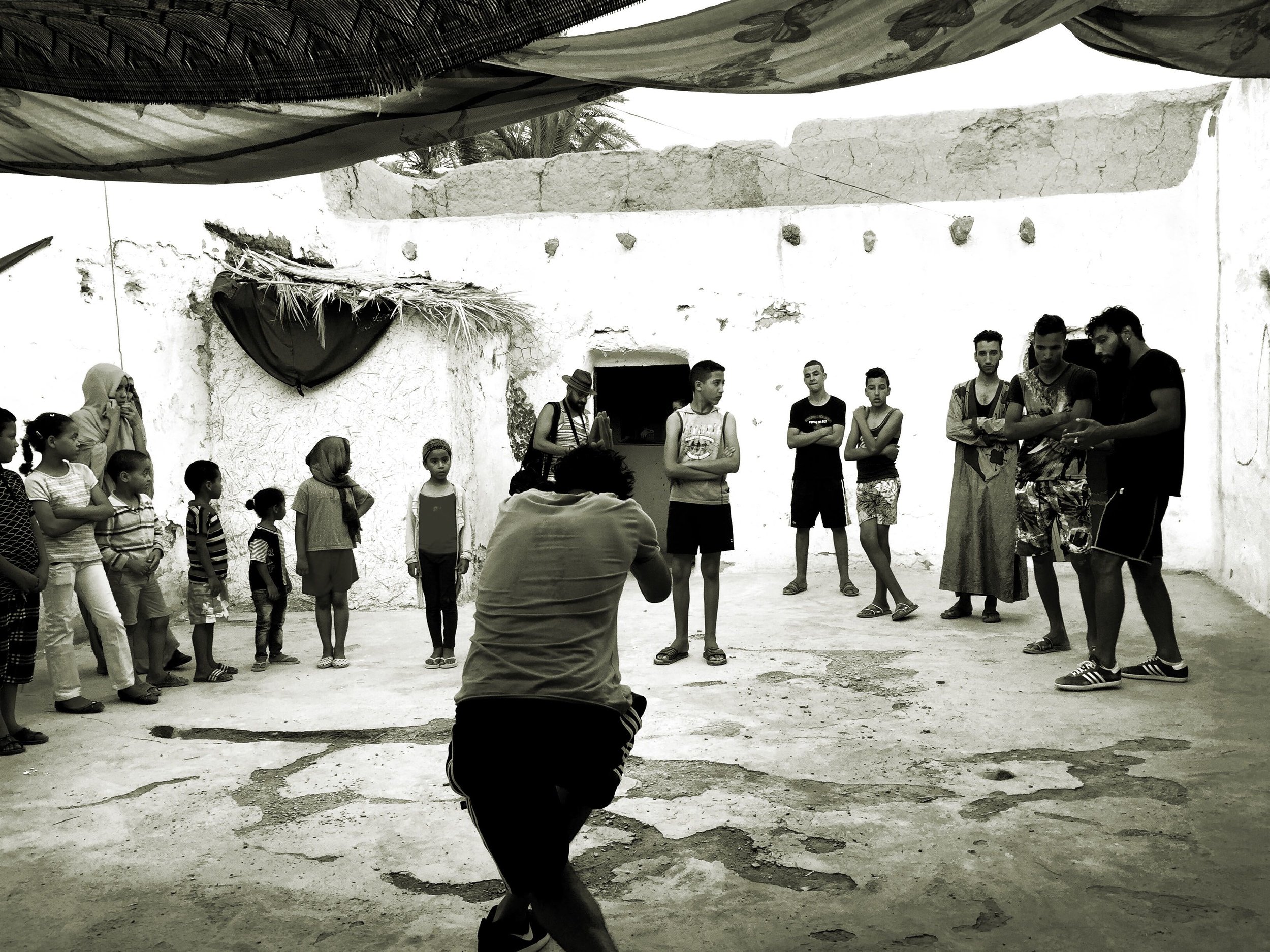
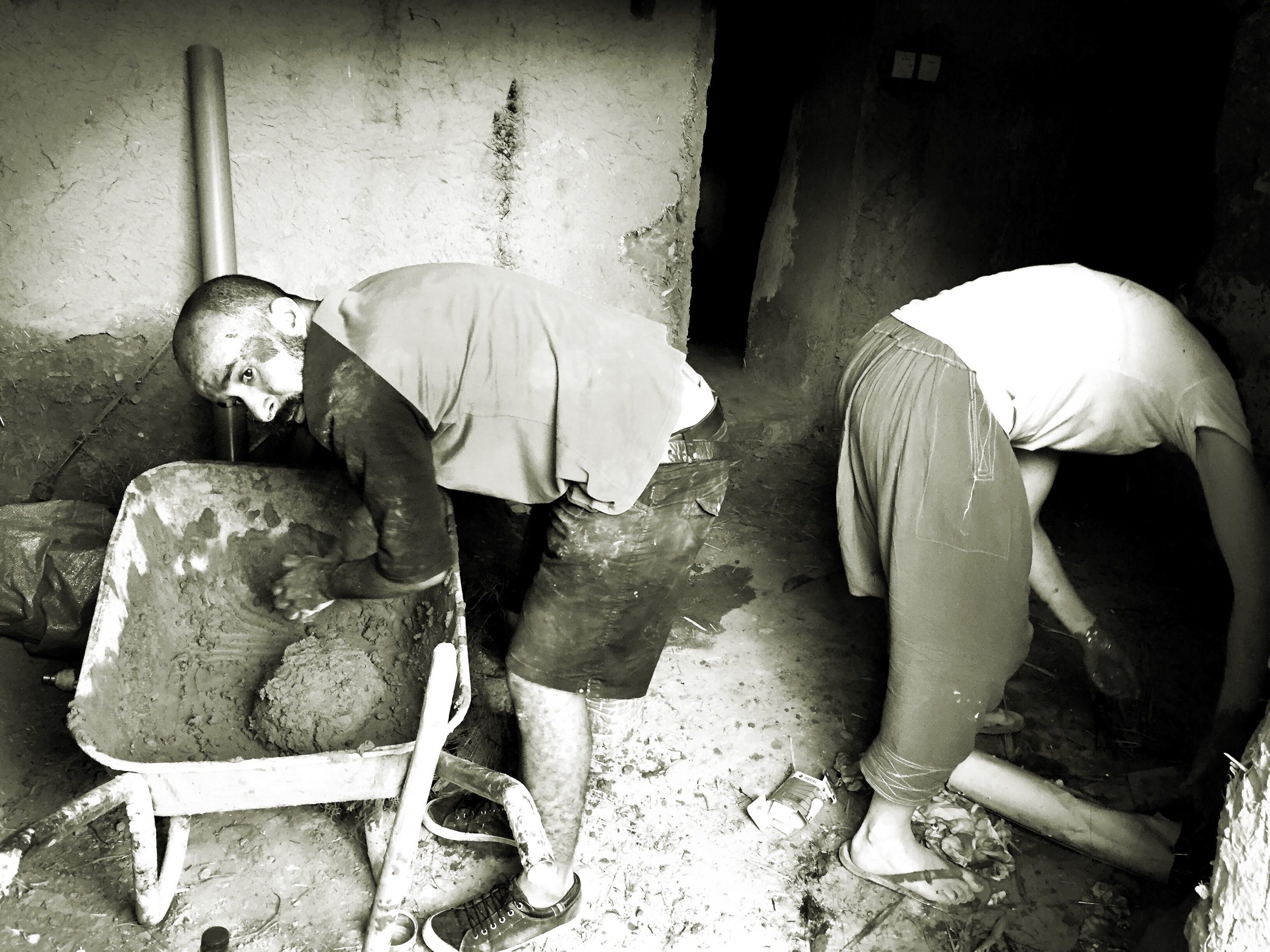
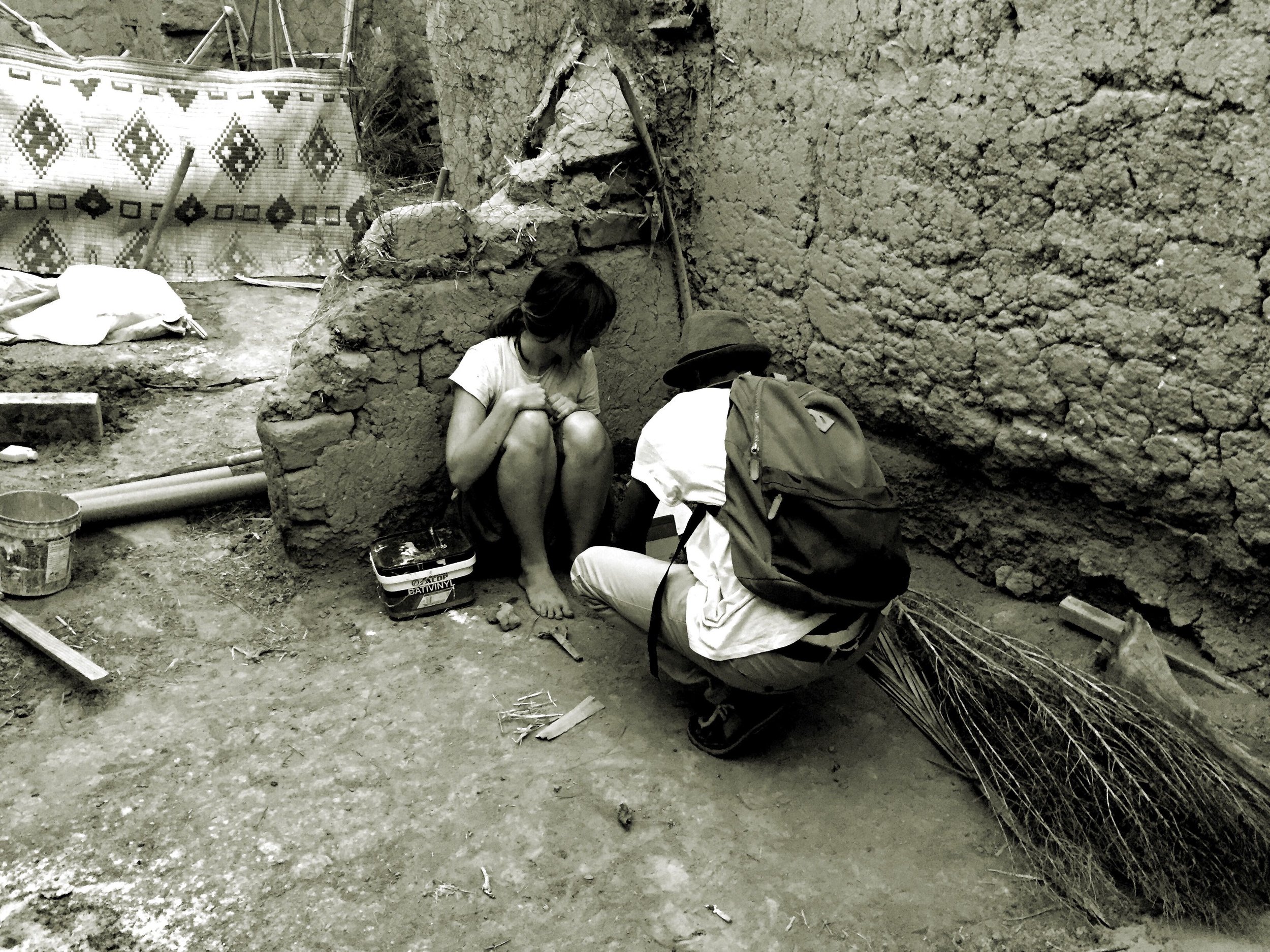
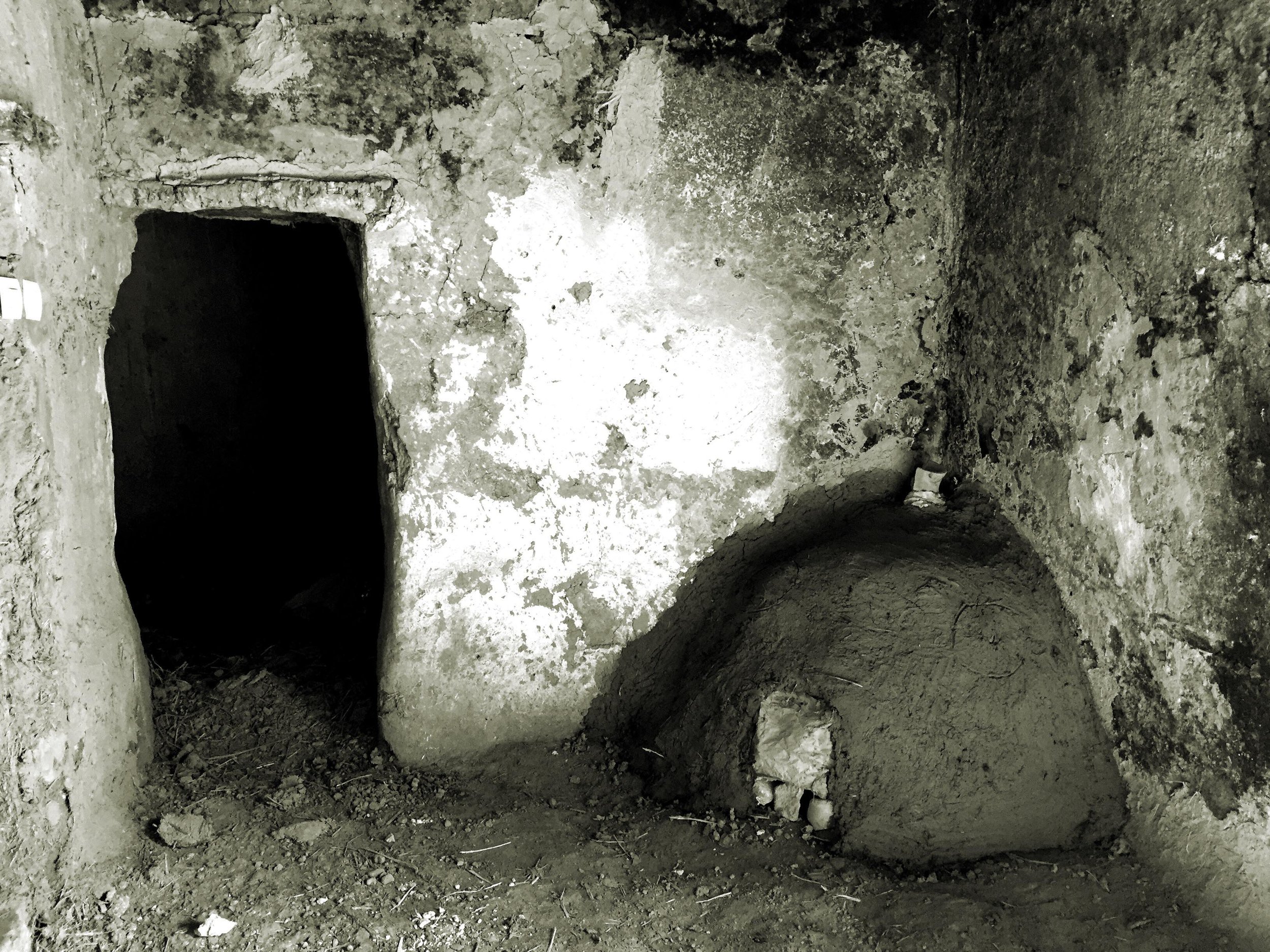
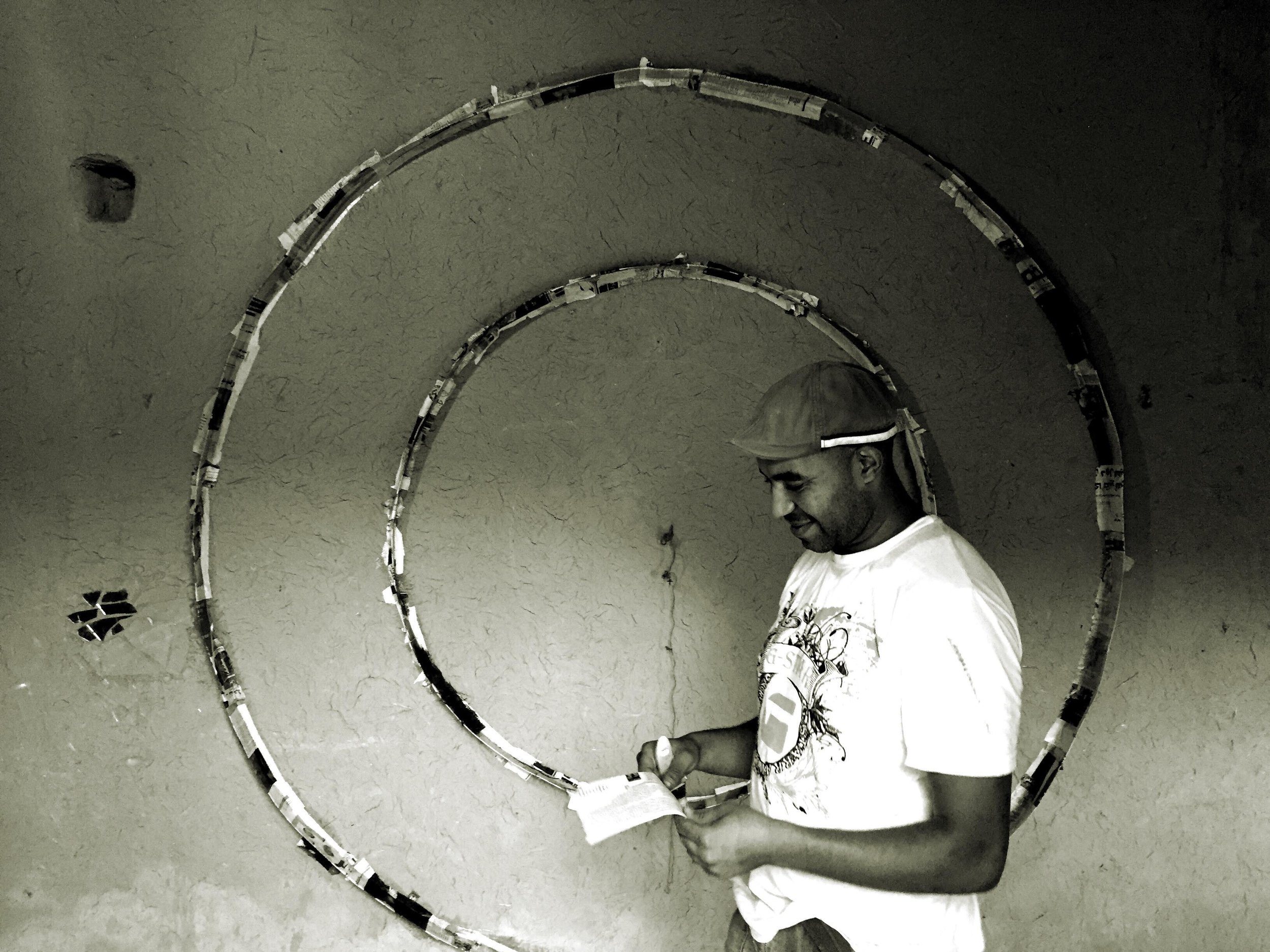
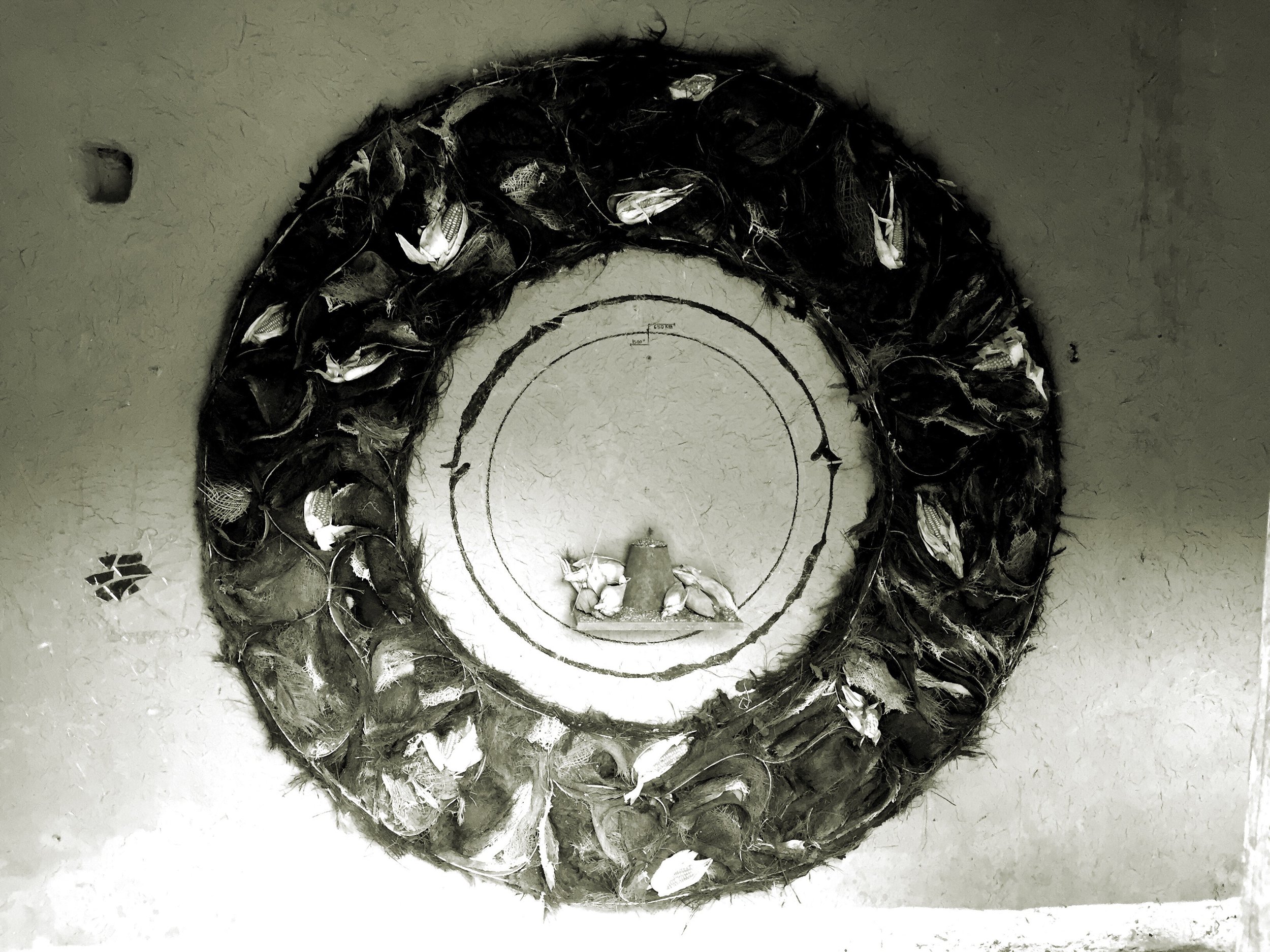
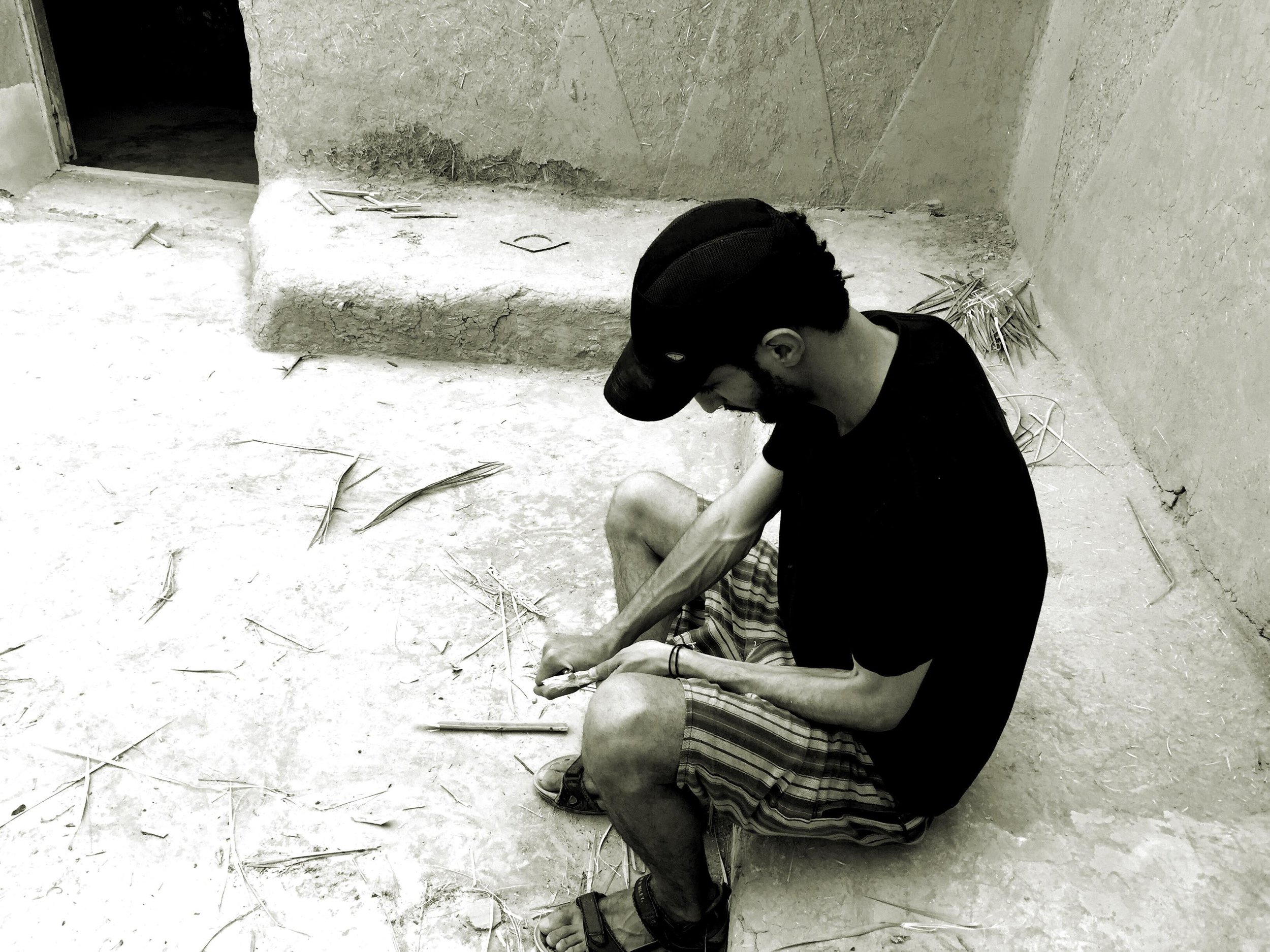
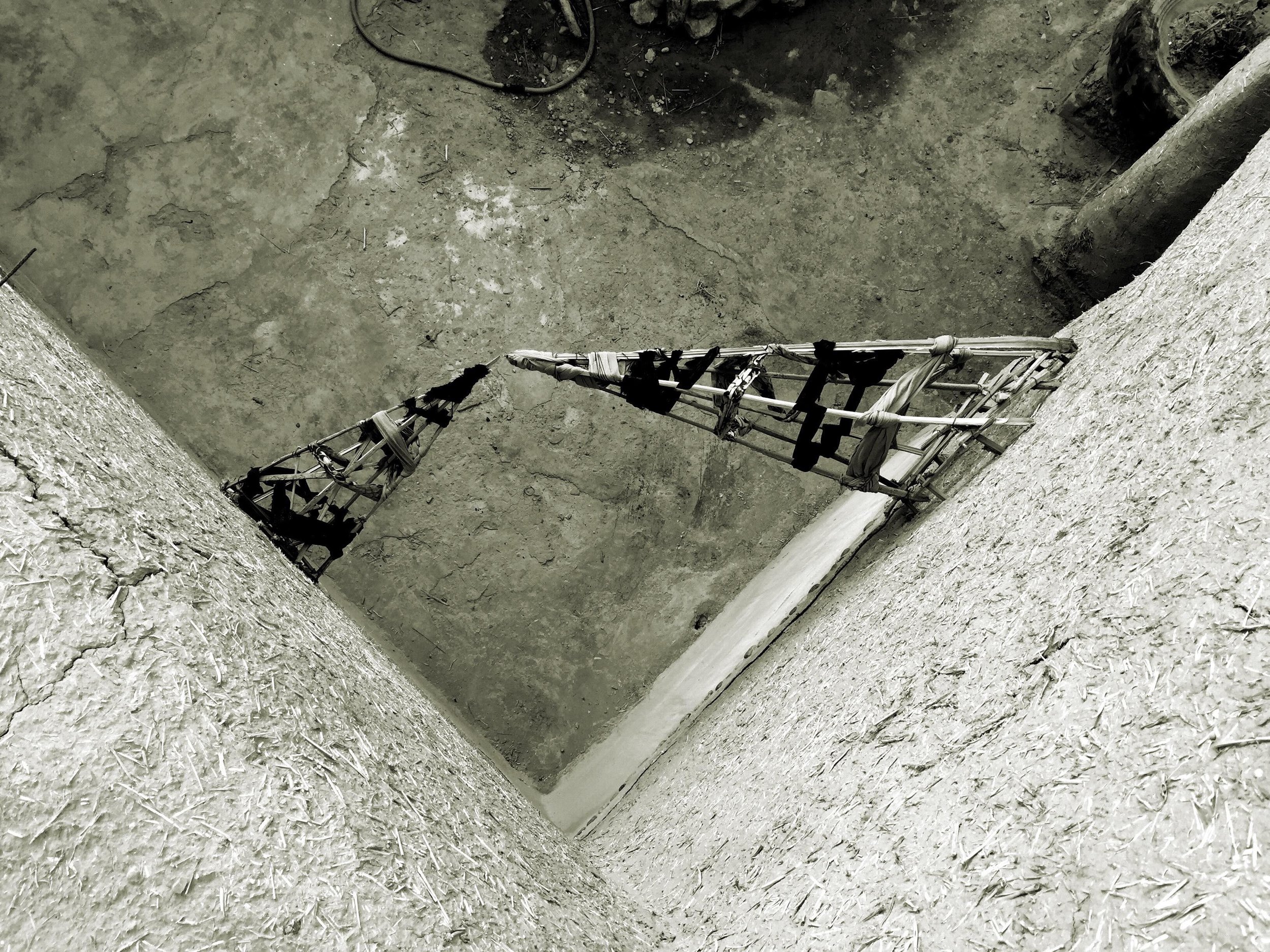
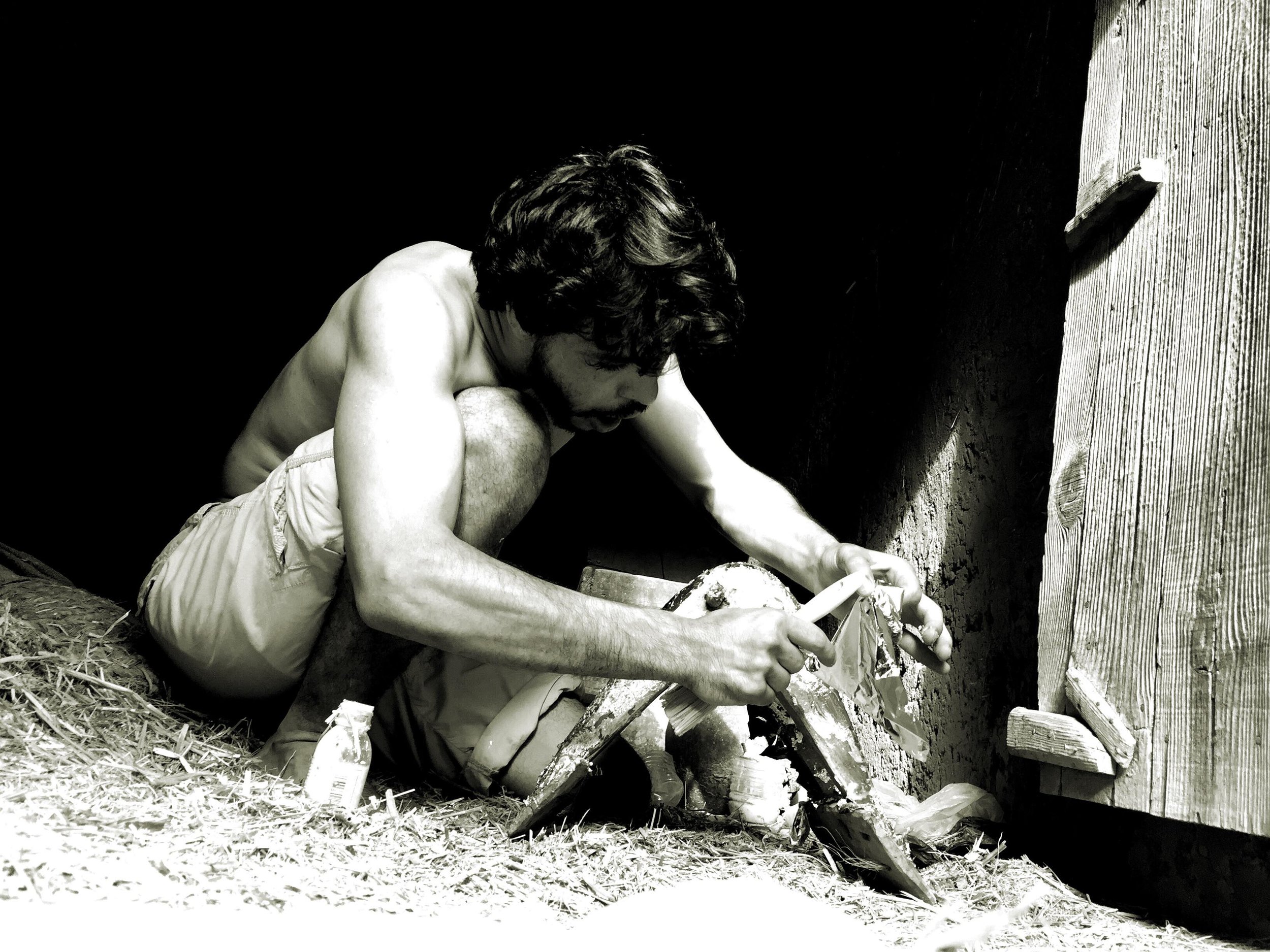
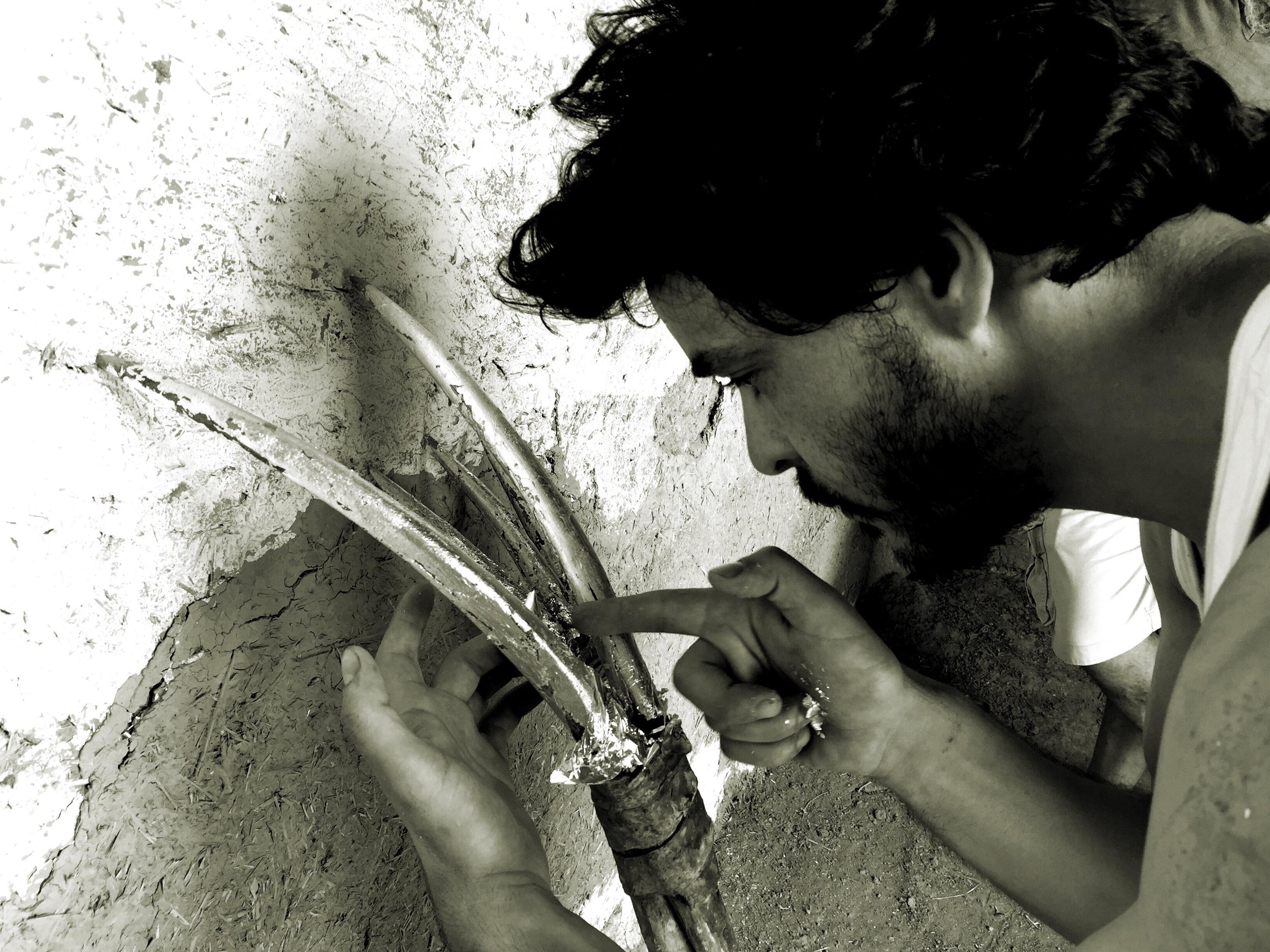
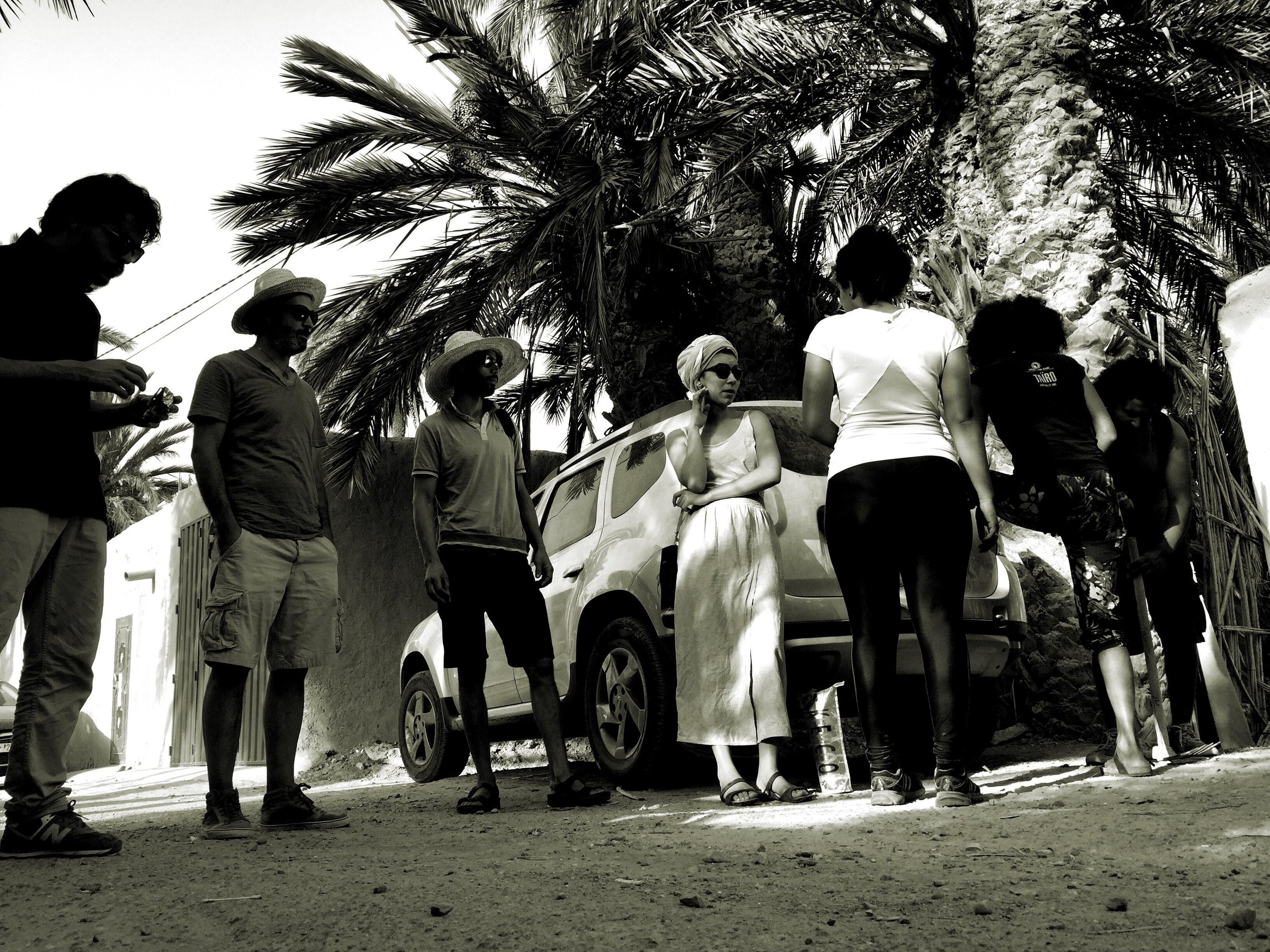
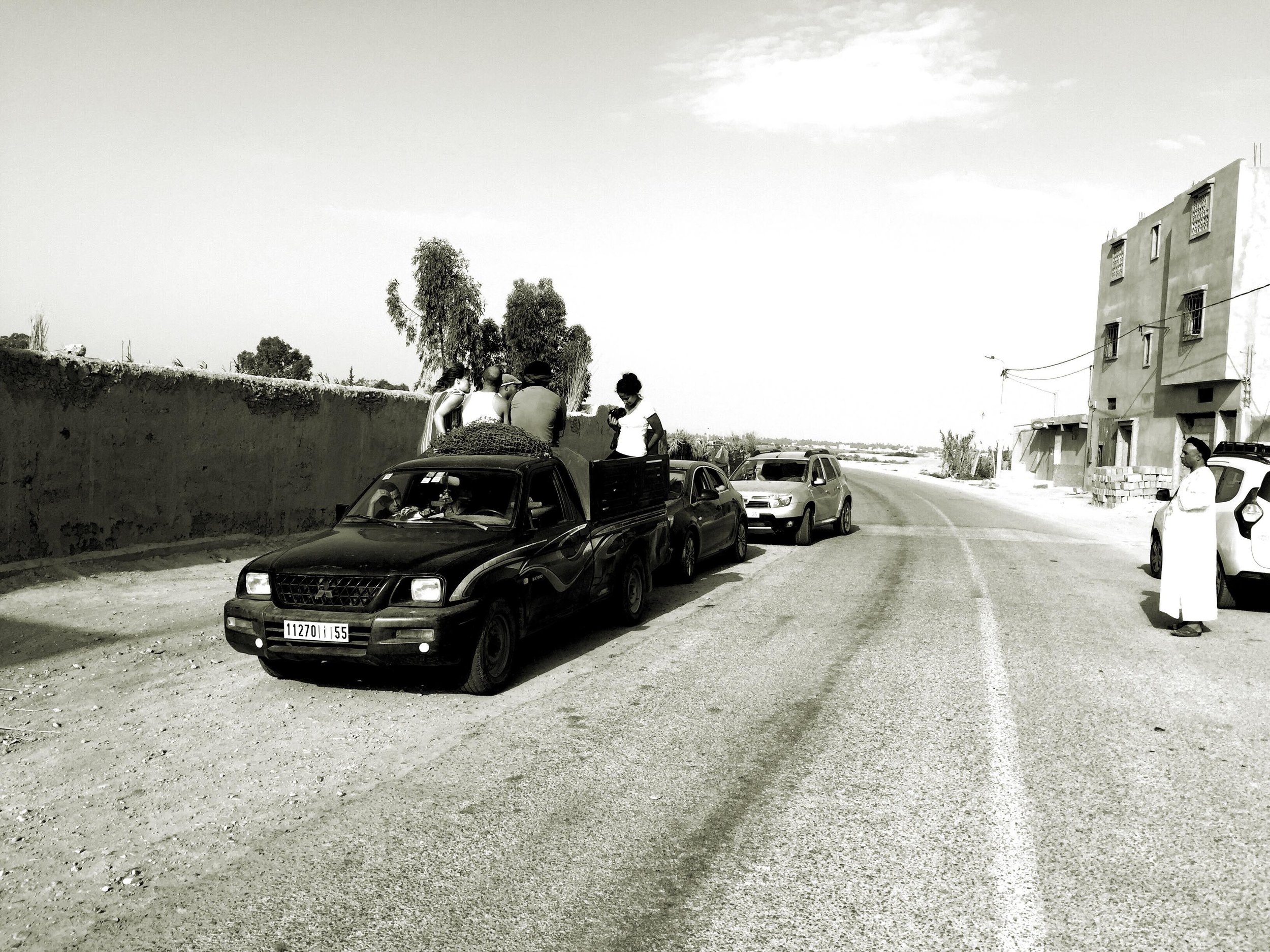
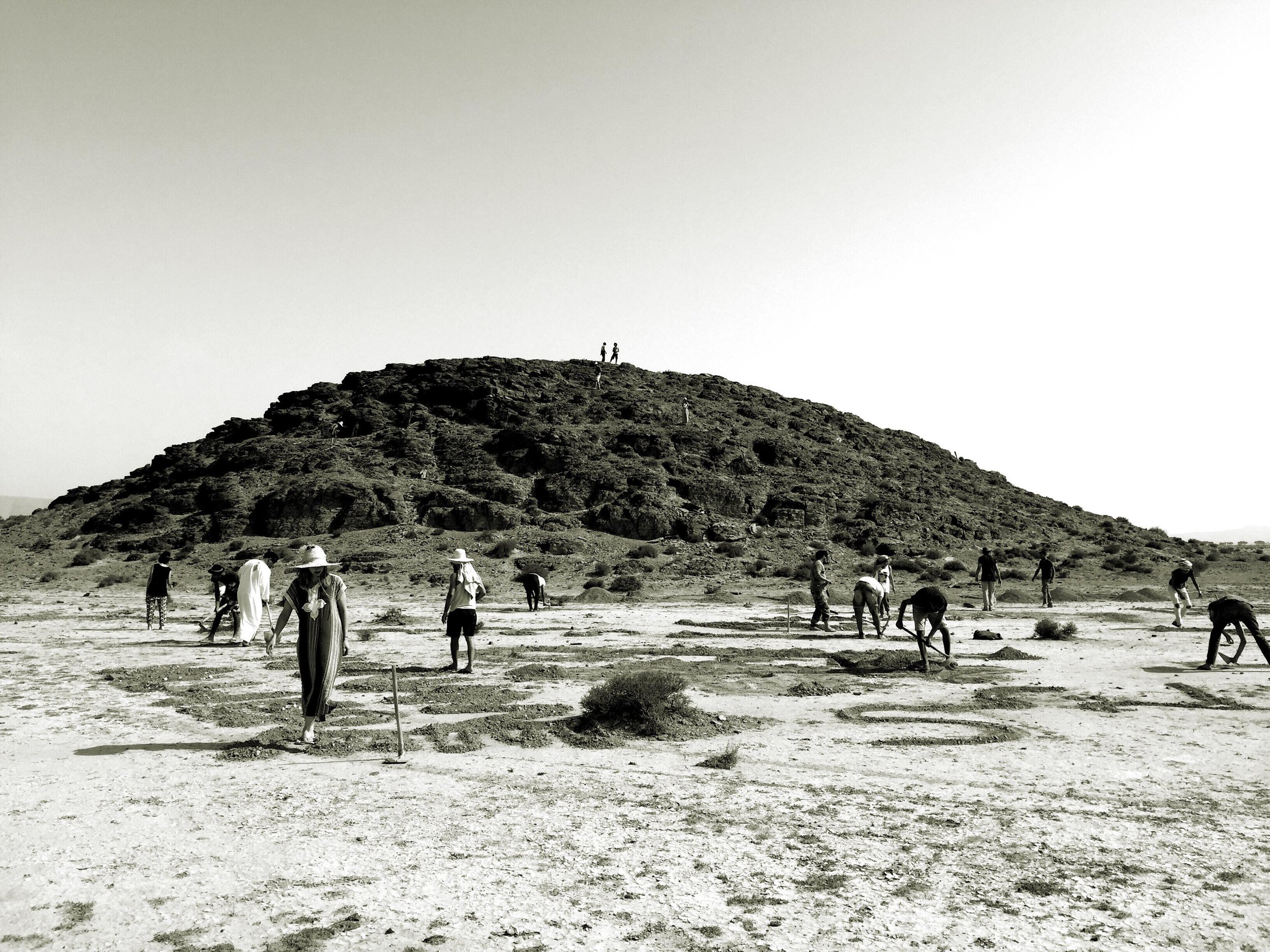
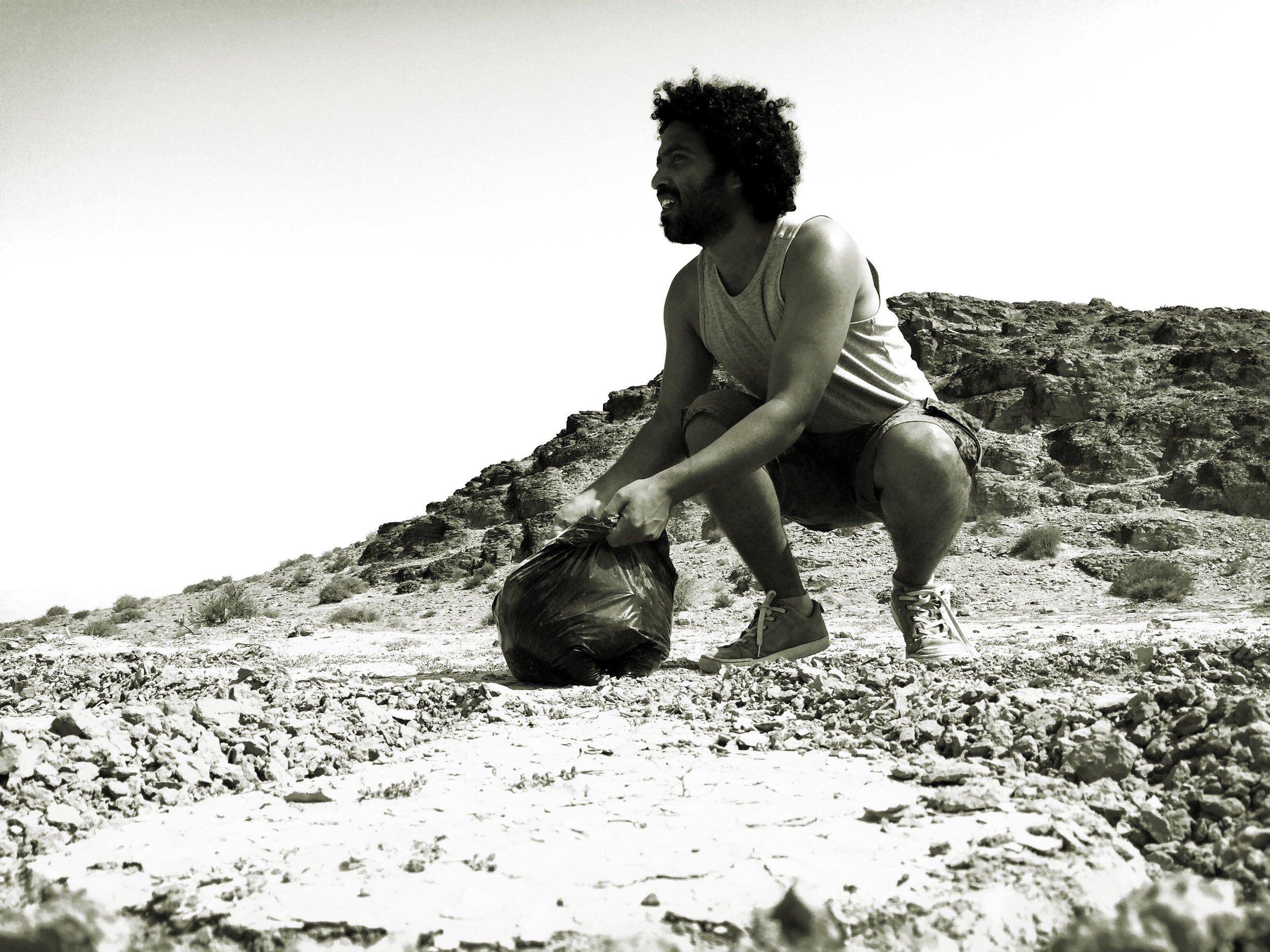
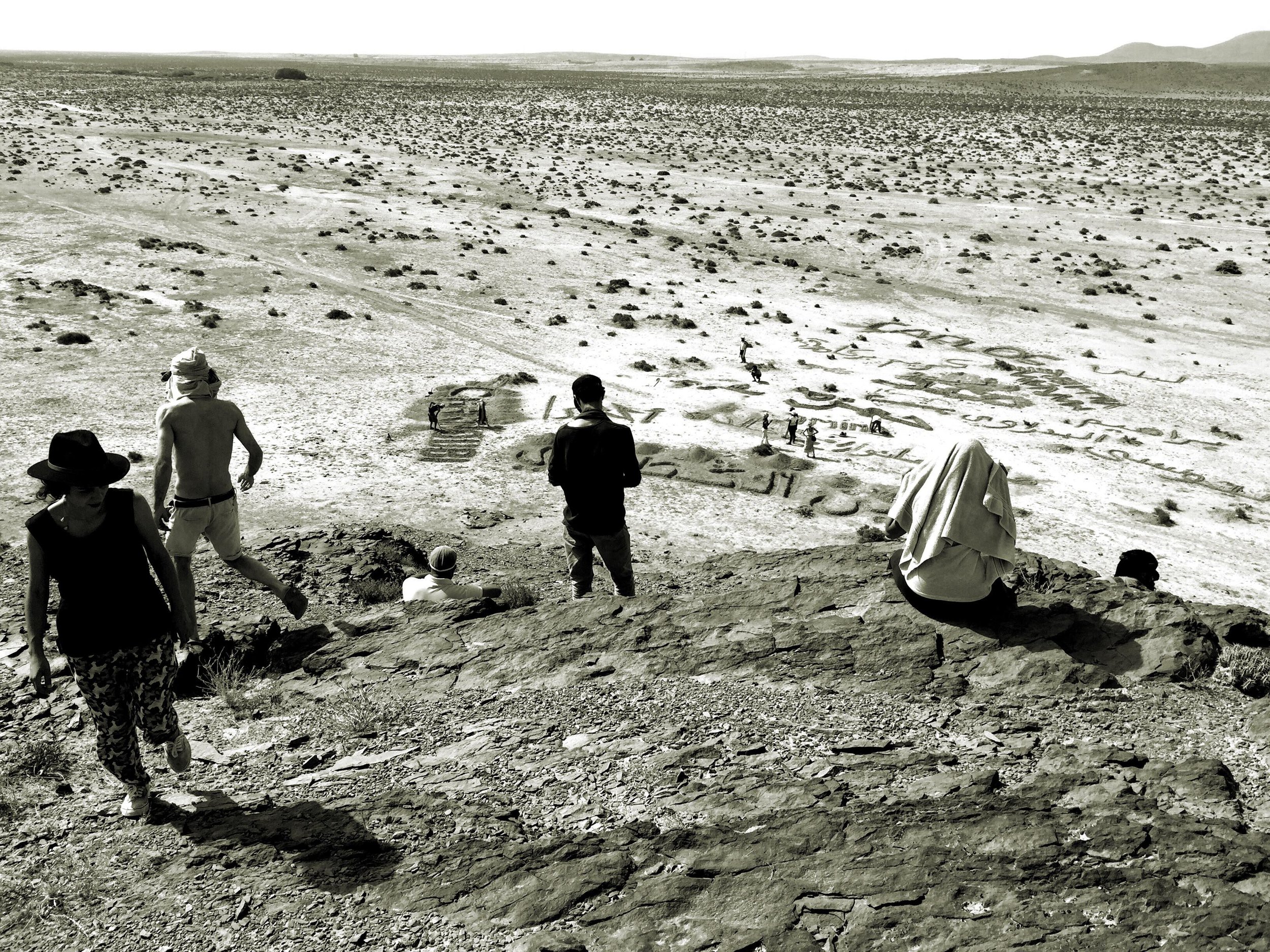
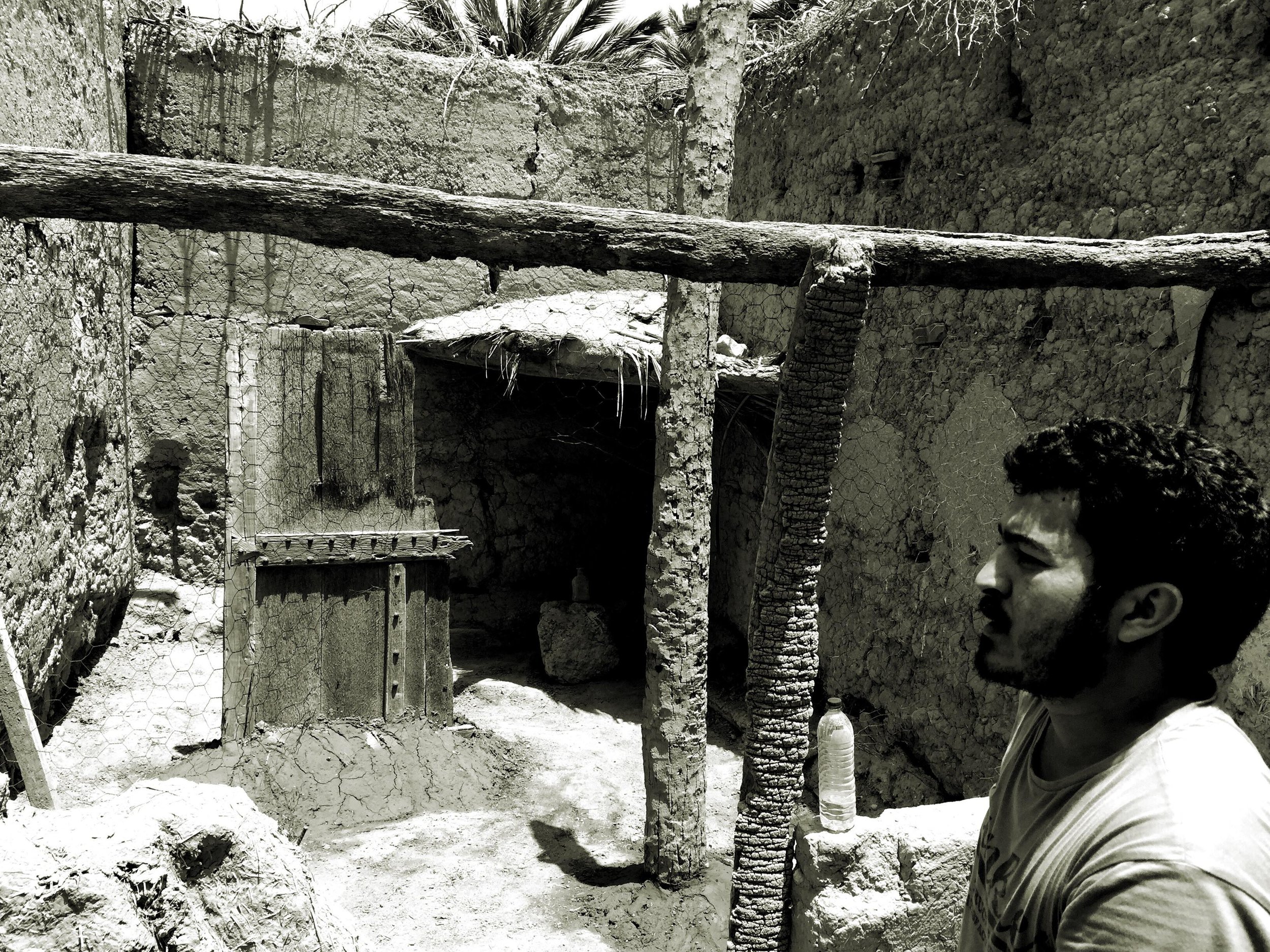
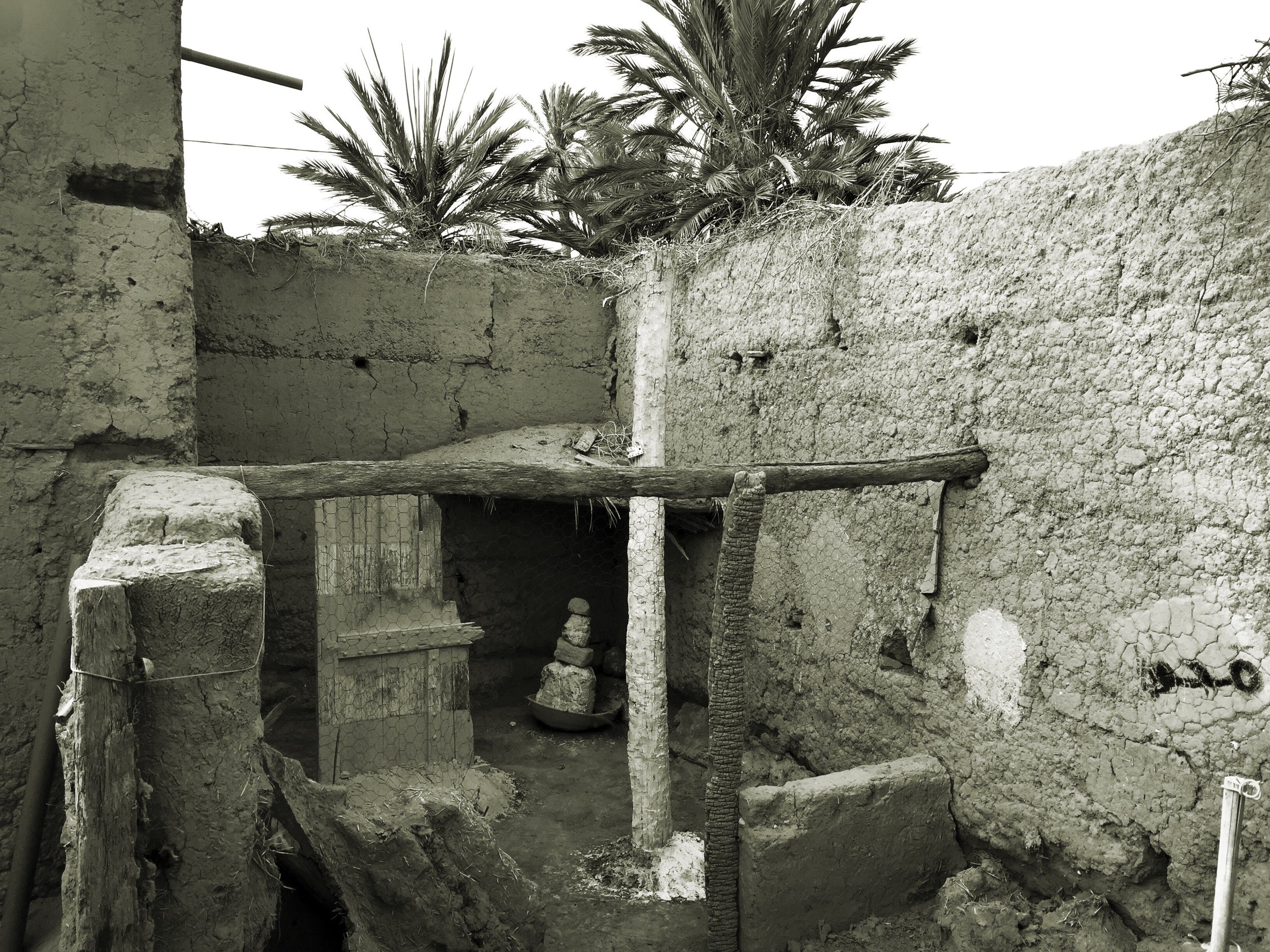
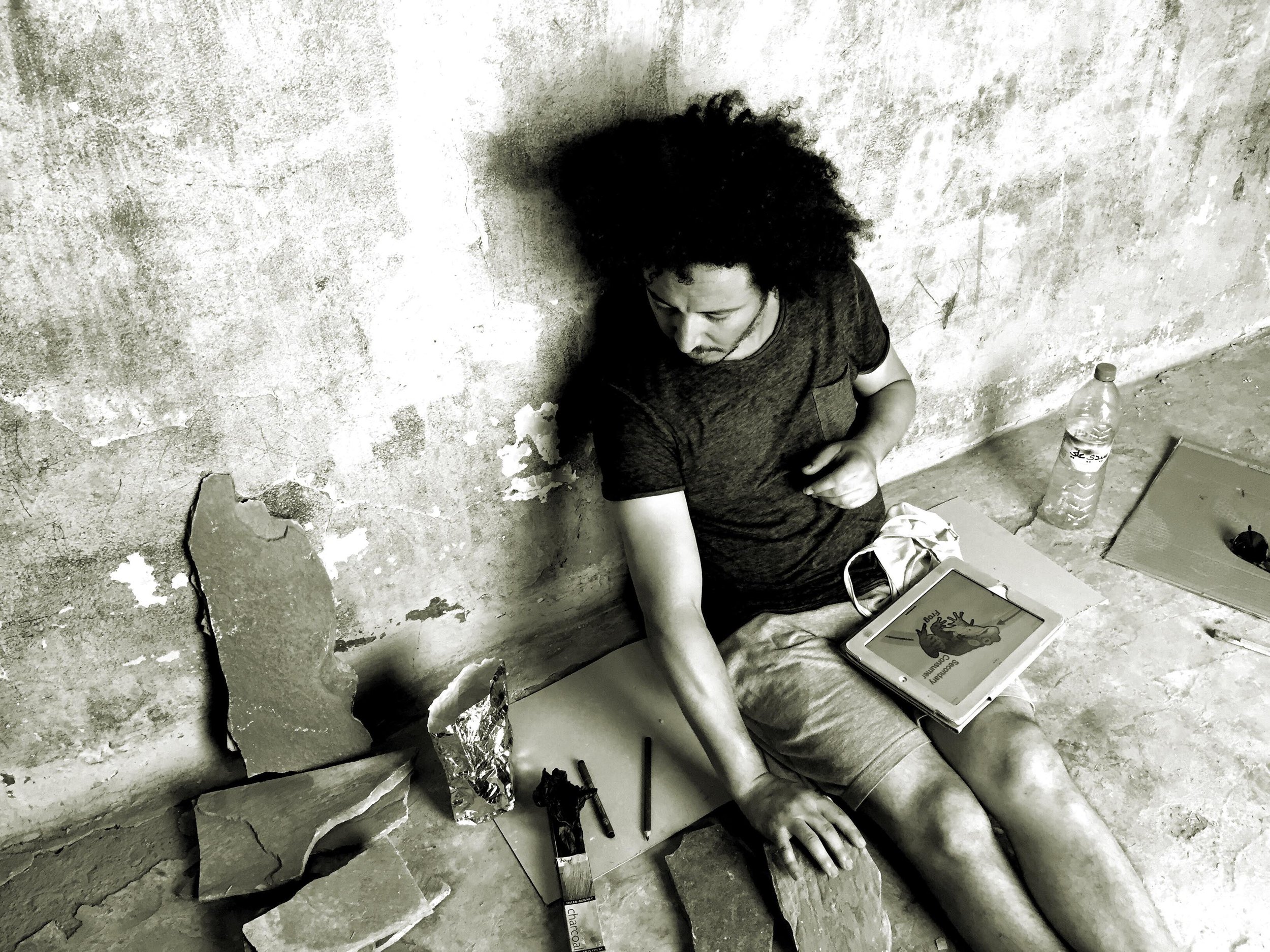
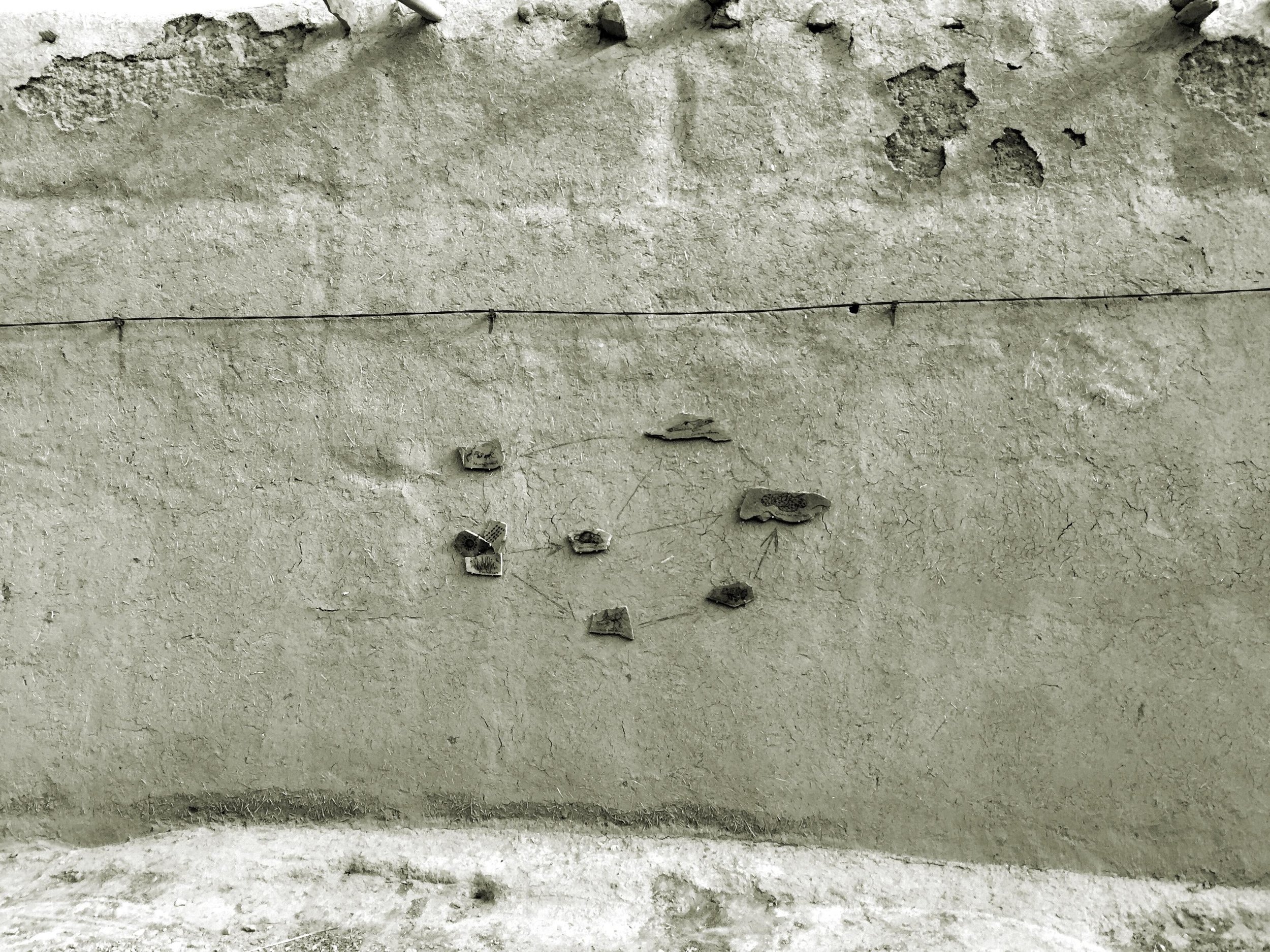
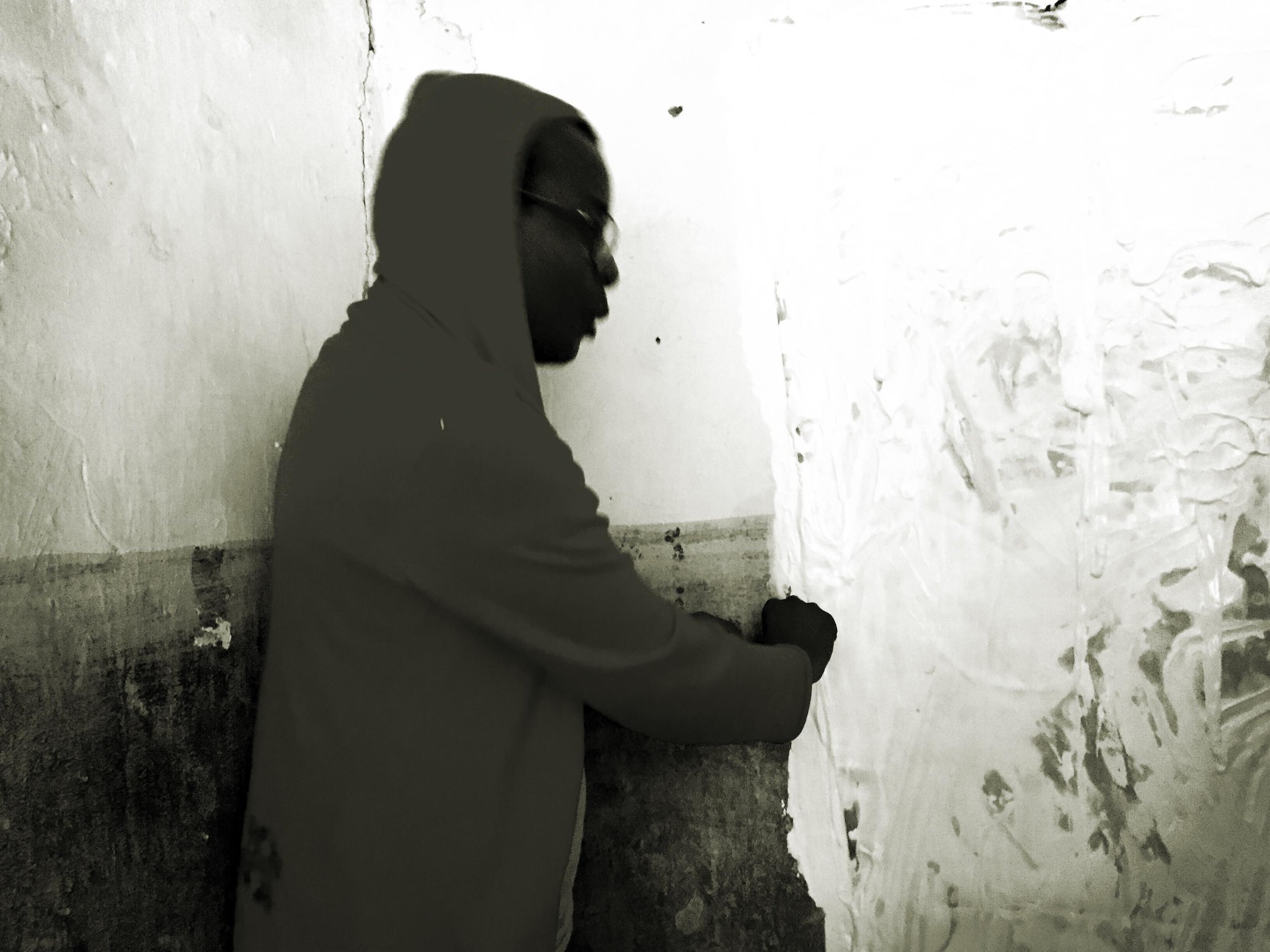
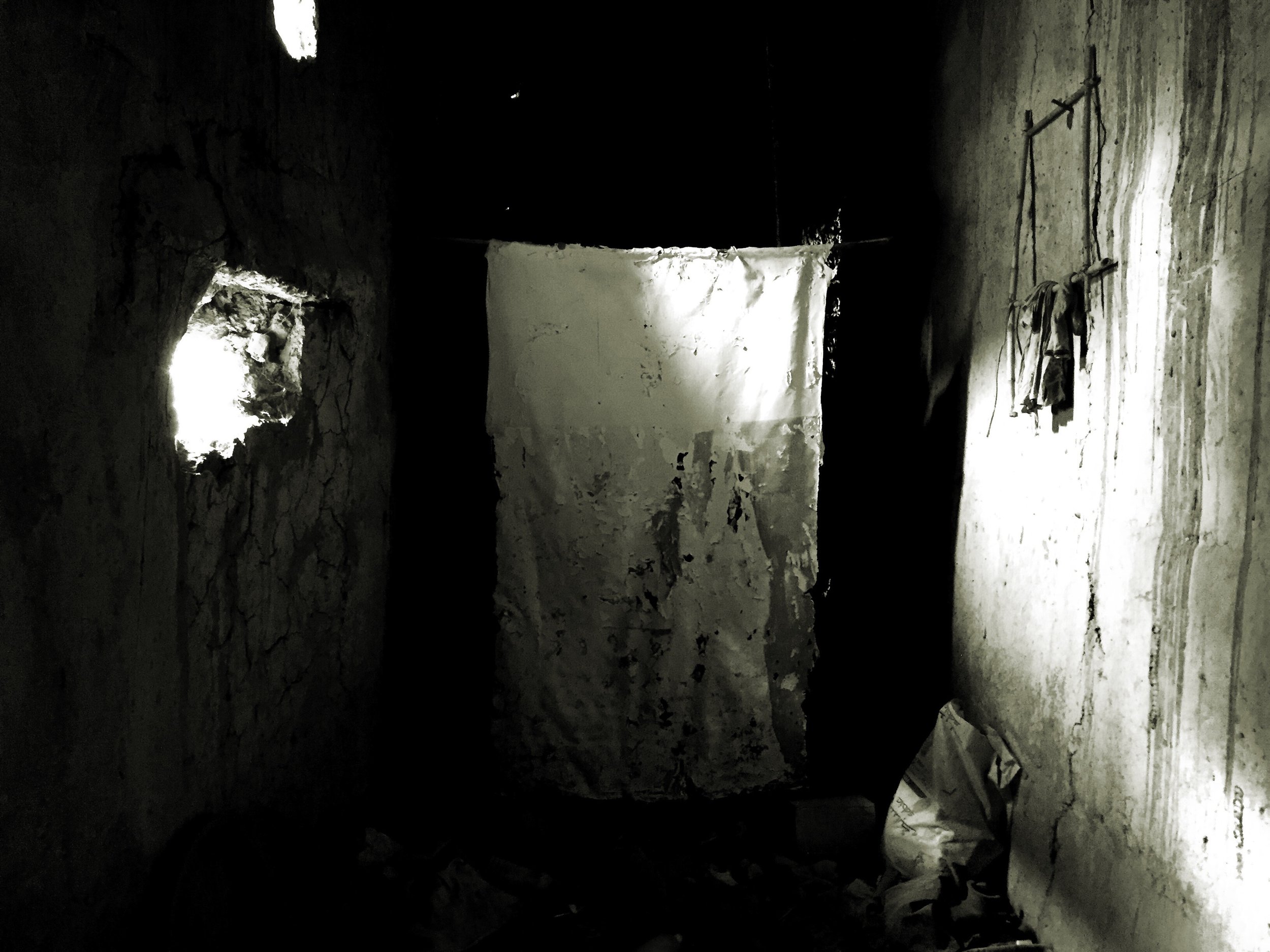
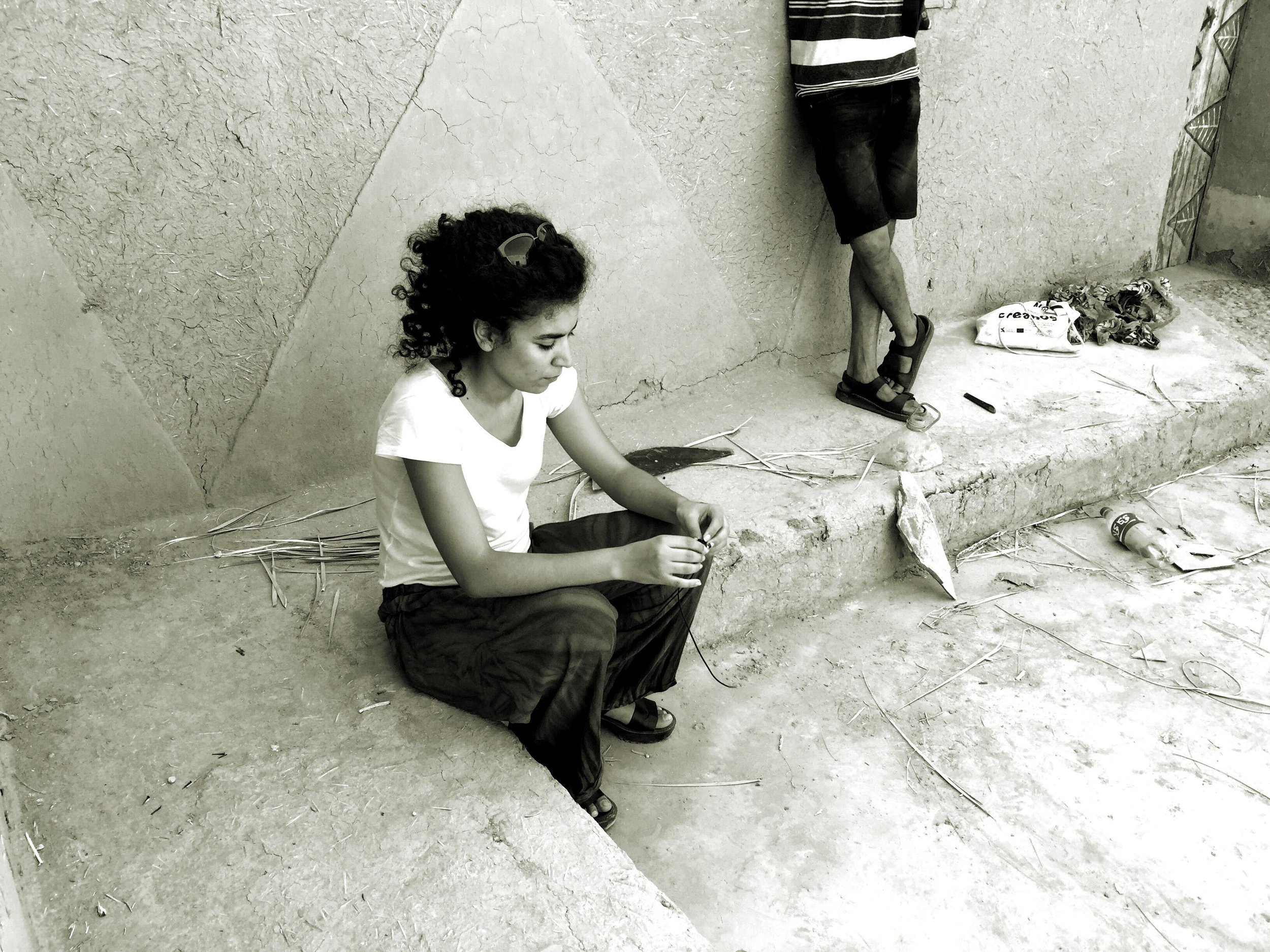
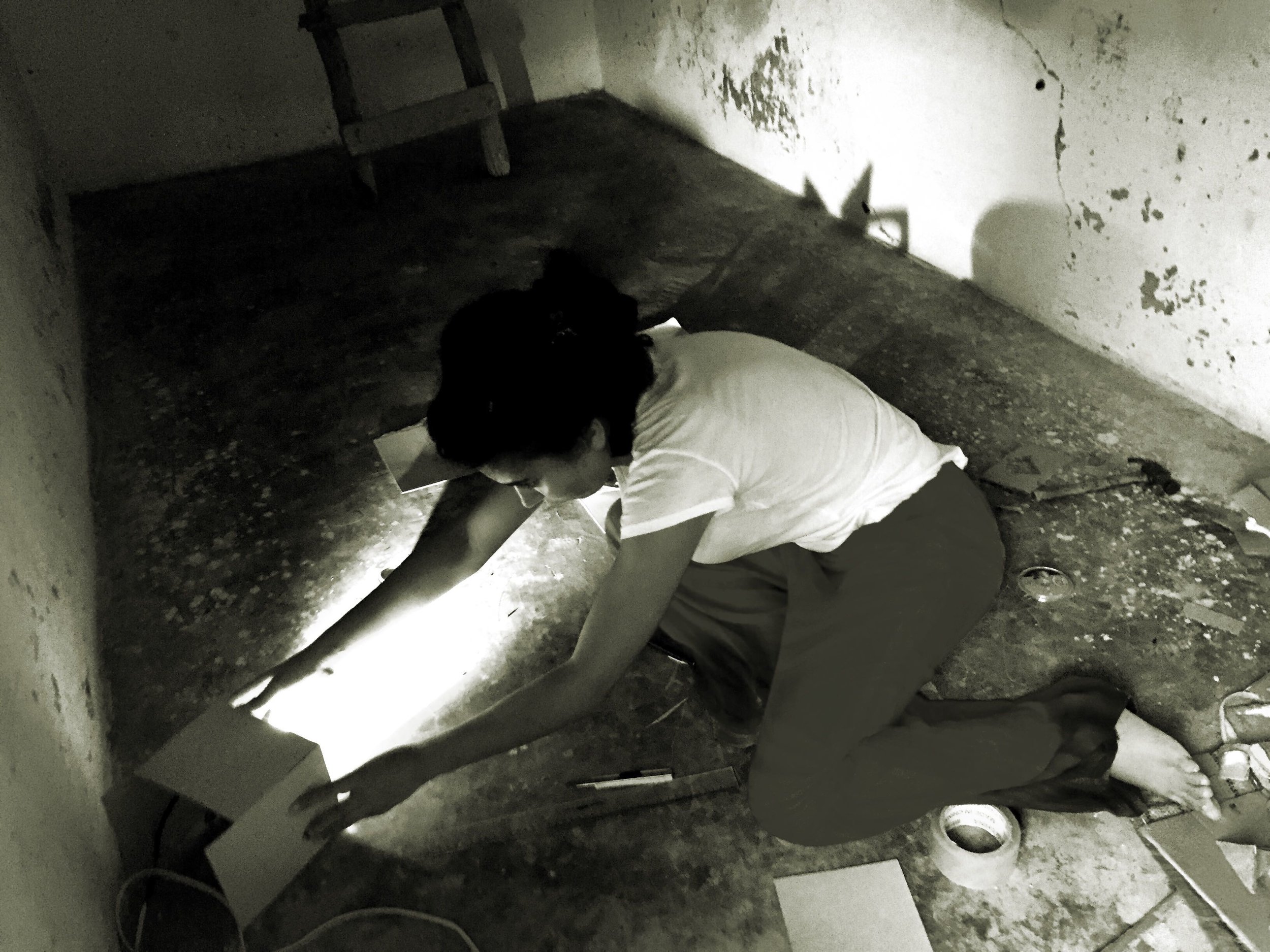
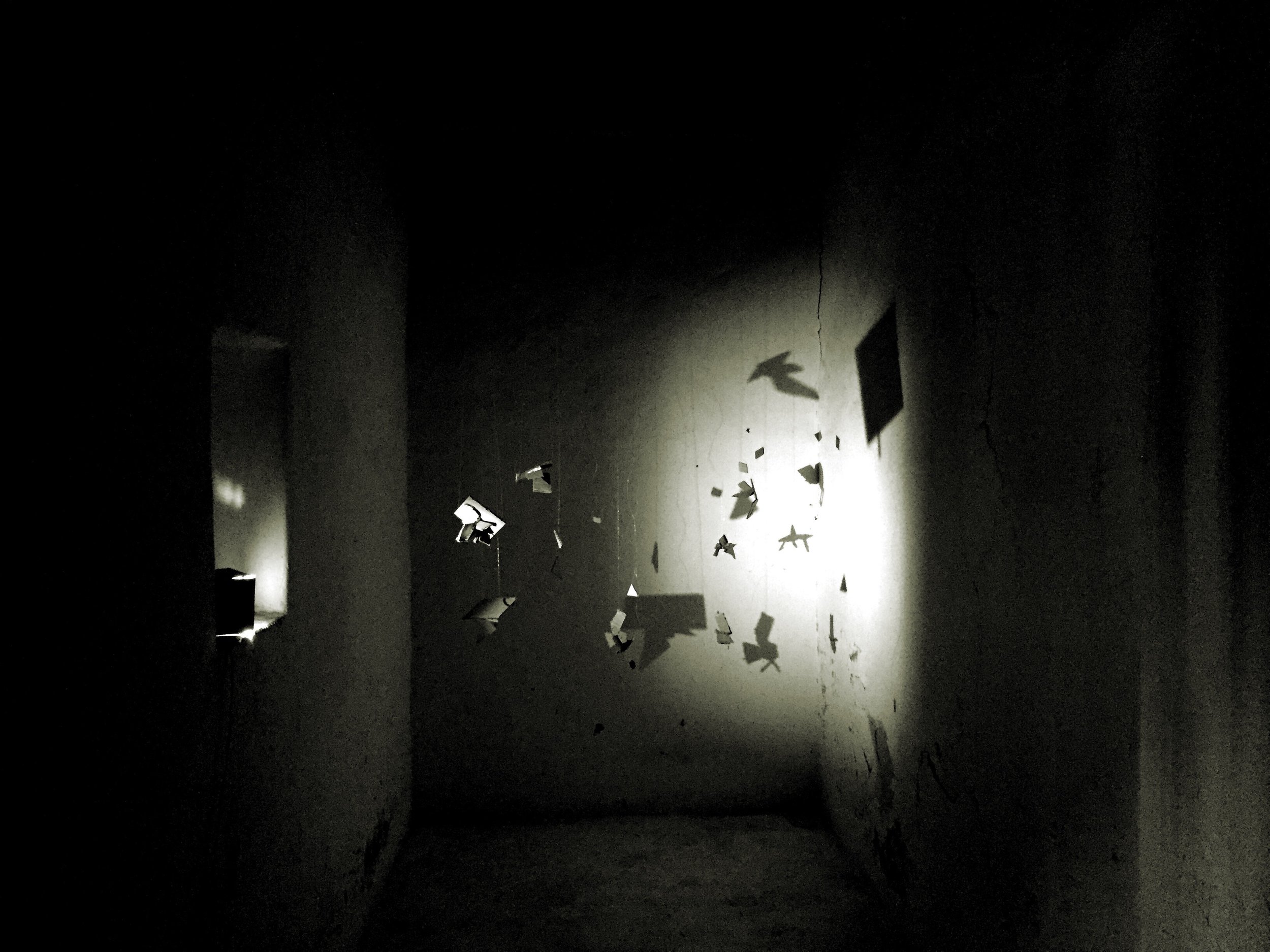
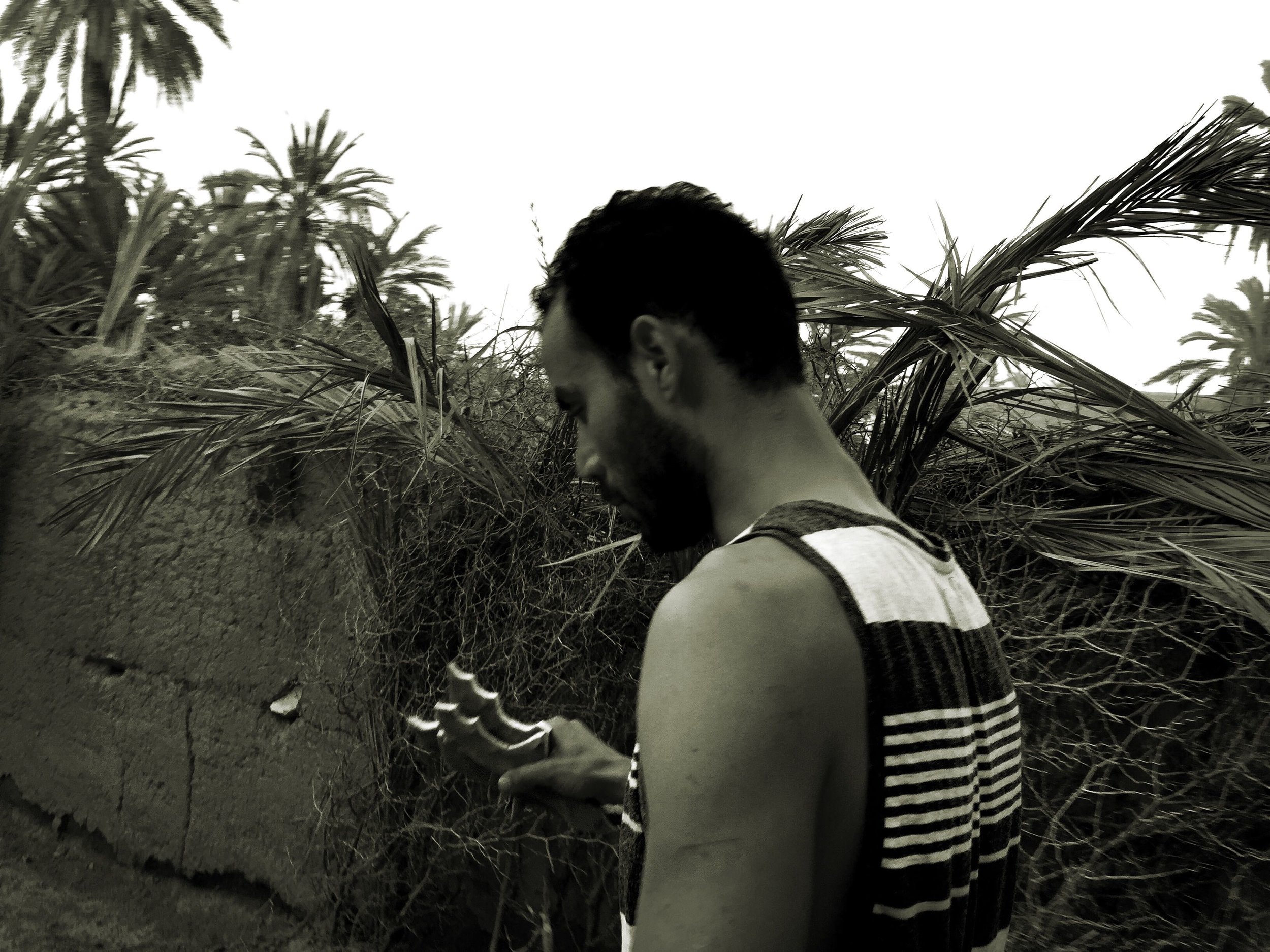
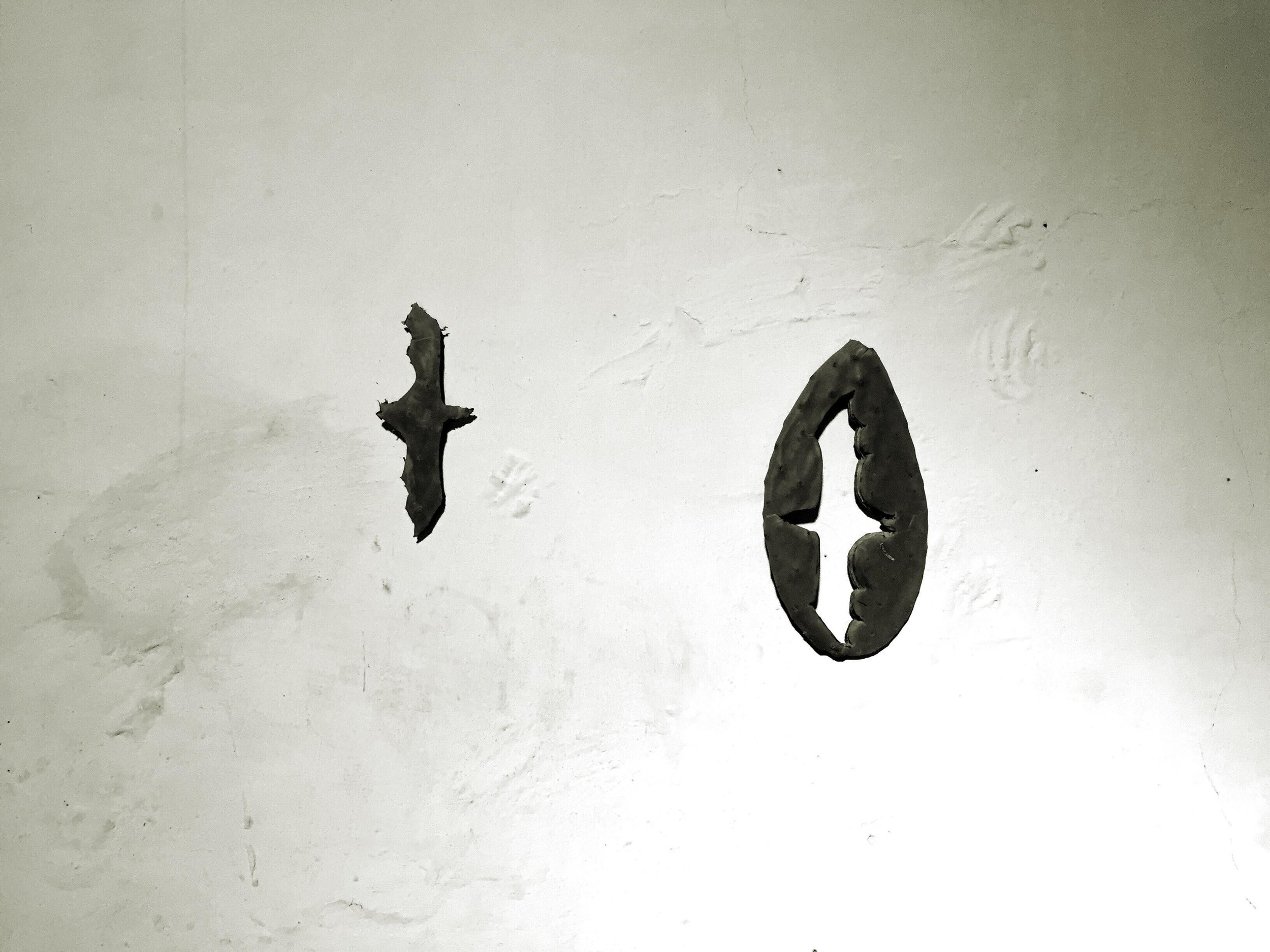
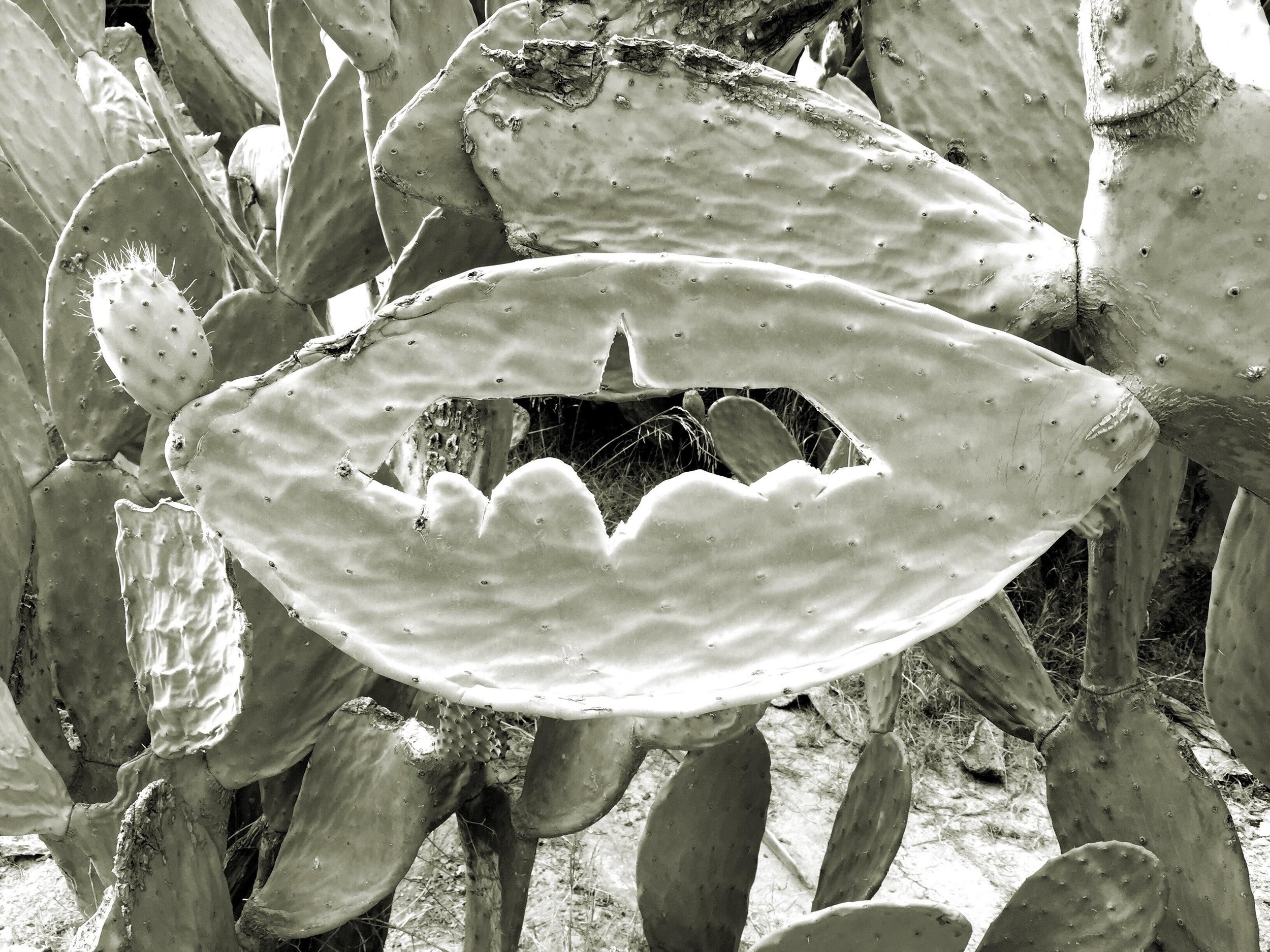
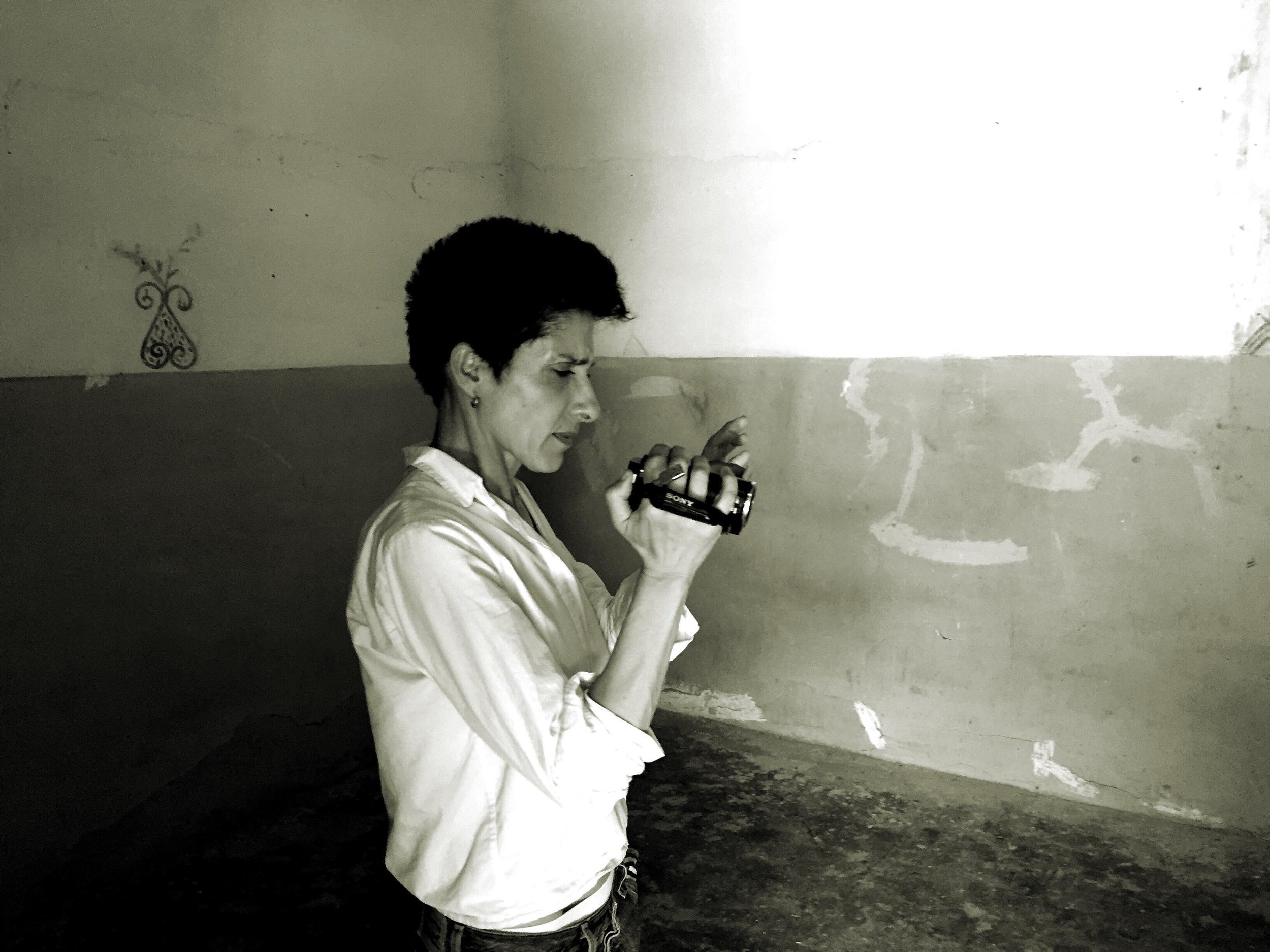
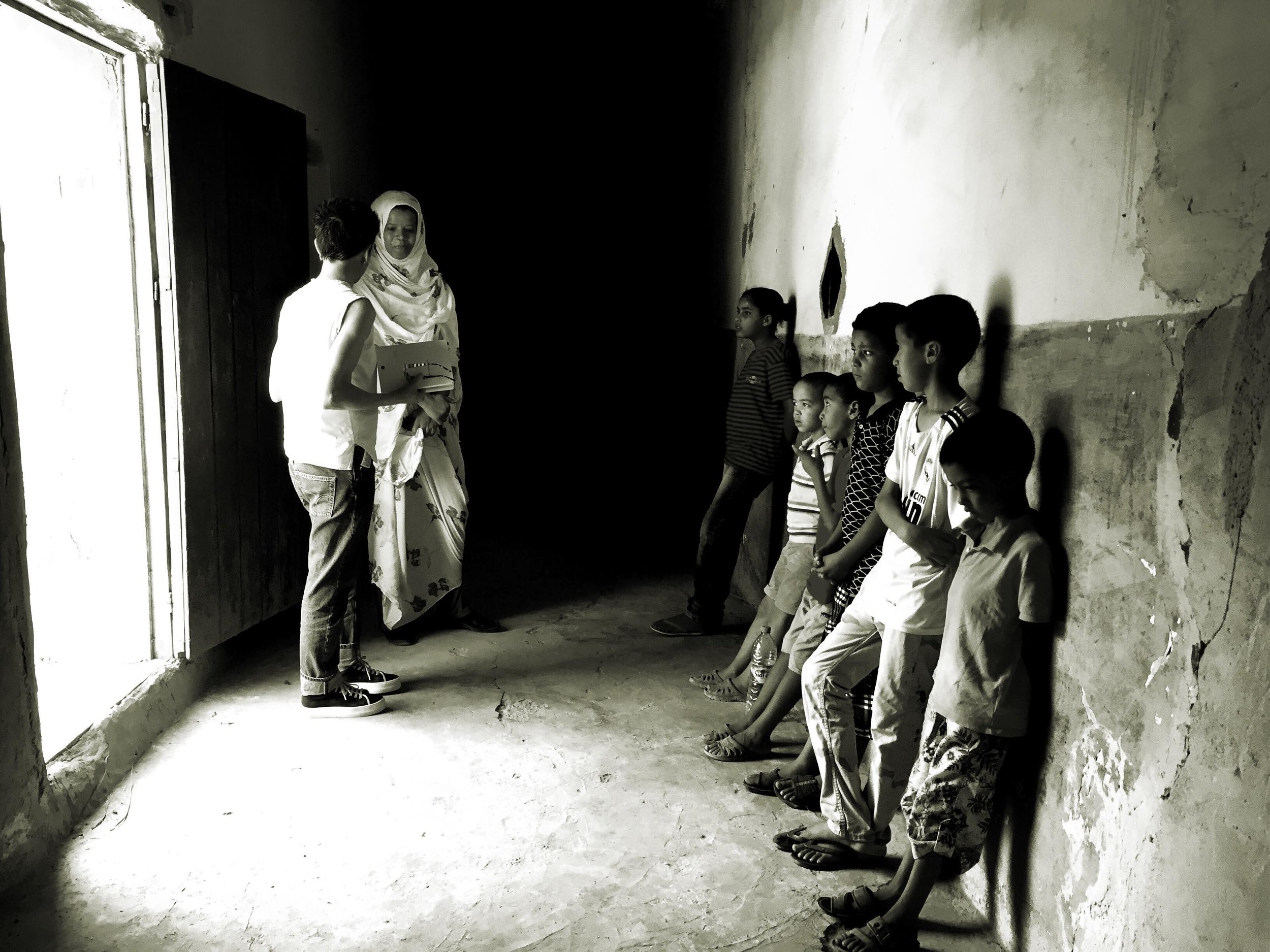
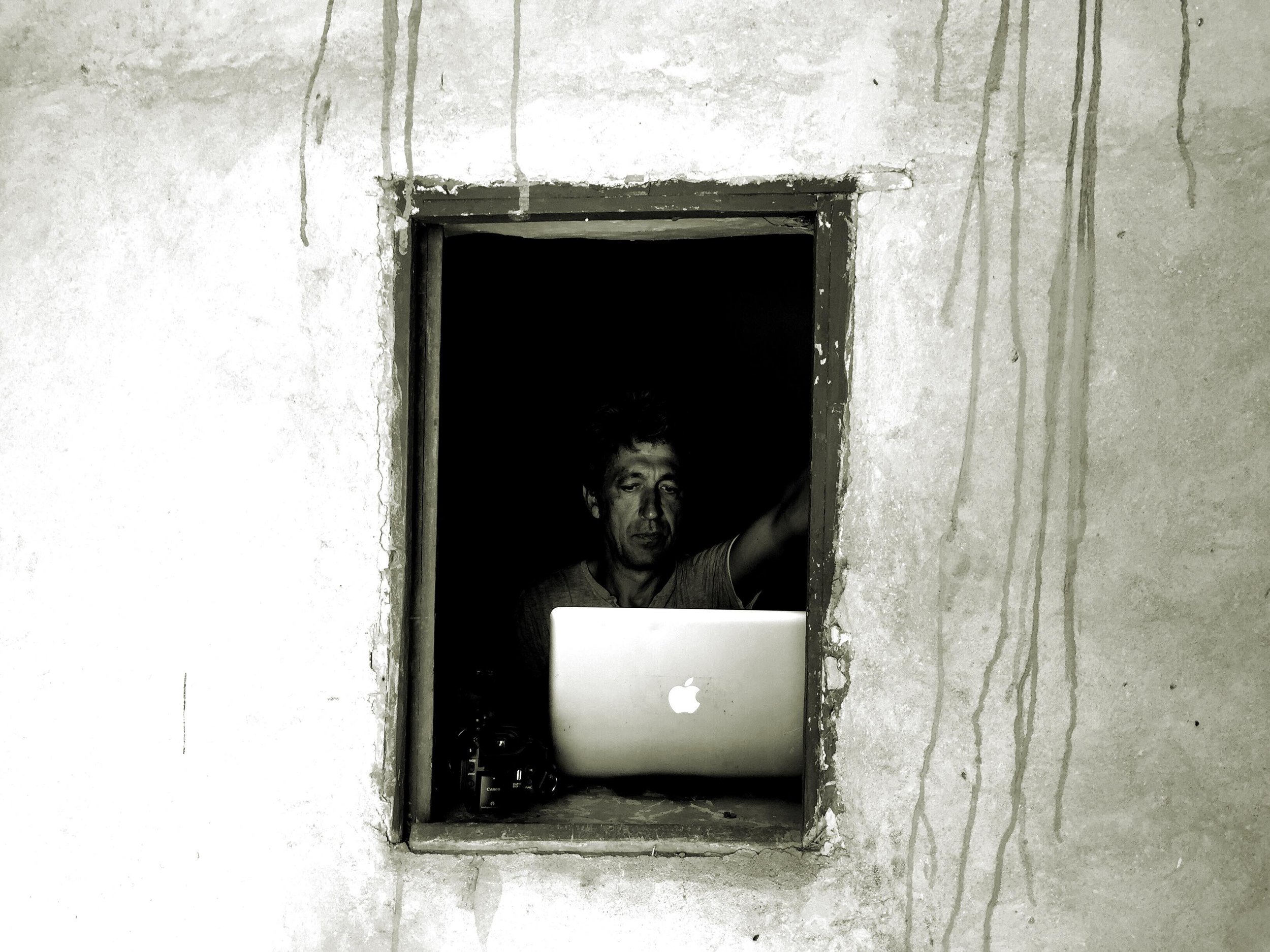
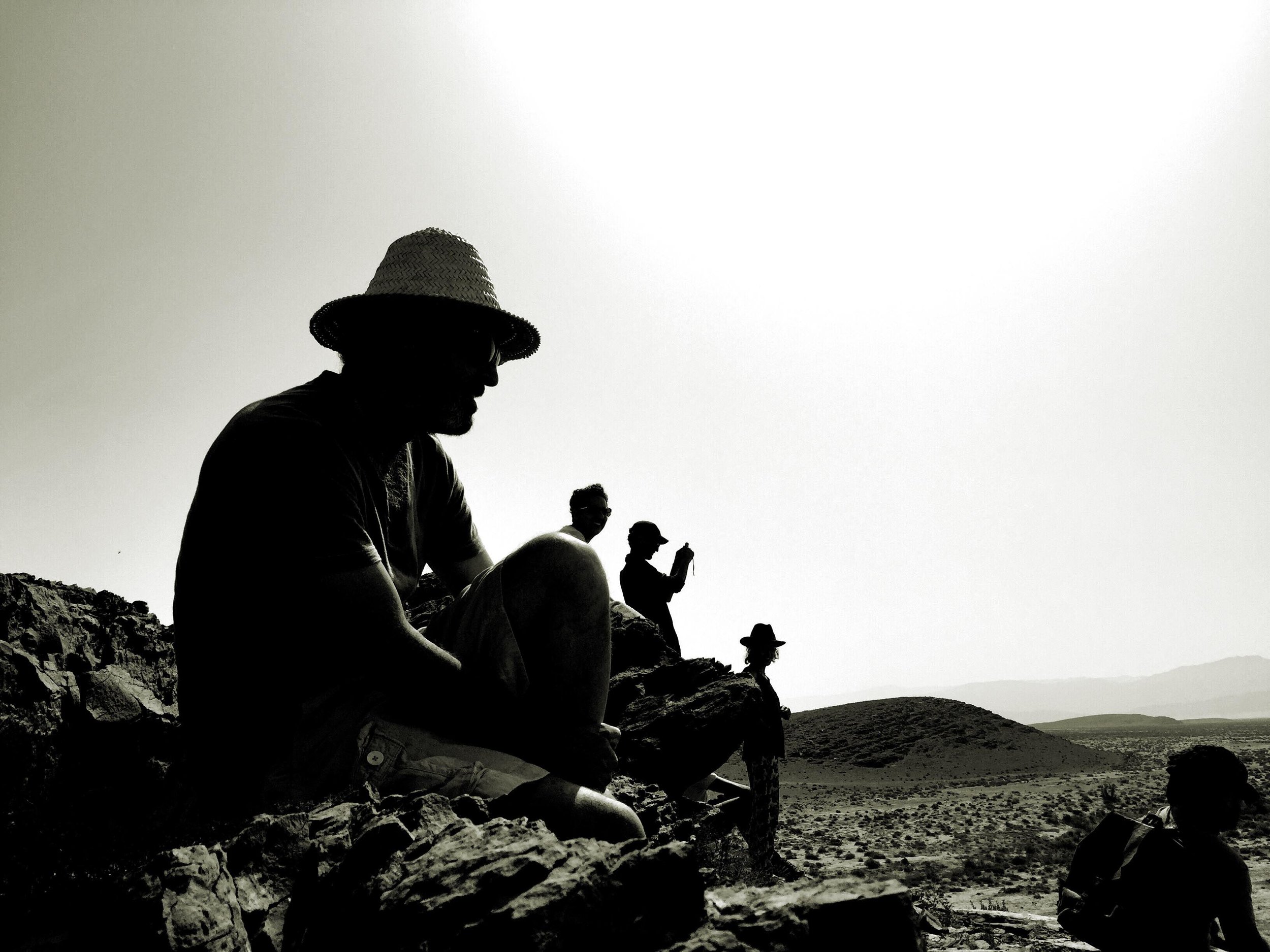
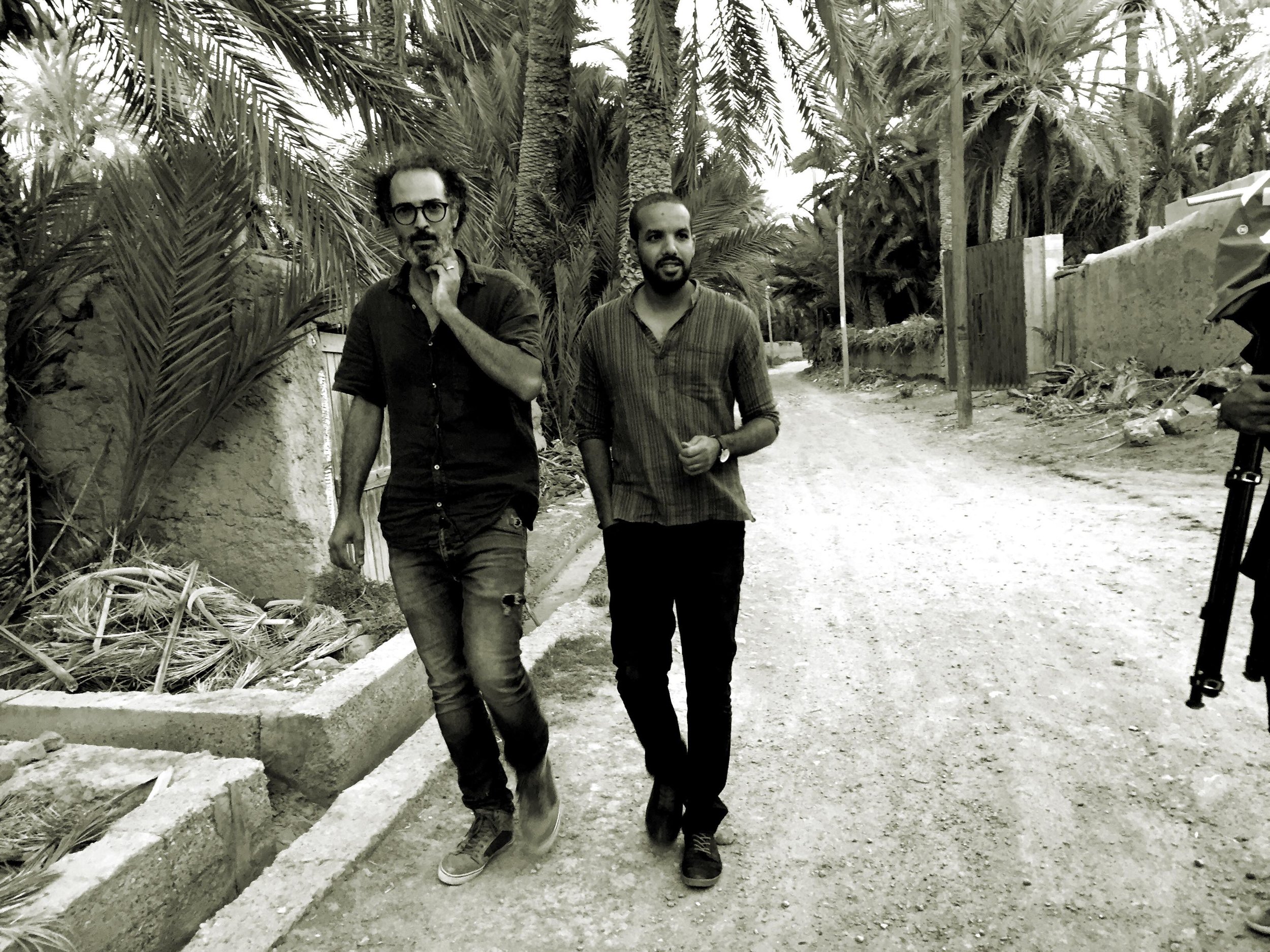
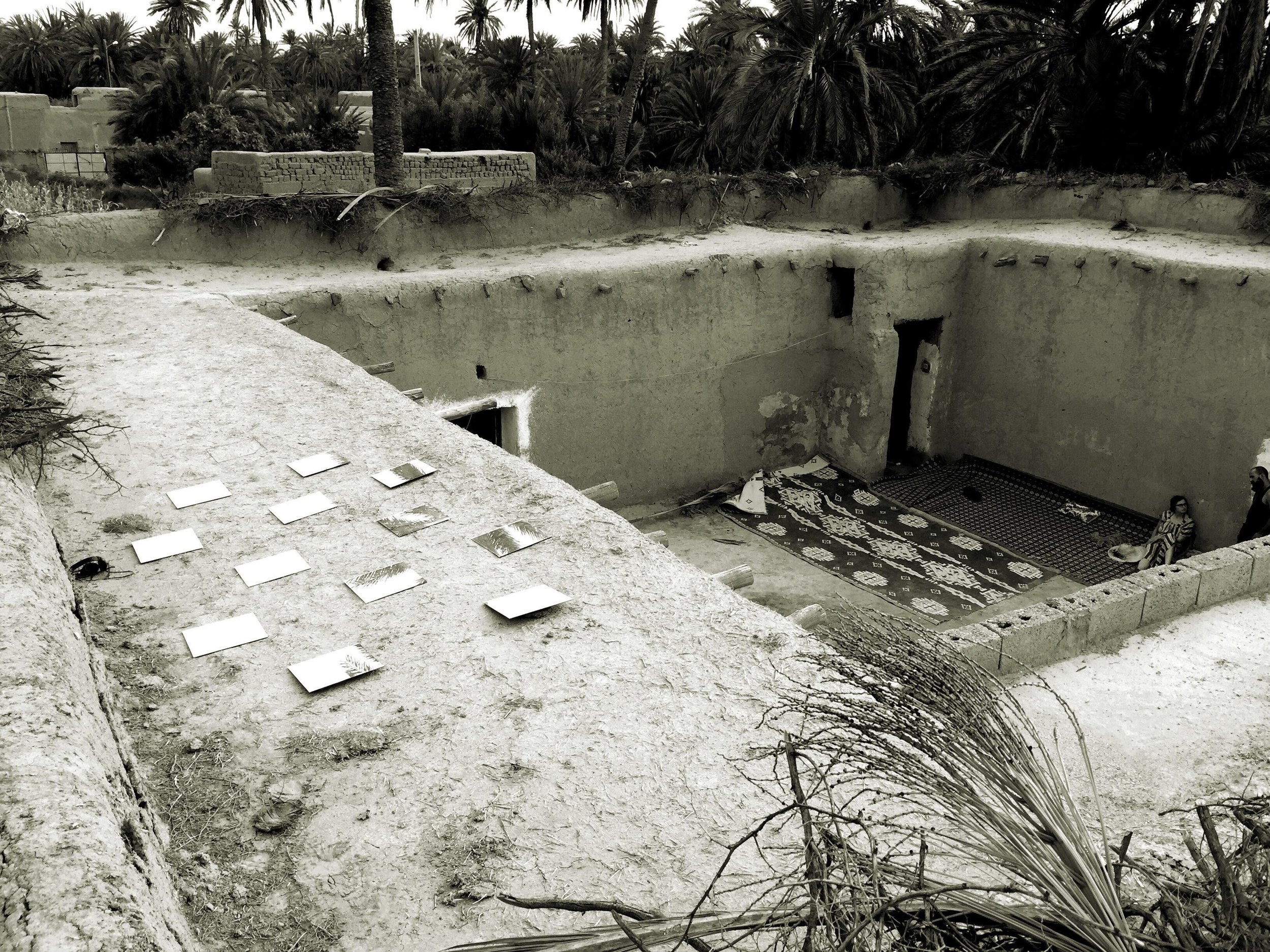
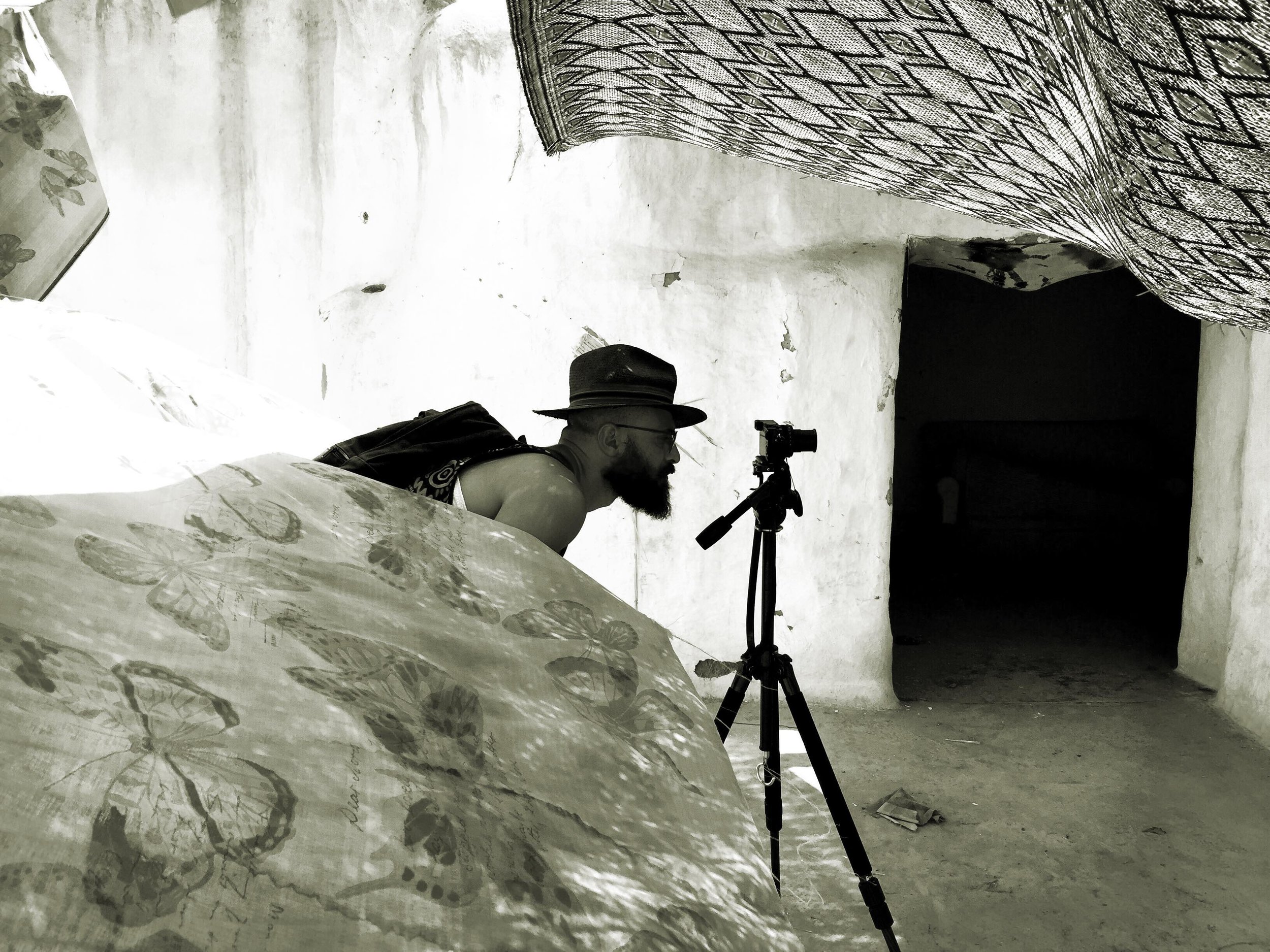
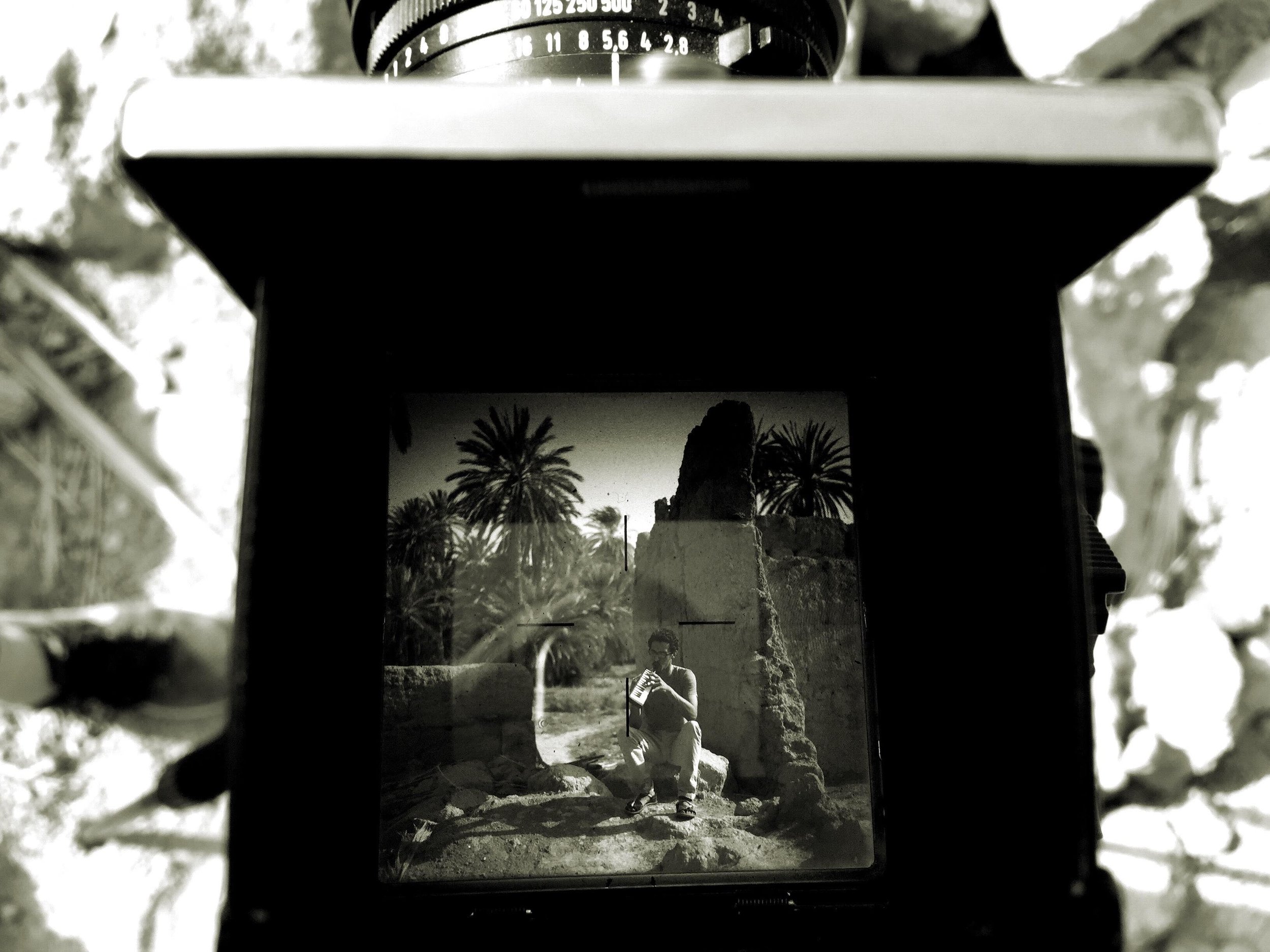
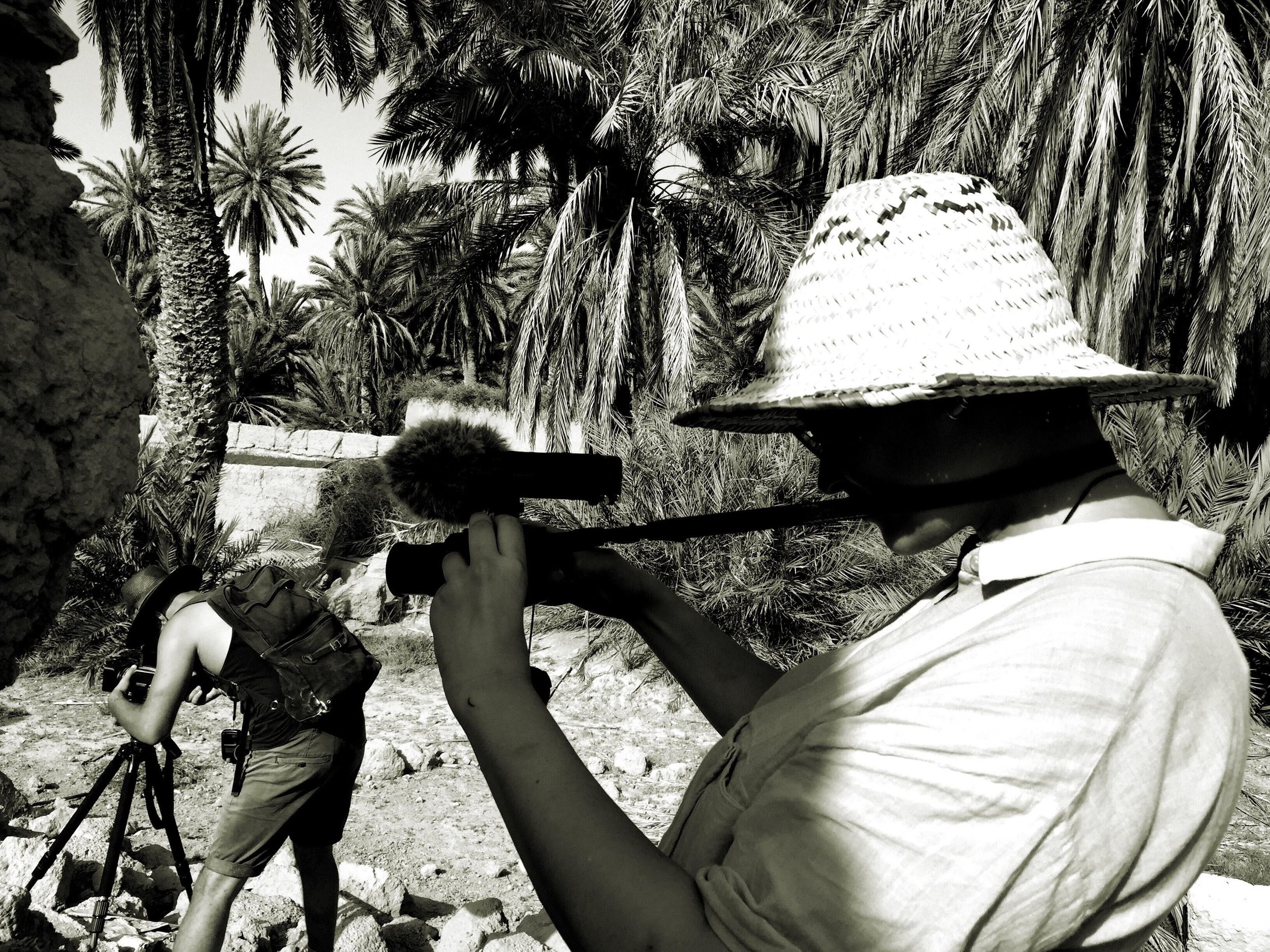
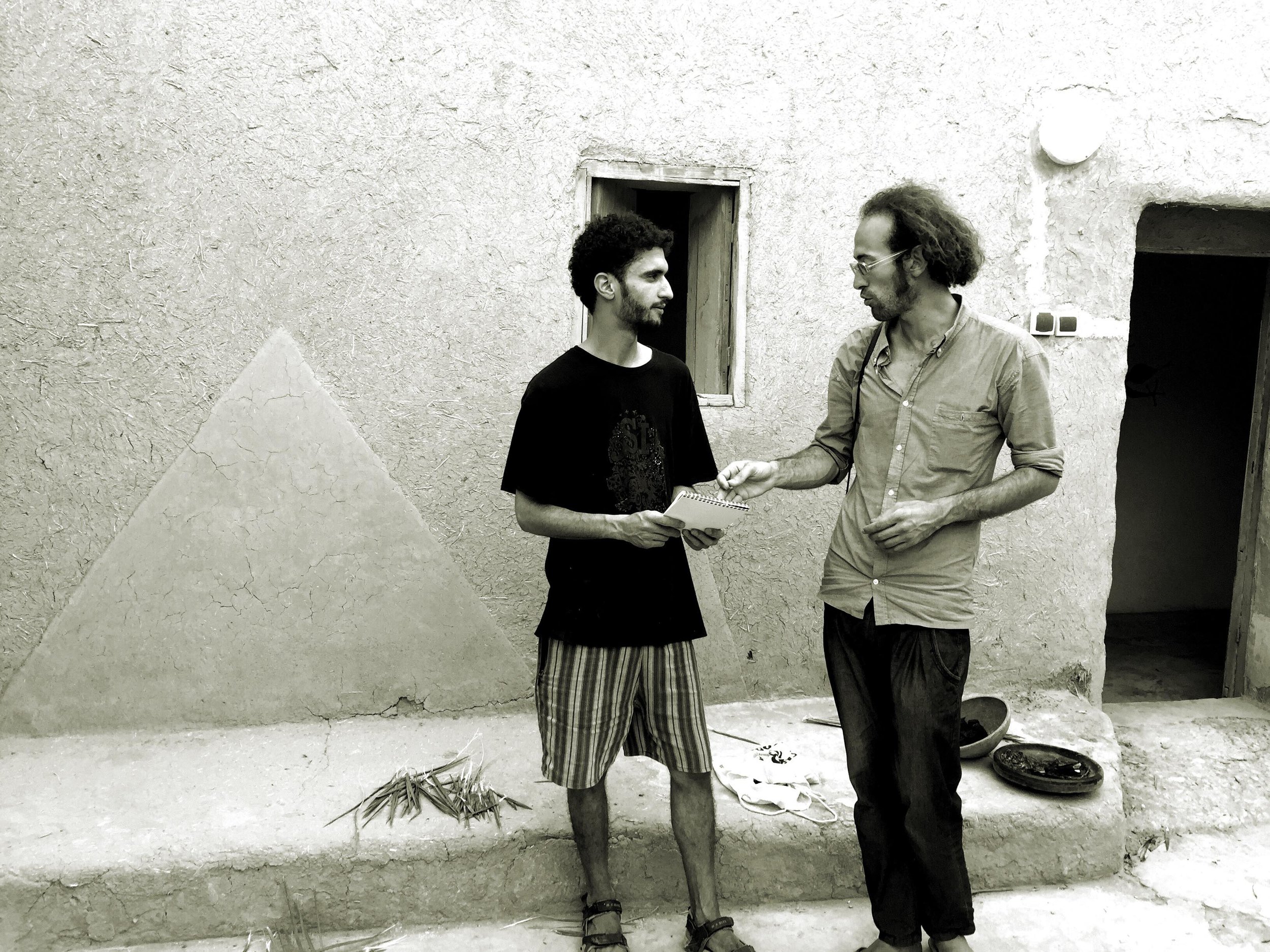
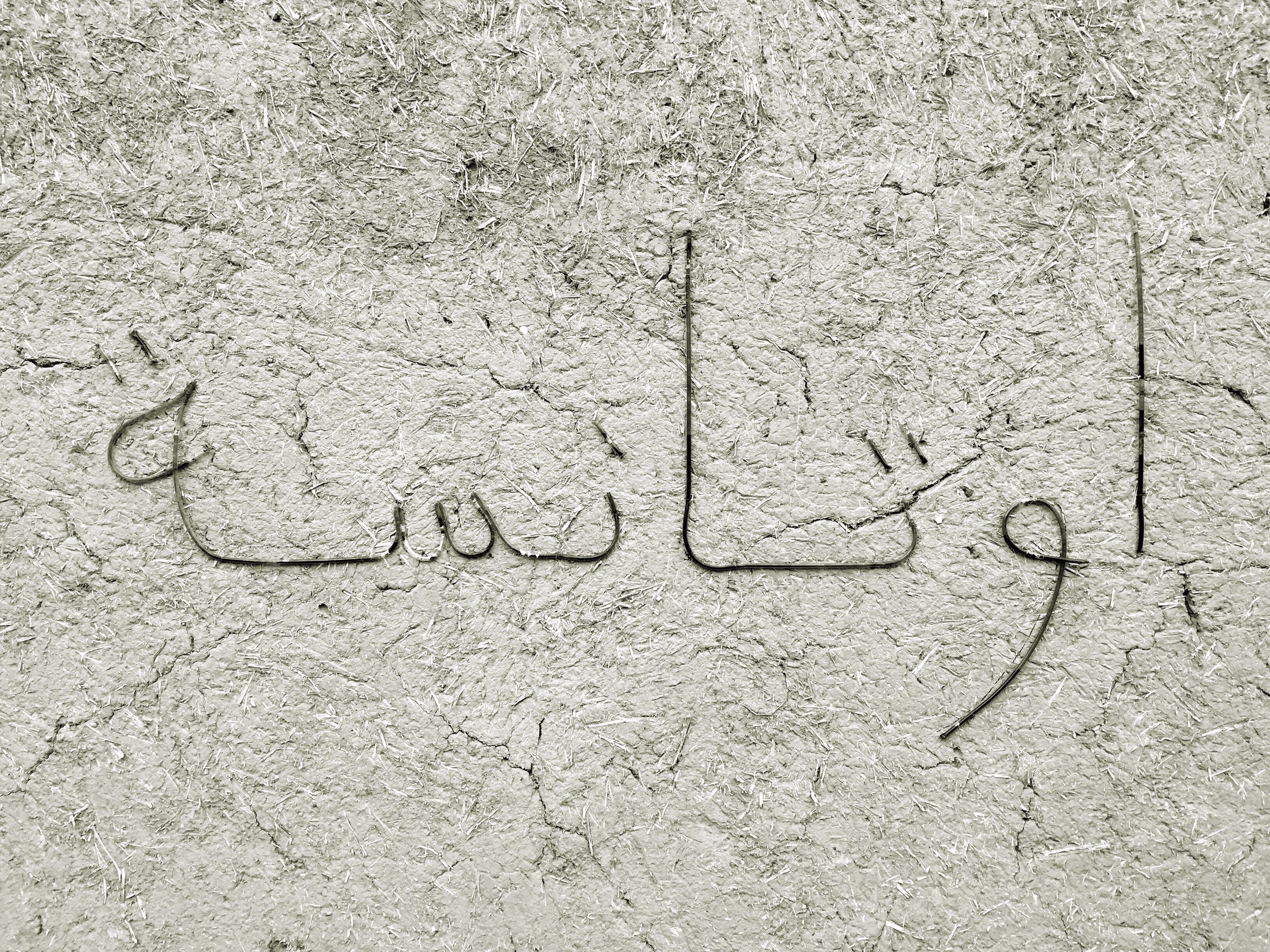
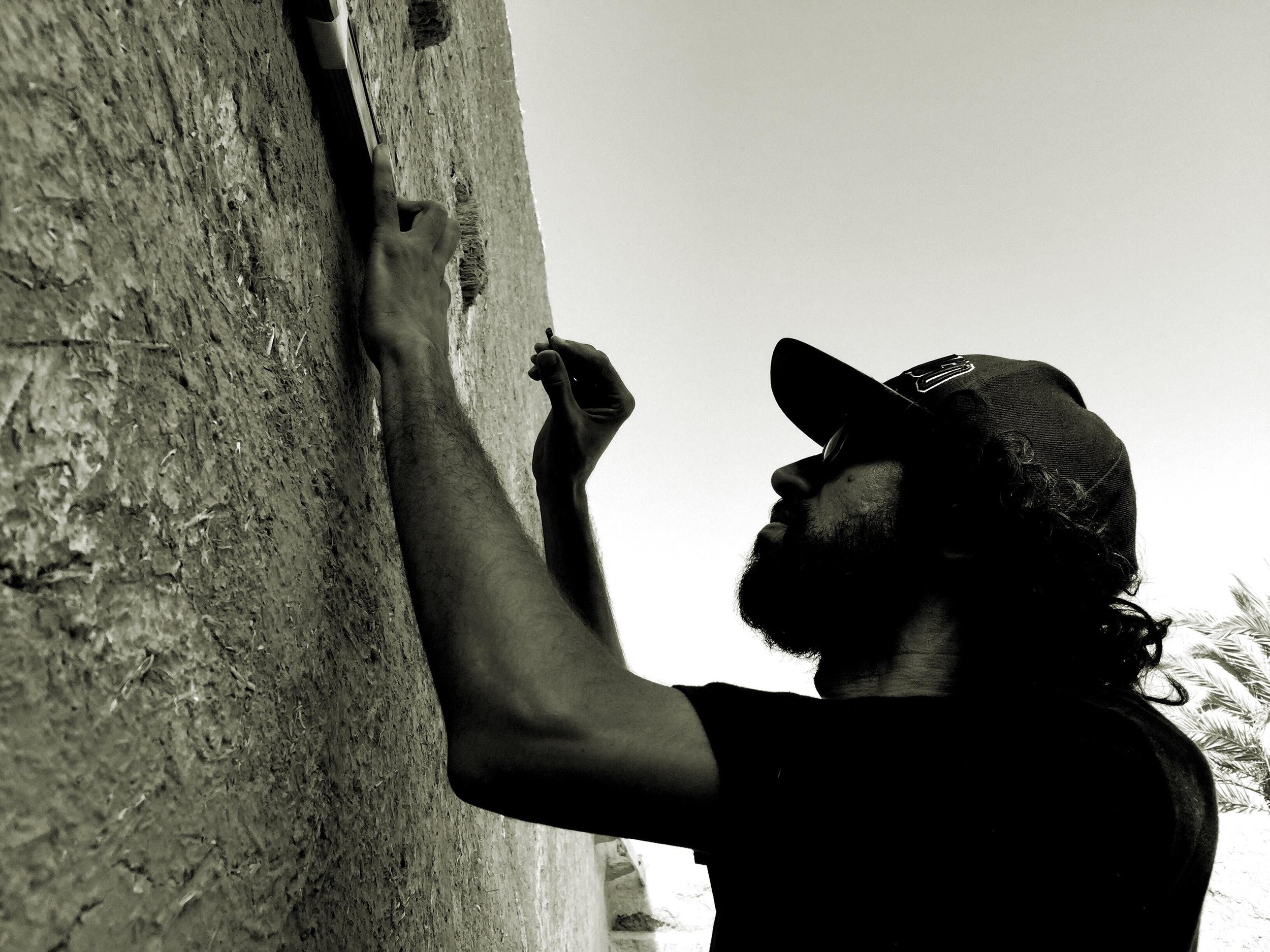
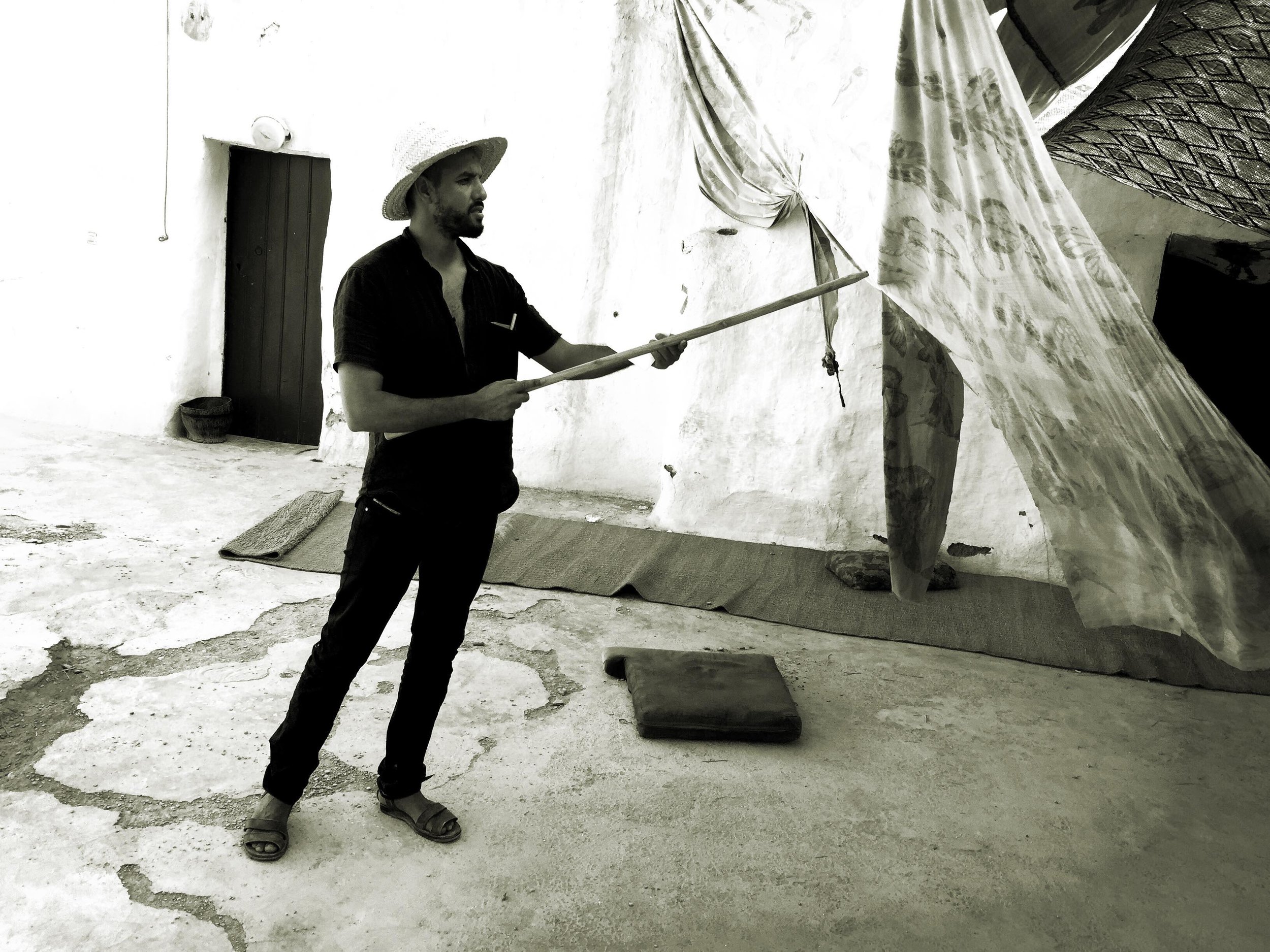
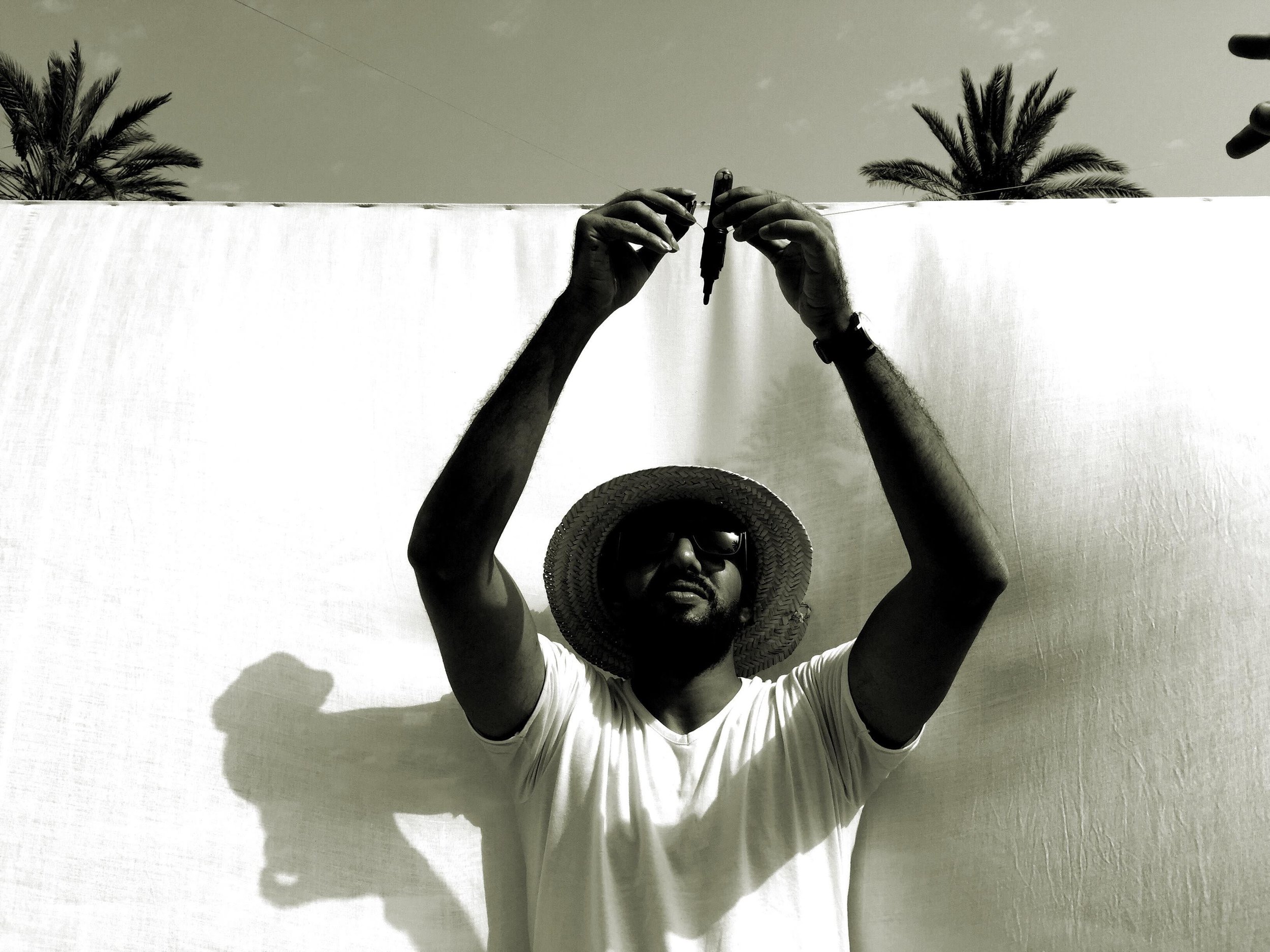
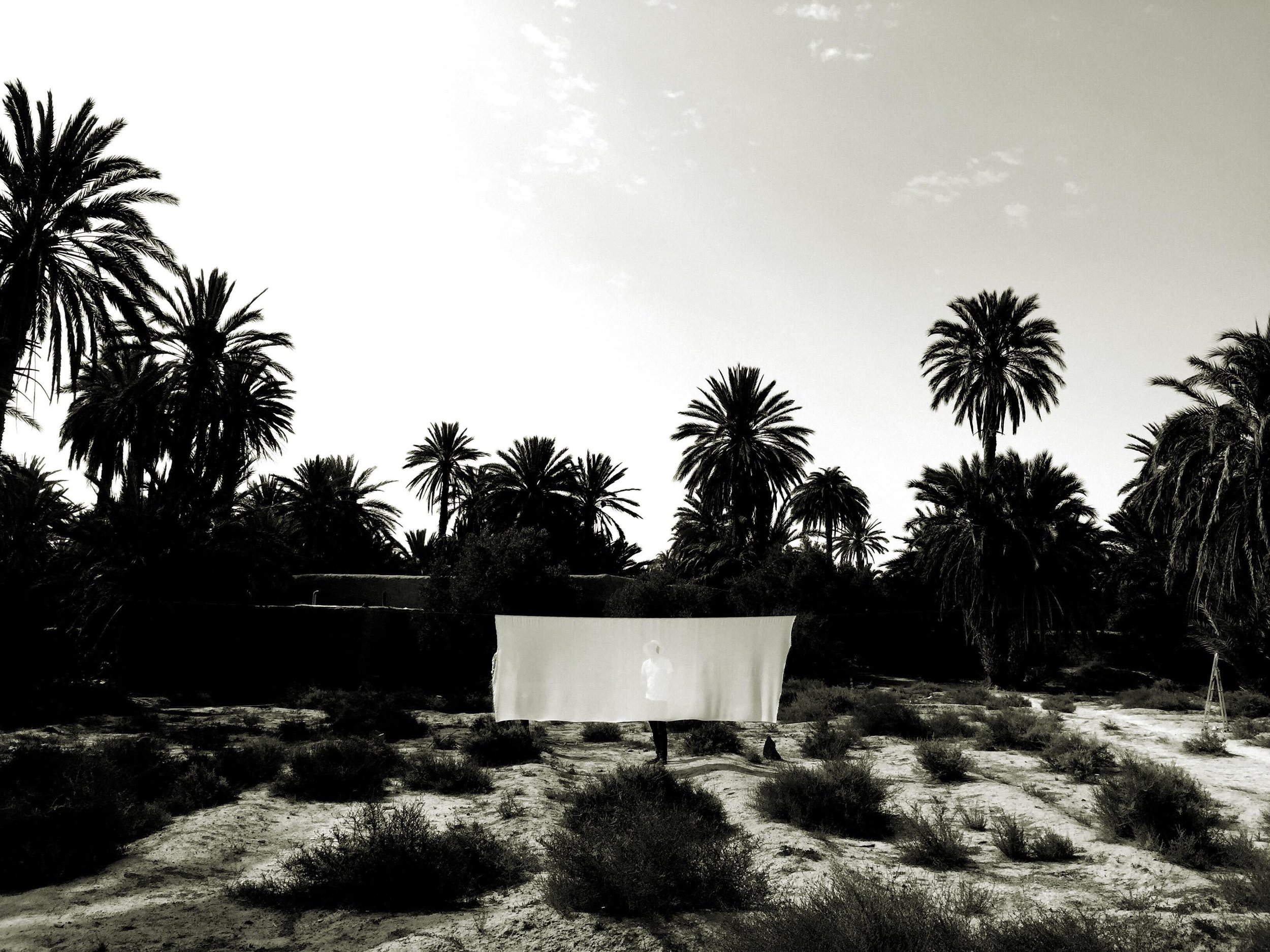
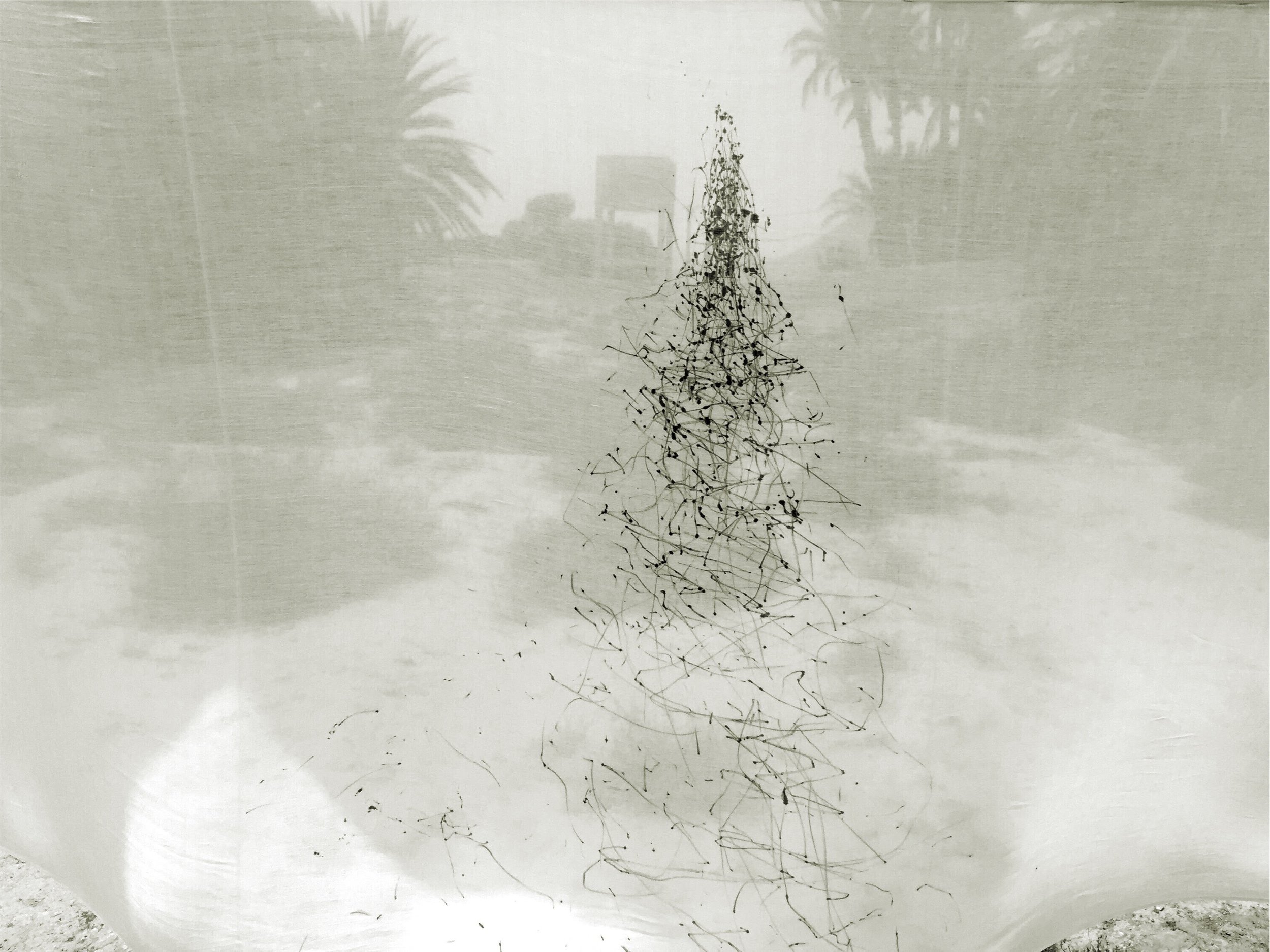
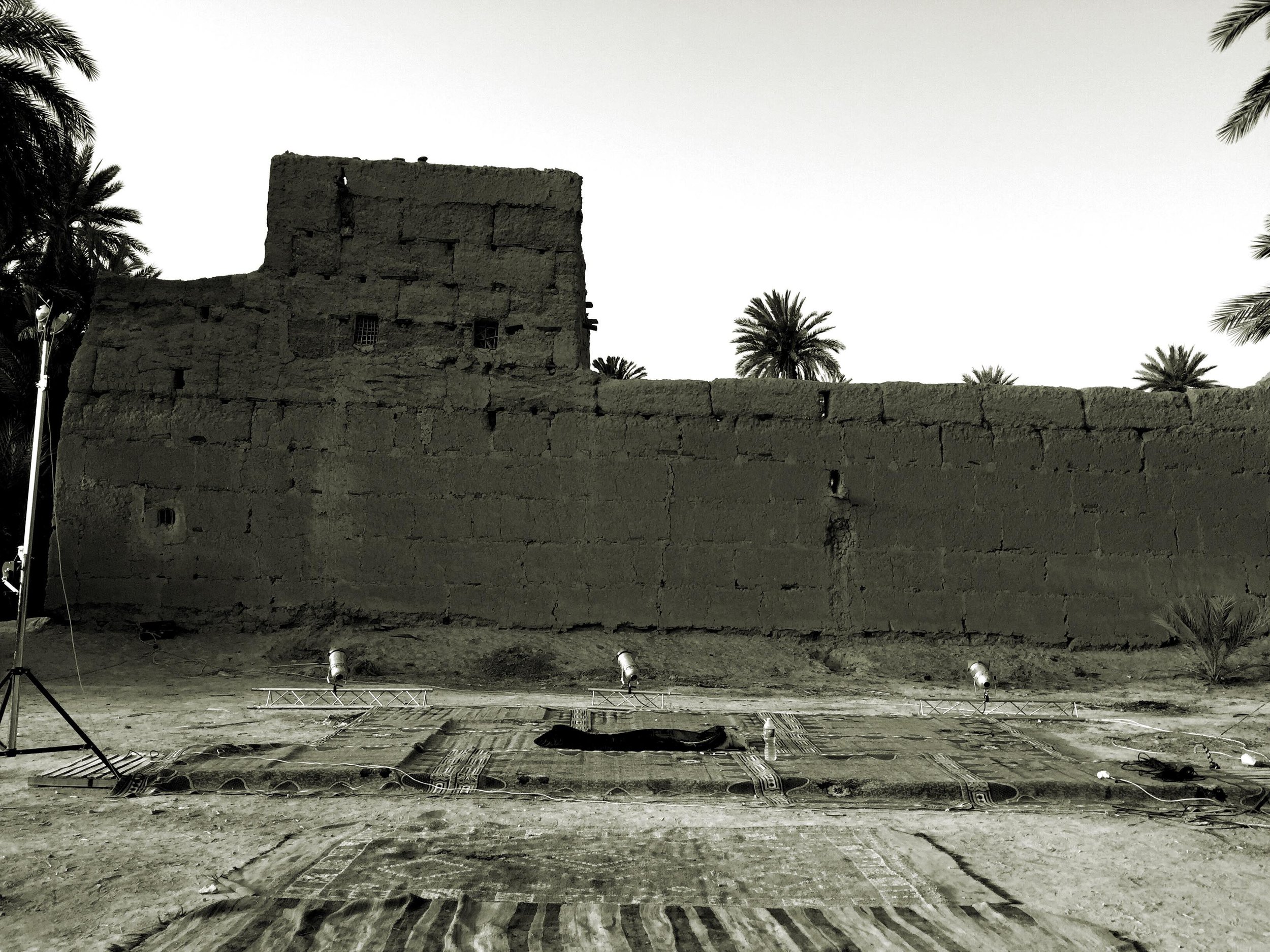
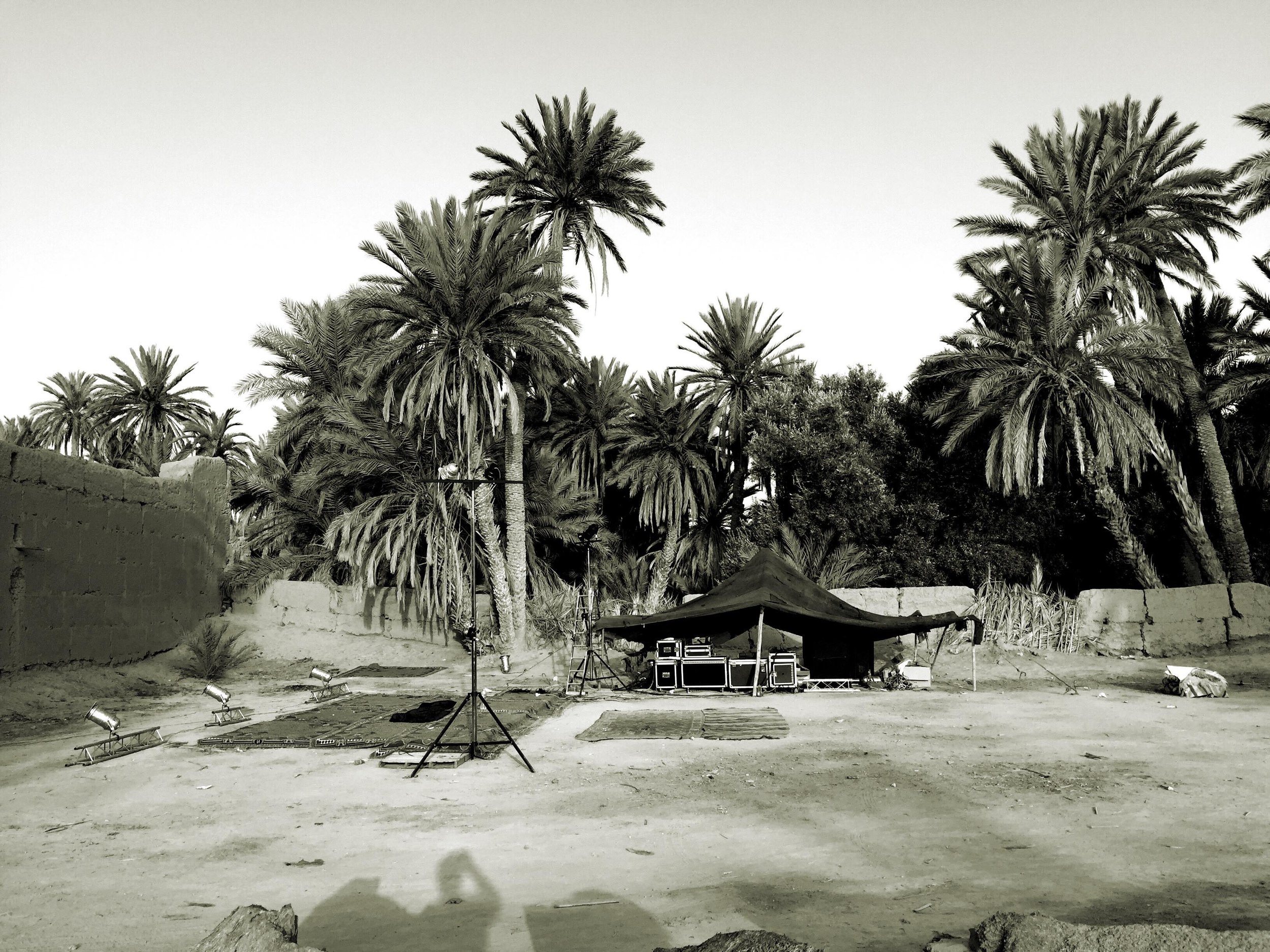
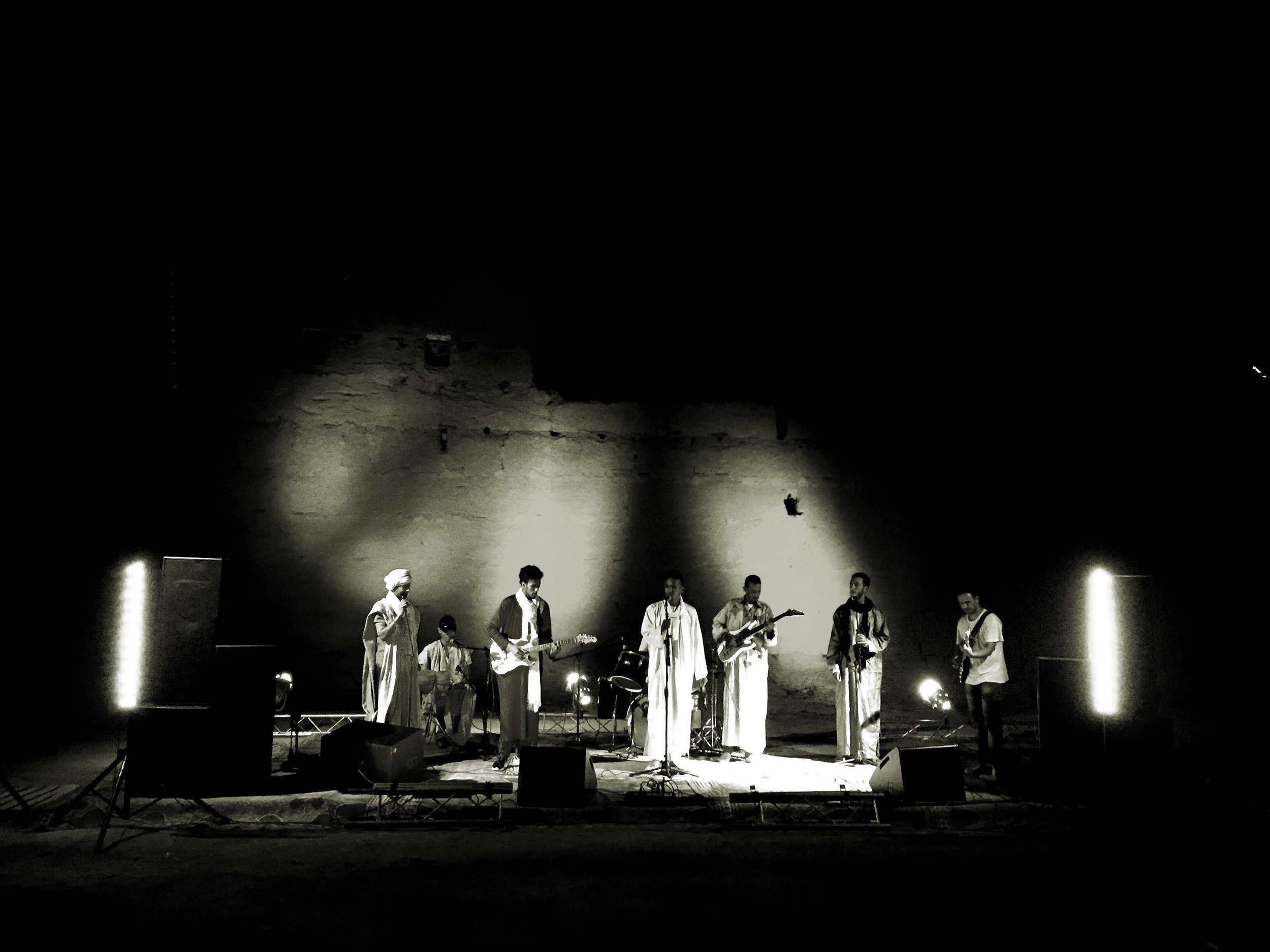
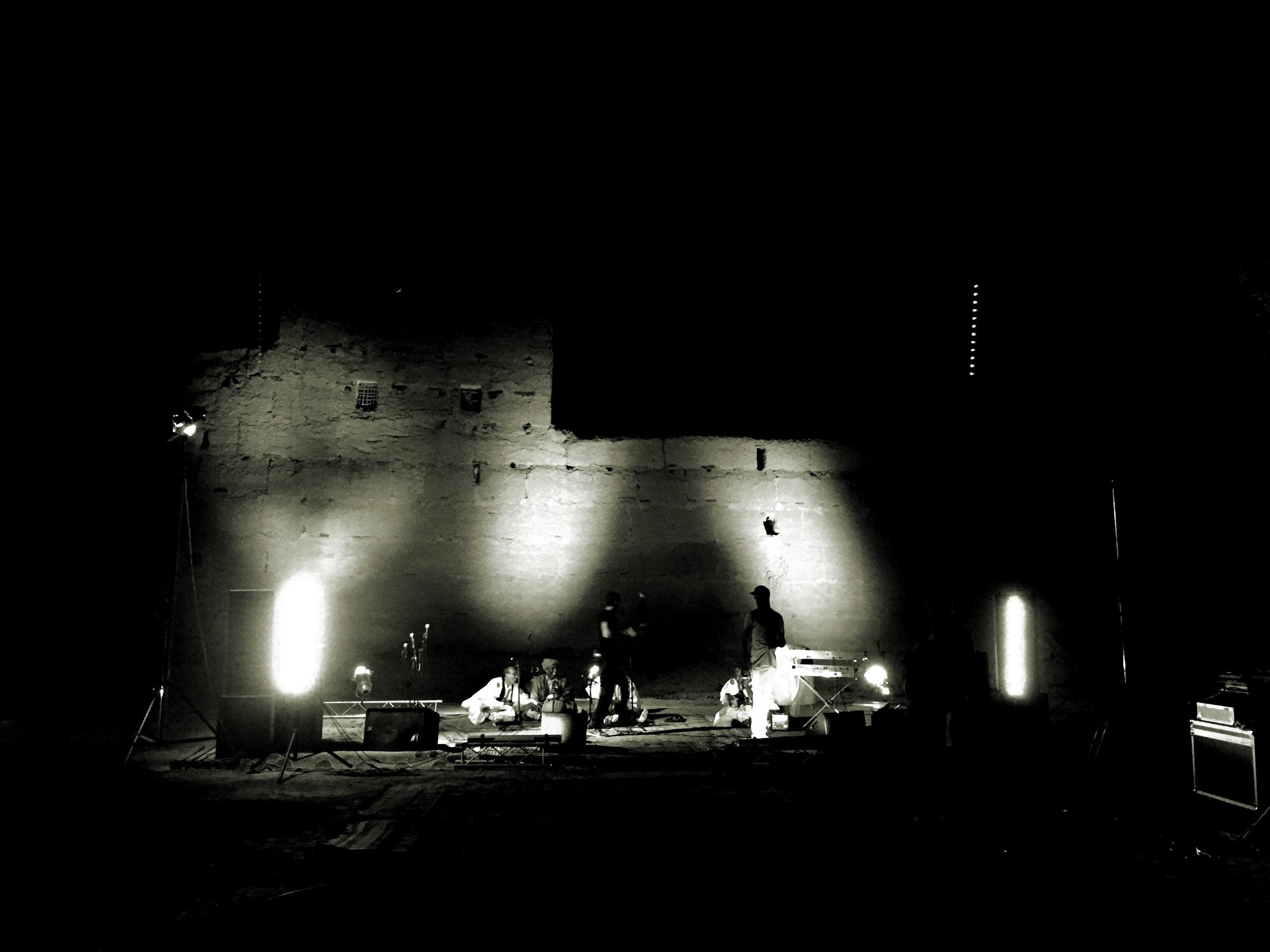
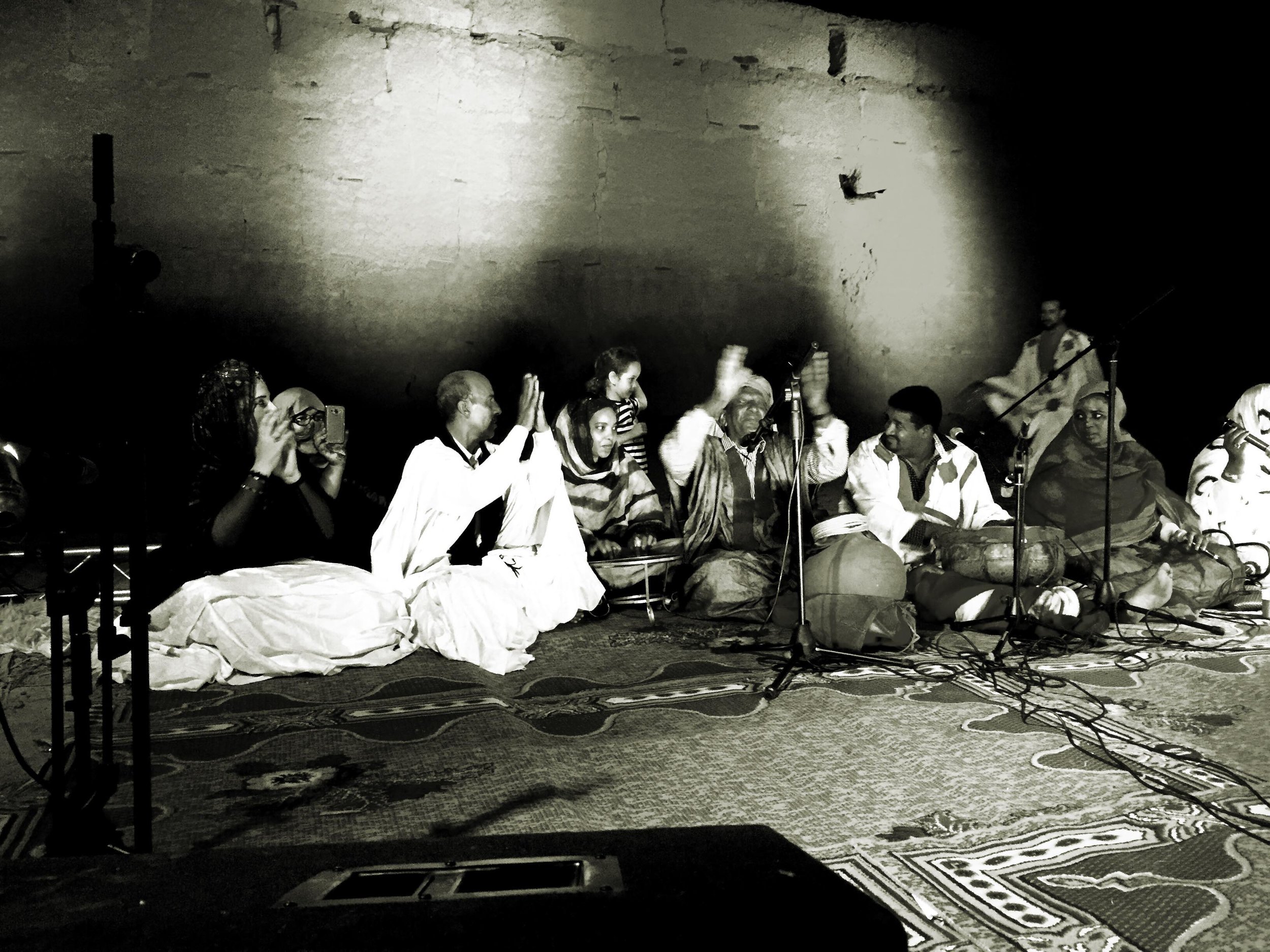
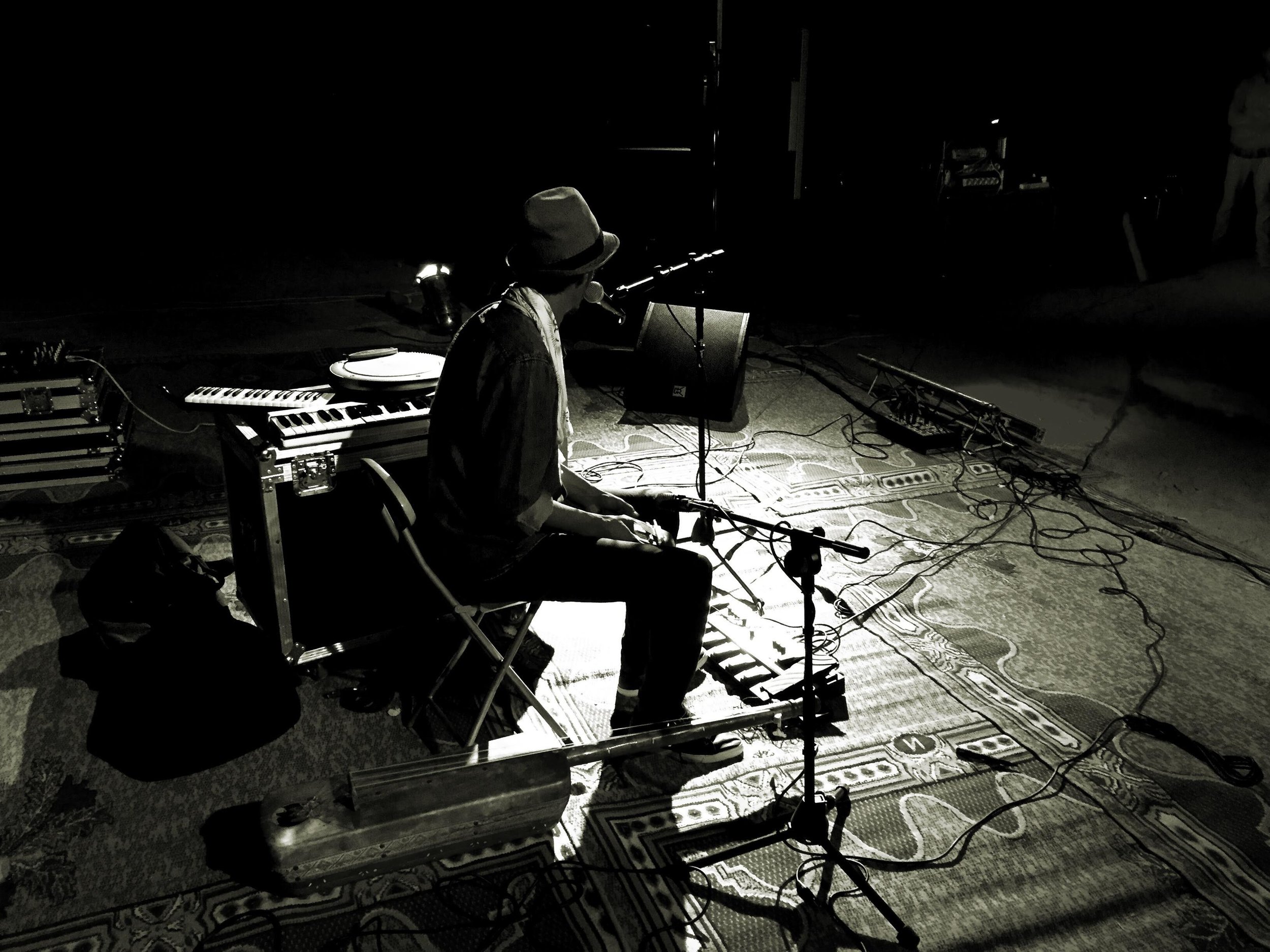
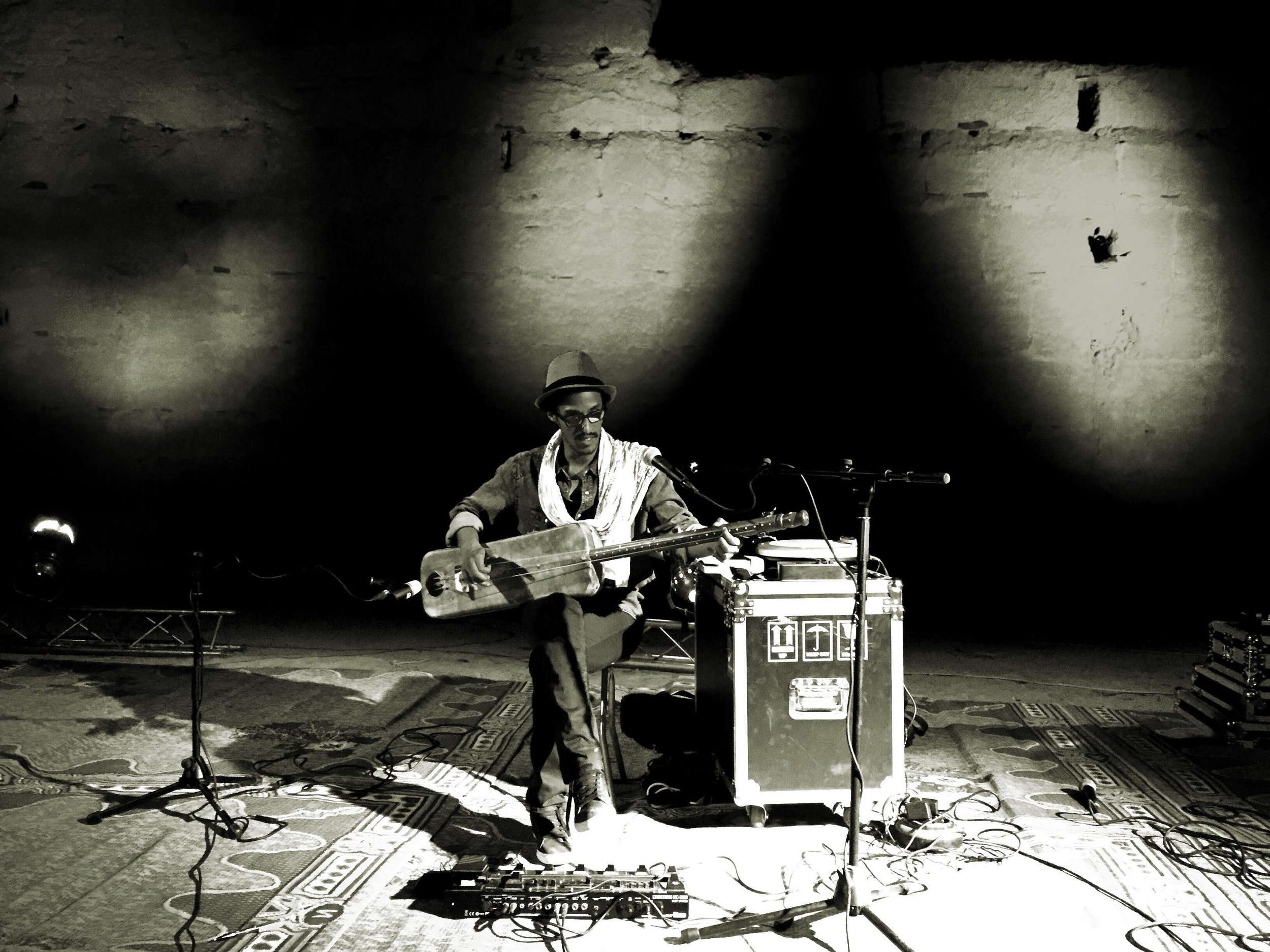
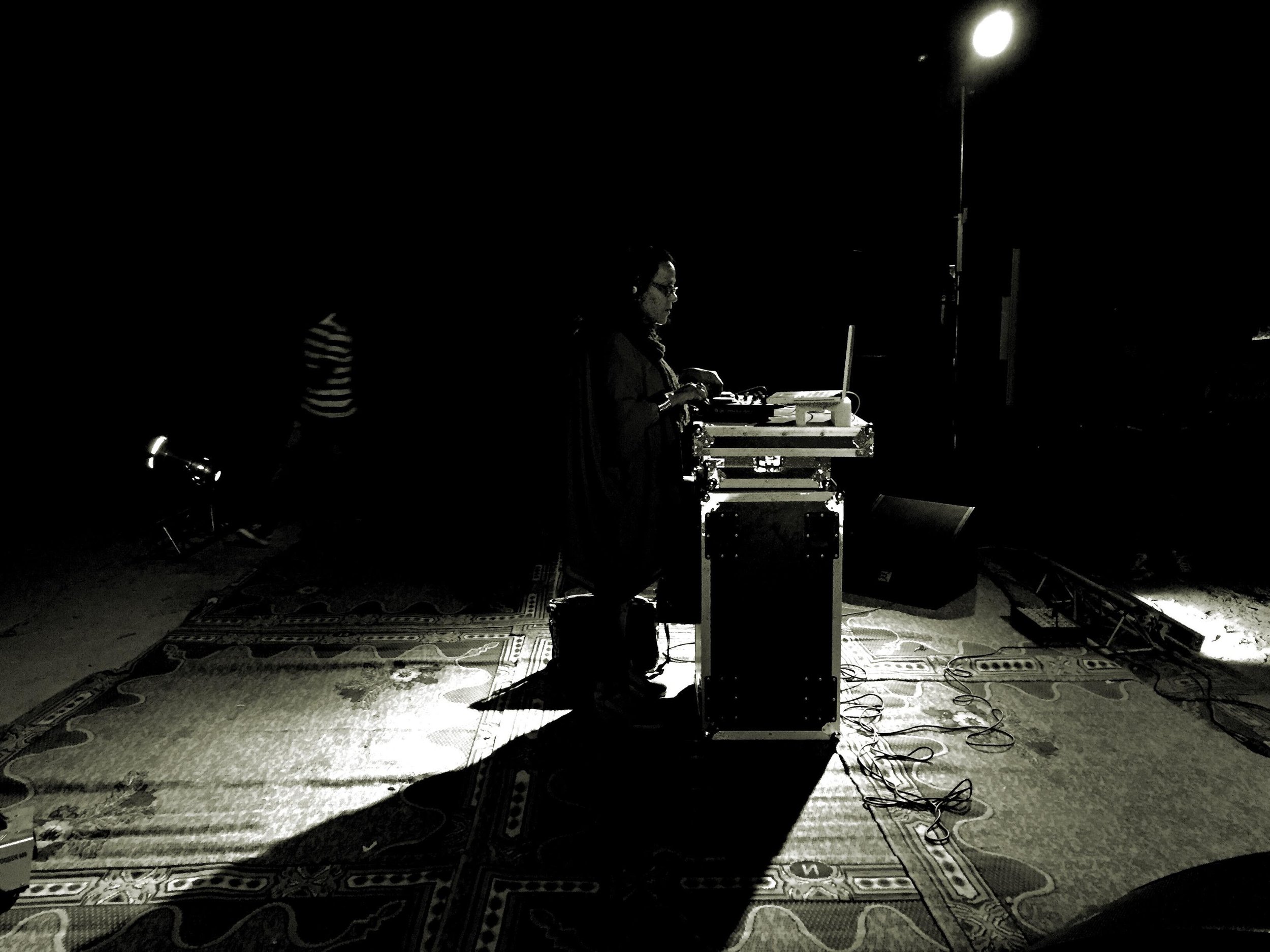
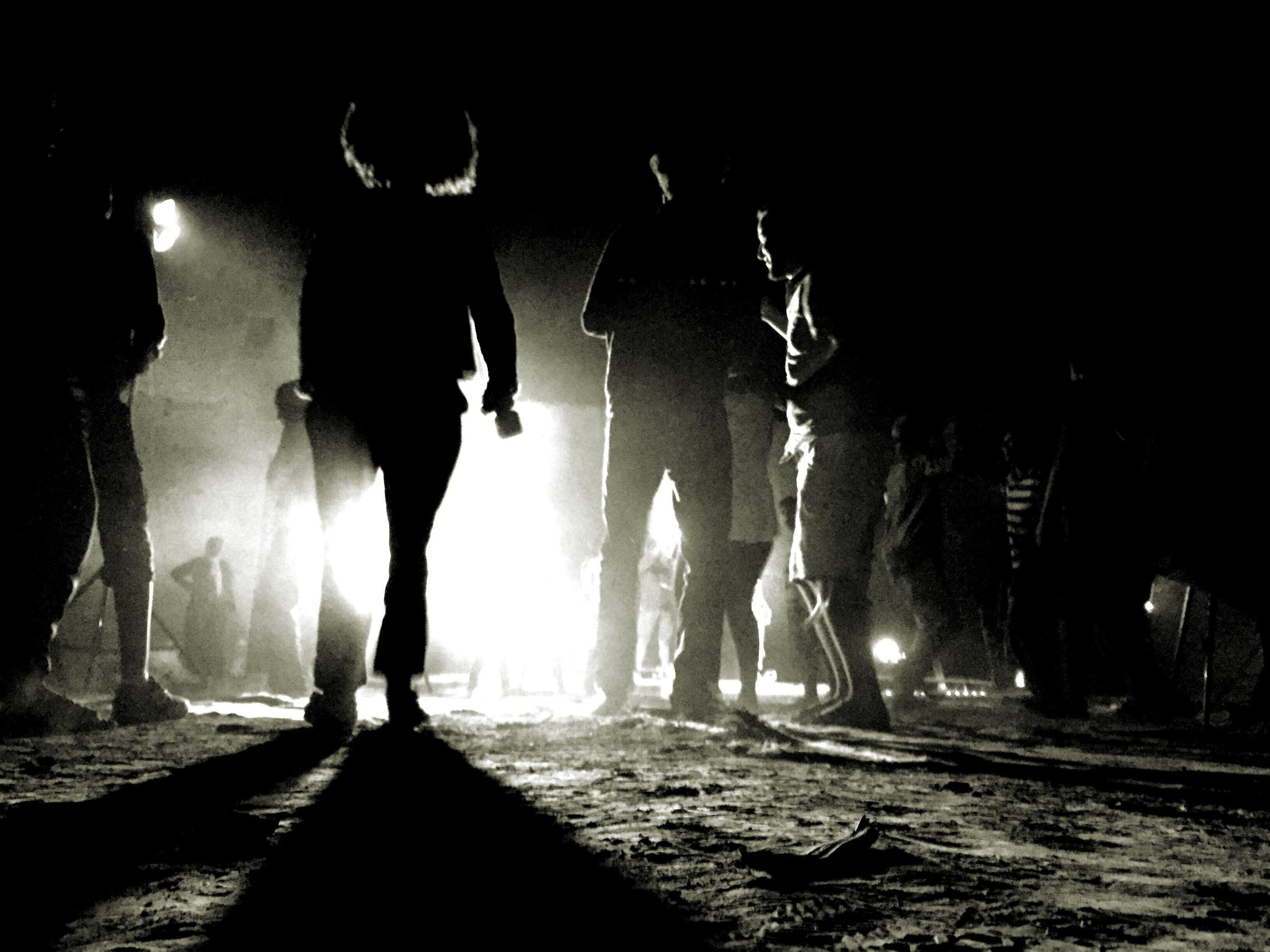
In 2015, we contacted some journalists to cover the event, only one from medias24 came, the others wanted us to pay their trips and accommodations. If we could not afford it for the artists, we were not going to pay for the journalists. The problem was that they did not even want to talk about us. In that situation, we decided to do not try anymore with traditional medias, basing our communication on social networks and on our website, which became an online archive with all the activities. For us, it was also a pleasure to research on communication, just using a smart phone (with gimbal and microphone). You will find all the vides in our YouTube channel.
As I said, we did not pretend to organise an exhibition, but in this occasion, half of the artists already knew the place, so for them it was easier to produce something, which was not the case of others that tried to do an art installation without giving themselves the time to research. For us it was important to notice how difficult it was for young artists to spend some time thinking and learning and not producing. I understood it was for them an opportunity to show their works next to the others, but it showed also a lack of maturity, from my point of view.
We alway want artists to speak about their experiences during the gathering, about their expectations, their discovers, their works... It is a way to learn about our hits and misses that will let us improve the event in the future.
Again this event took place thanks to the generosity of private donors and collaborators, Maison Hassanie, Scout Tighmert, Maison Nomad, Sahara Noise Communication and the organisers (Association Amis du Festival Caravane Tighmert and Marsad Drâa), together we could cover the budget of 20.000 Dh (1.850 €).
Budget Caravane Tighmert 2016: 22.000 Dh (2.075 €)