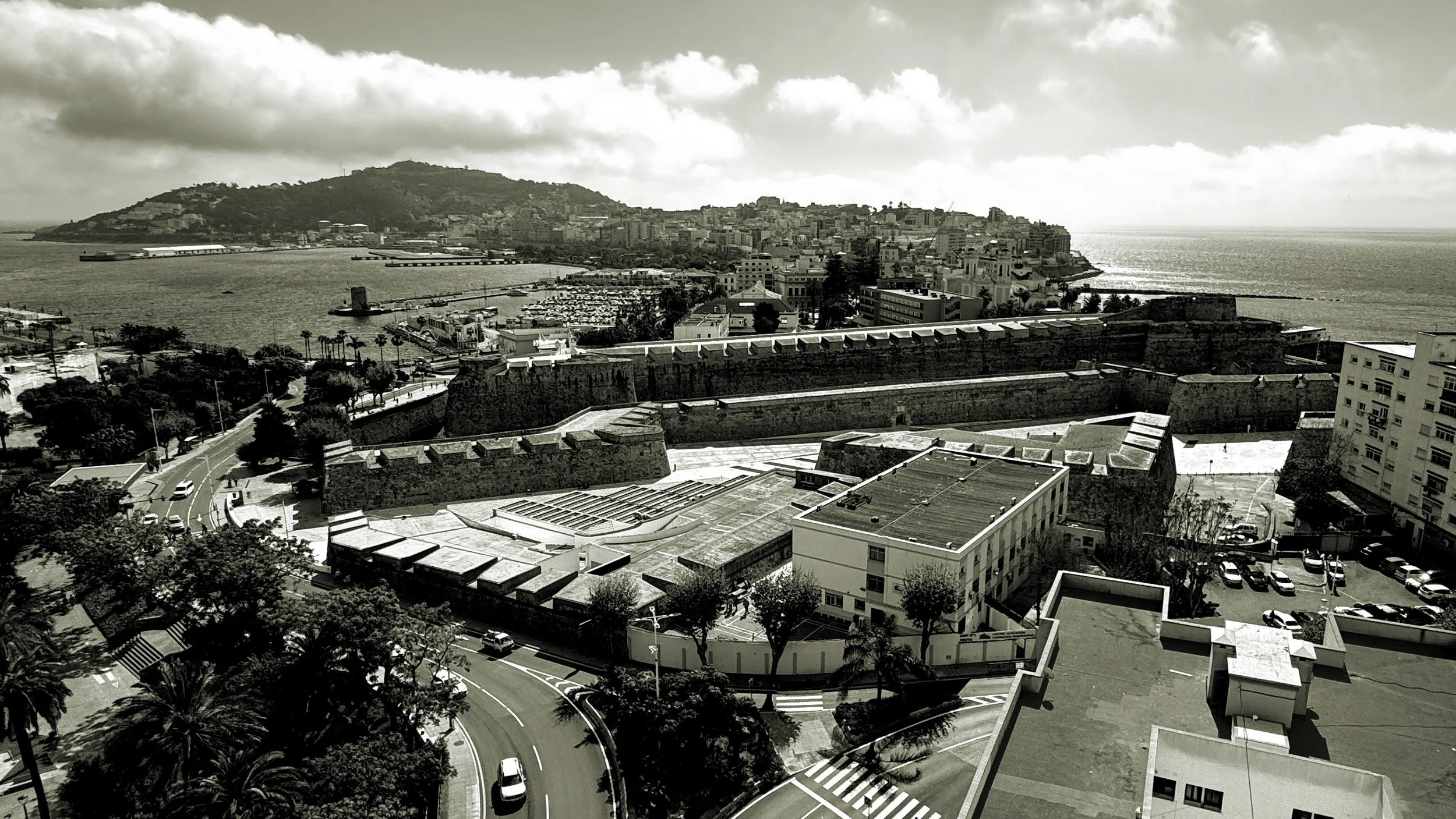
Contemporary awareness of the past
Transfretana 11 (IEC)
00. Preface
The importance of heritage and history is often mentioned when analysing the contemporaneity of societies, but in most cases, there is no true awareness of what that past means and its role in building the identities of a country, a city, or a person. These reflections form part of this 11th issue of the Transfretana publication by the Instituto de Estudios Ceutíes, which was presented on 24 September 2026.
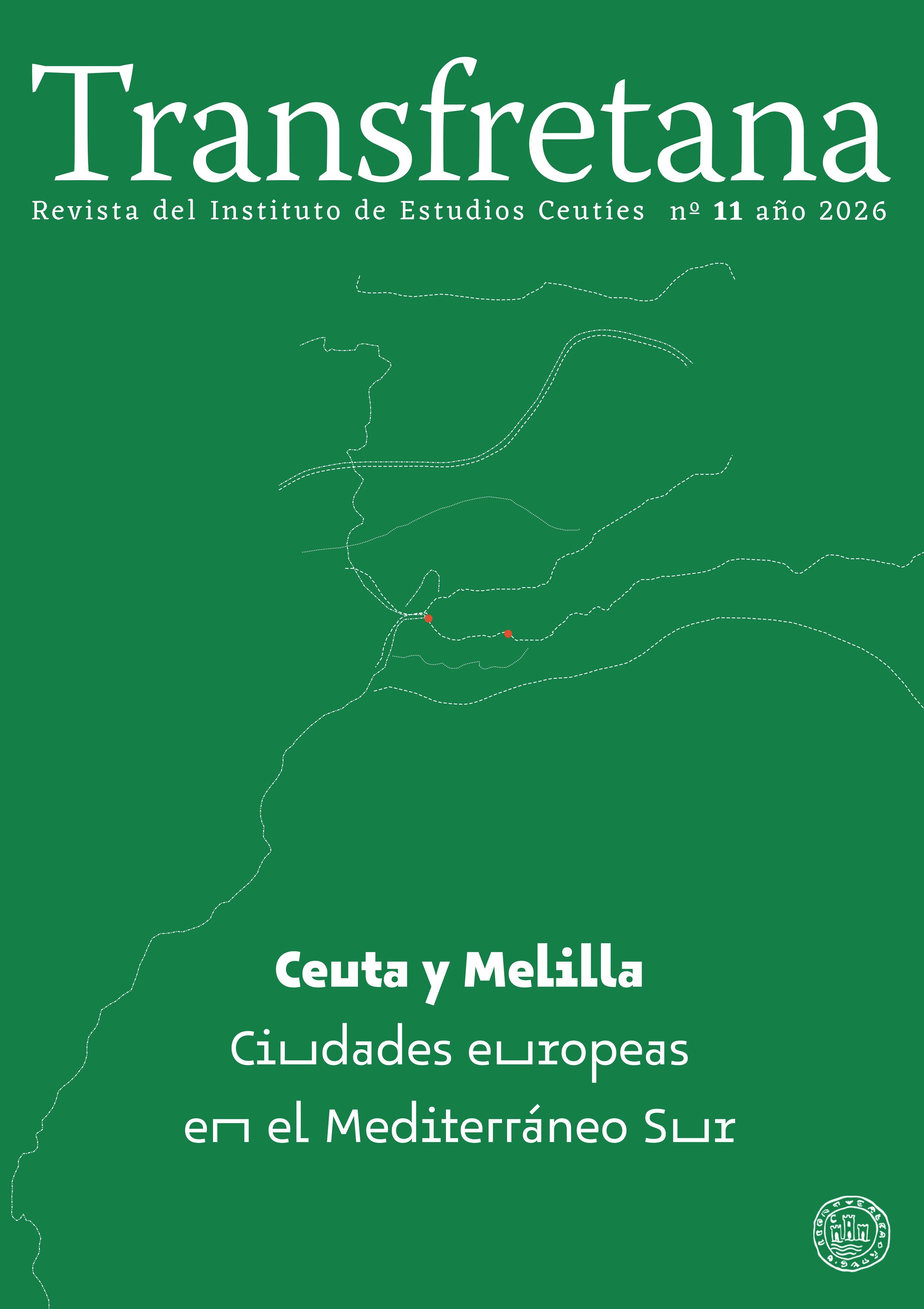
In the introduction, the coordinator of the publication and Dean of the Social Sciences Section of the Institute, Adolfo Hernández Lafuente, provides the following summary:
Carlos Pérez Marín is an architect, researcher, lecturer, cultural activist, and full member of the Institute of Ceutan Studies; he develops his work in fields such as urban planning, architecture, heritage, contemporary art, and new technologies; he organises architecture workshops as well as artistic and research residencies in the Sahara Desert, both in Morocco and Mauritania. He has lectured at the National School of Architecture in Tétouan and has directed the Puerta Califal Workshop School, which created the Cultural Heritage of Ceuta website in 2025.
The author’s professional and cultural activist experience, gained in both European and several African countries, is uniquely poured into this article to undertake a multicultural reflection that investigates the present through complex historical fluctuations. He confesses that his original idea was to recount the shared historical heritage between Ceuta and Morocco to show everything we have in common, alongside the shifting of borders throughout history, but he encountered the difficulty of explaining the consequences of that past in the current era of contemporary relations between Morocco and Spain, which he considered heavily conditioned by prejudice and superficiality.
From this intimate confrontation of someone who defines himself as a North African architect, a highly original work has emerged, providing an analysis of the contemporary awareness of the past, with deeply personal interpretations and inquiries. All of these converge into an essay on the relations between Spain and Morocco, focused on the historical vicissitudes of the cities of Melilla and Ceuta, offering a rich analysis of the implications this has for the construction of the identity of both cities.
The article contains numerous conclusions and a wealth of information, the primary conclusions being those derived from the history of Ceuta, which is fully linked to its geographical position in the Strait of Gibraltar. However, to provide some indication, the magnitude of the author's effort extends to matters such as the following: a cartography of borders that positions the two African cities in relation to a multitude of regions over the centuries (cartography produced for the following centuries: 2nd, 6th, 10th, 11th, 12th, 14th, 15th, 16th, 20th, and 21st); the history of Ceuta through the historical heritage that has reached us from each period, from prehistory to the 21st century, passing through all relevant periods (Prehistory, Phoenician Antiquity, Rome, Byzantium, the Middle Ages – Umayyads, Almoravids, Almohads, Azafids, and Marinids, the Early Modern Period – 15th to 18th centuries – and the Contemporary Era up to the 21st century); the study of concepts to understand North African history, clarifying their applications for a better comprehension of history; and an epilogue with several notions for interpreting history, the magnitude of shared heritage, positions between Islam and Spain, the construction of identities, migratory identities, and Africanity; and, finally, conclusions based on a highly significant history, with a multitude of changes culminating in the definition of Ceuta as an African, European, and Mediterranean city from the perspective of its civilising roots.
CHAPTERS
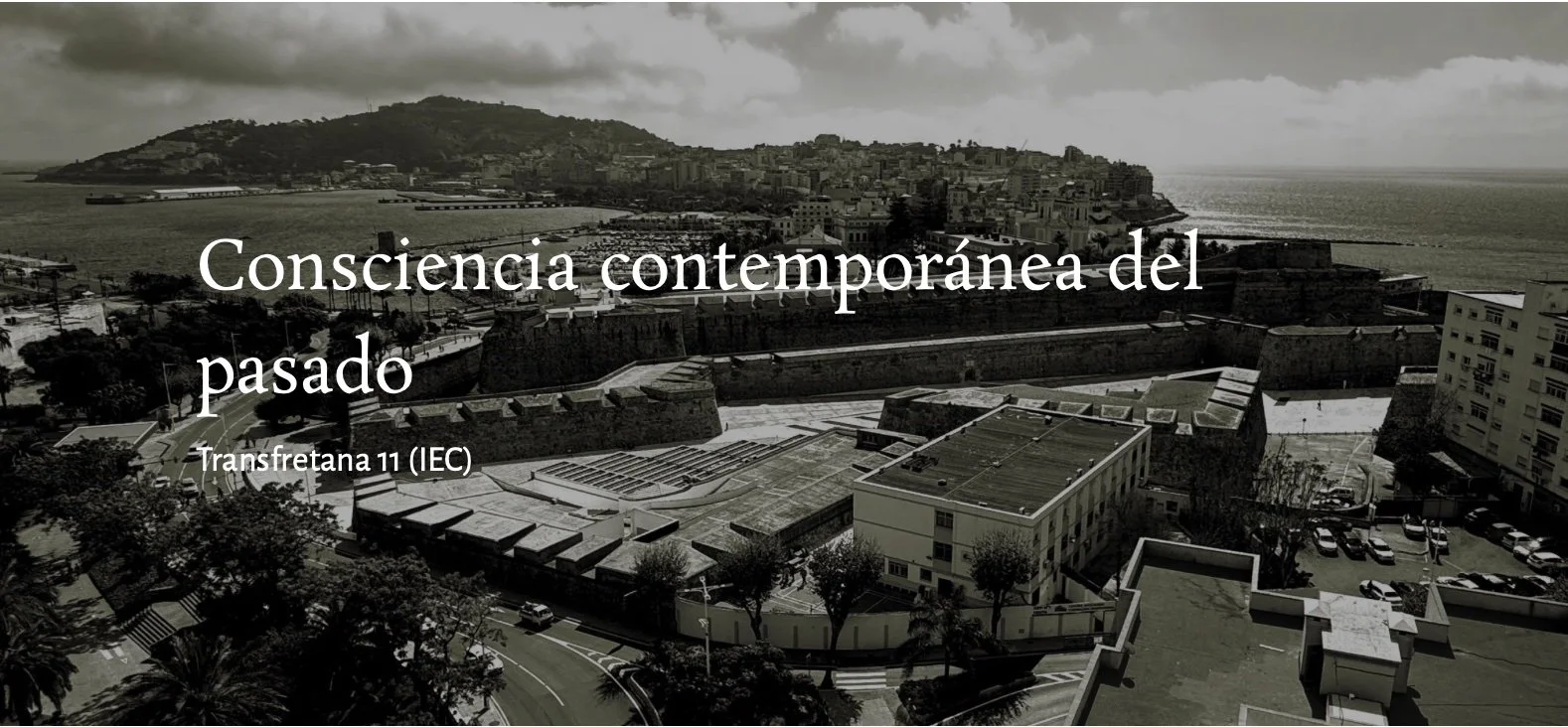
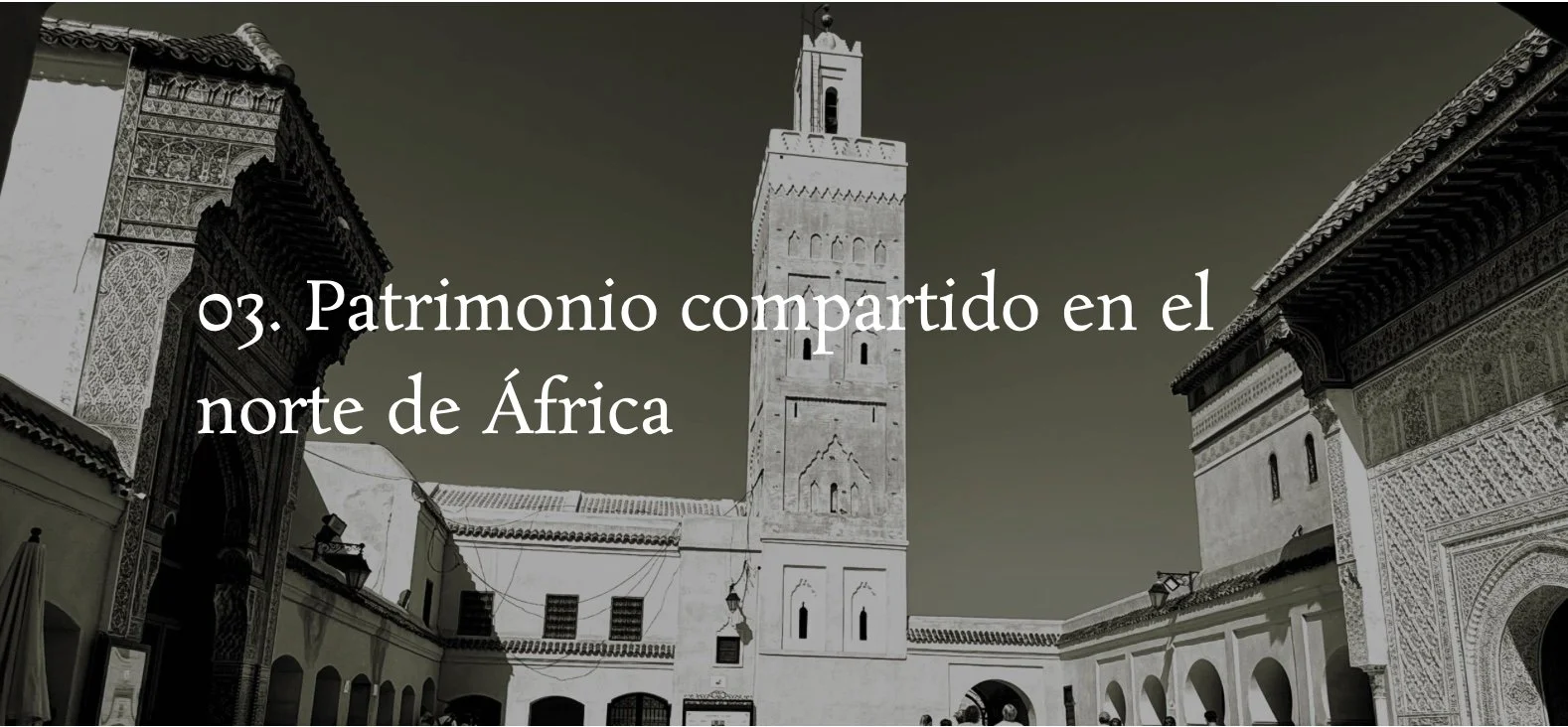
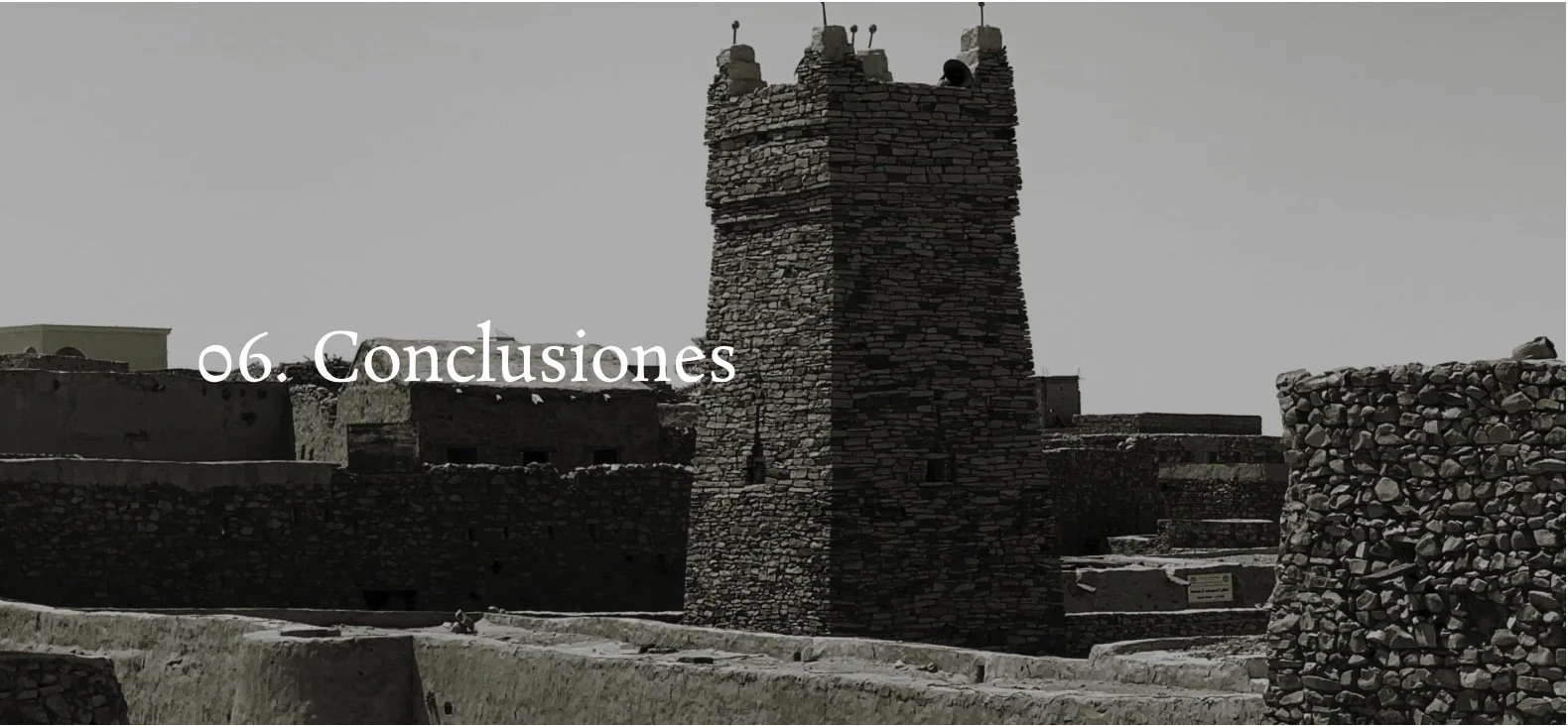
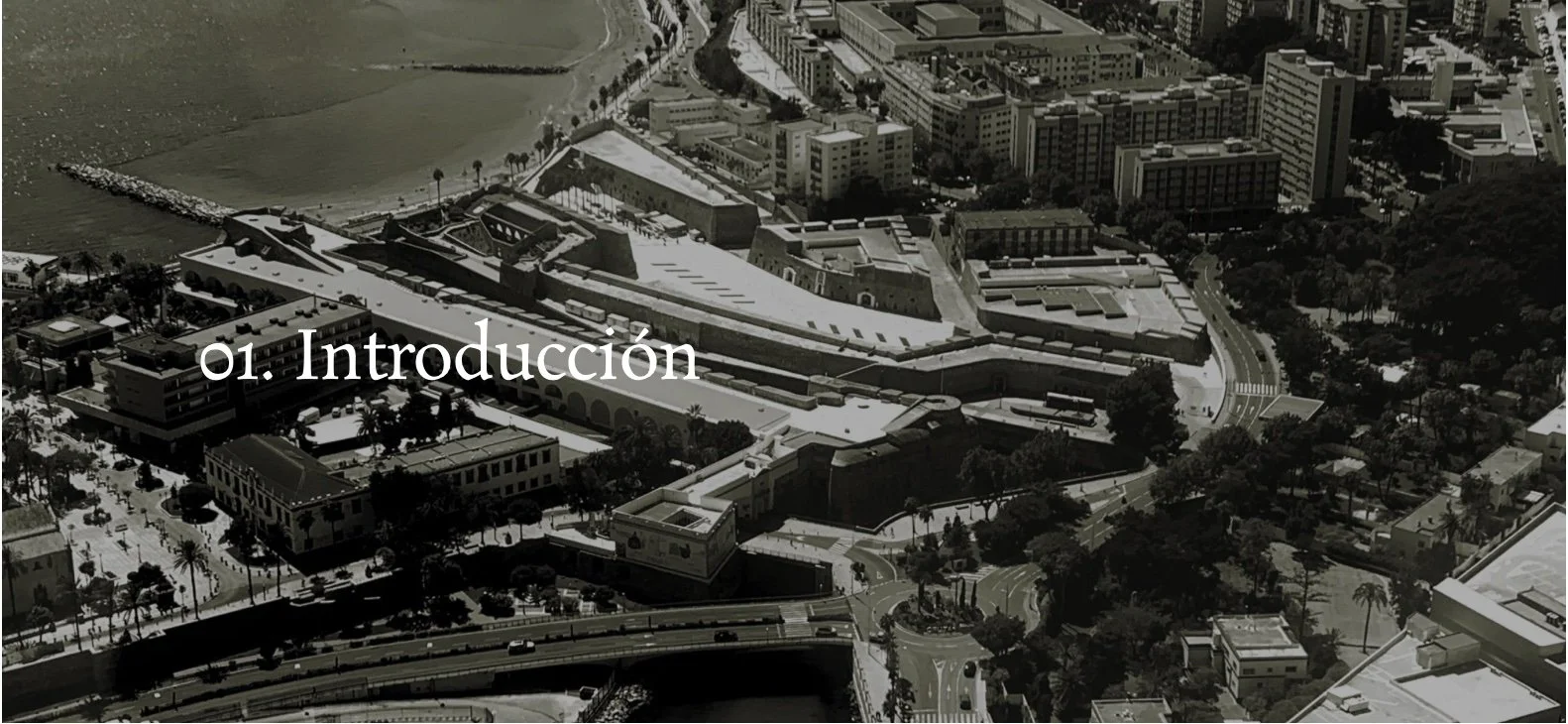
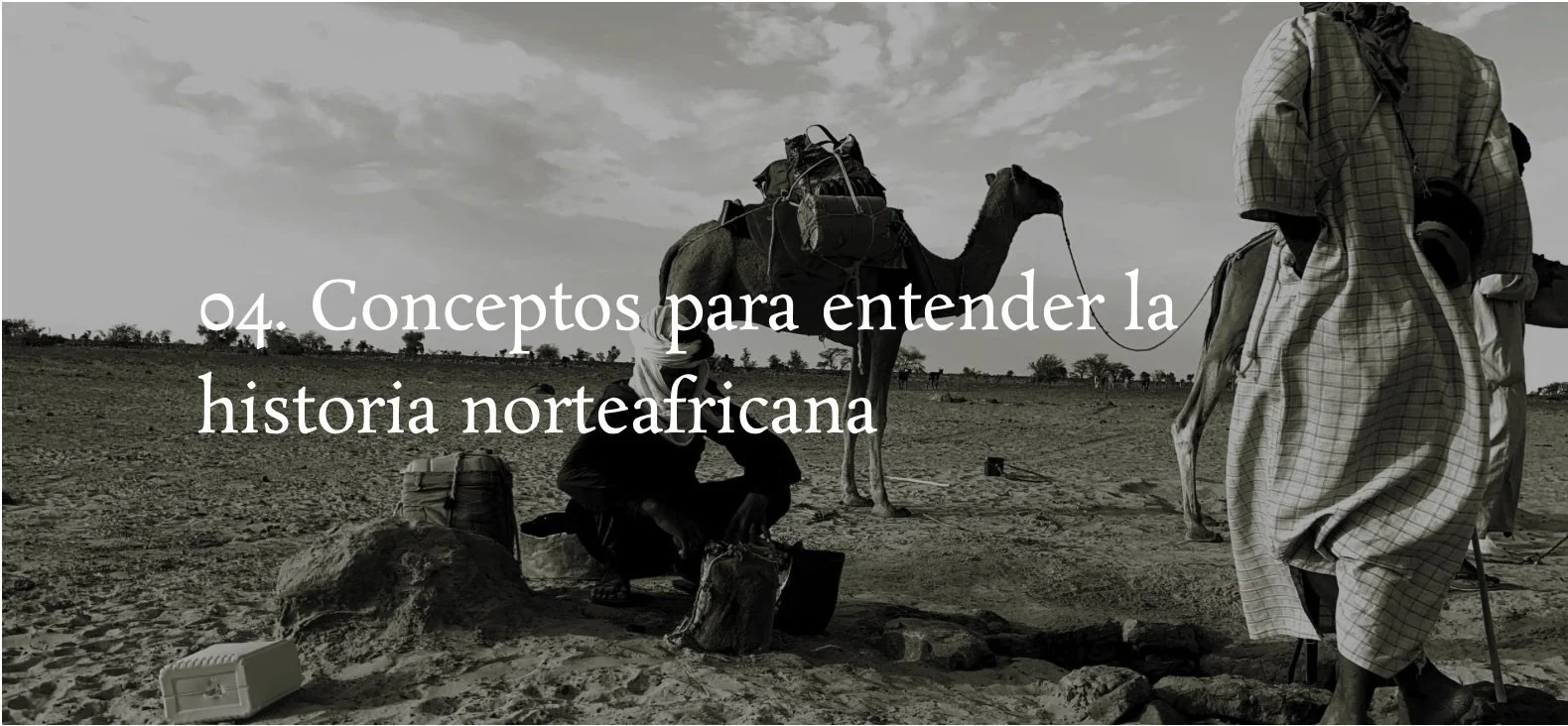
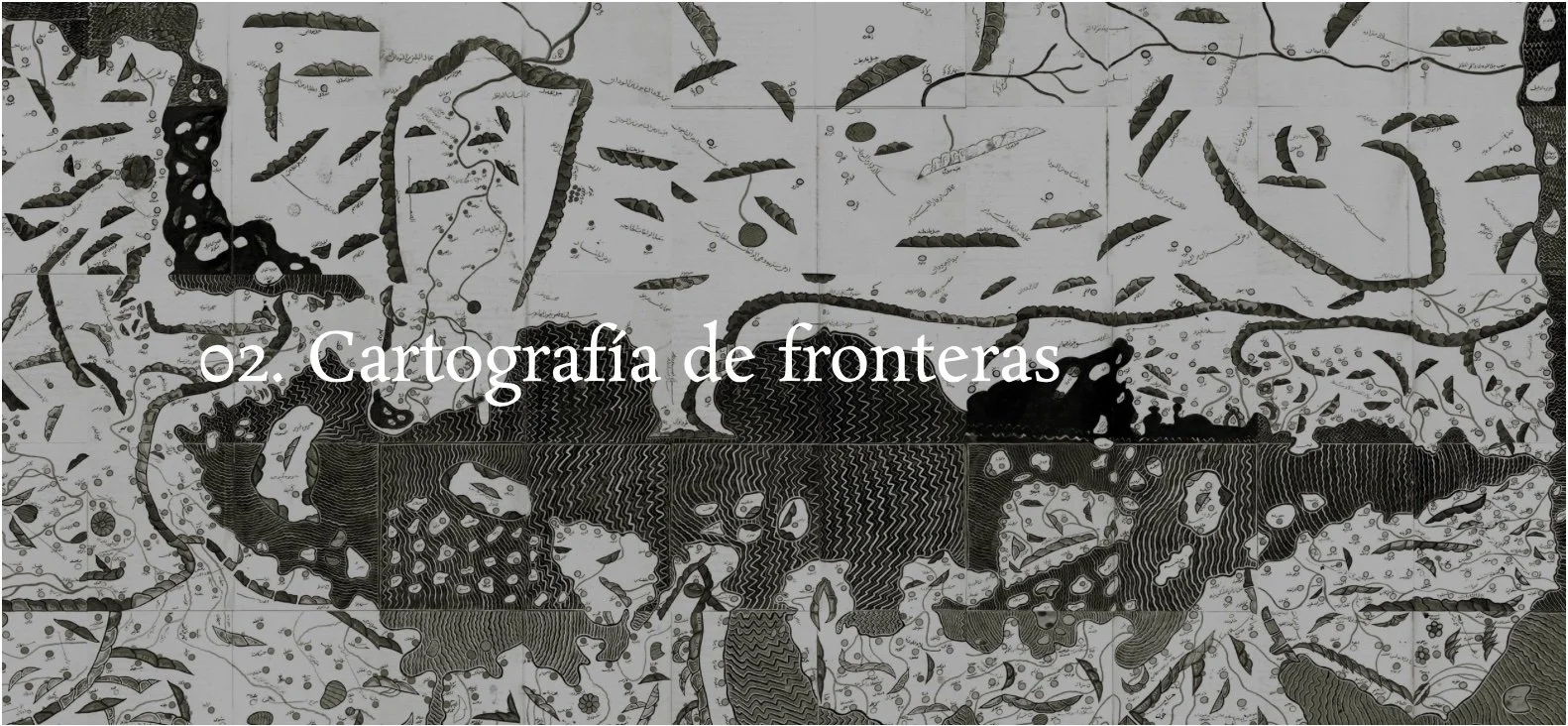
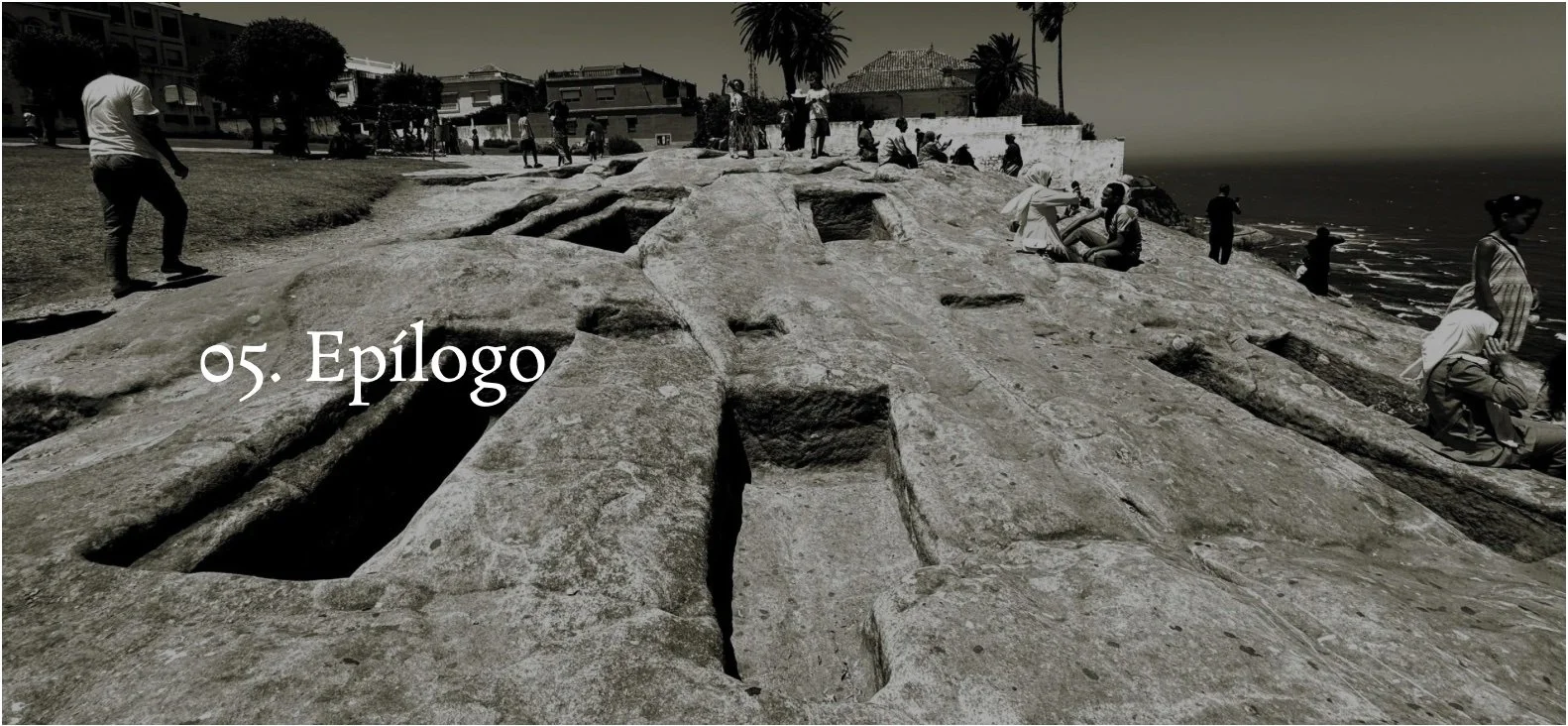
Cover images: 00. View of Ceuta / 01. Royal Walls of Ceuta / 02. Al-Idrisi’s Tabula Rogeriana / 03. Zawiya of Sidi Bel Abbes in Marrakesh / 04. Water well in Mauritania / 05. Phoenician-Punic tombs in Tangier / 06. Punic necropolis in Tangier
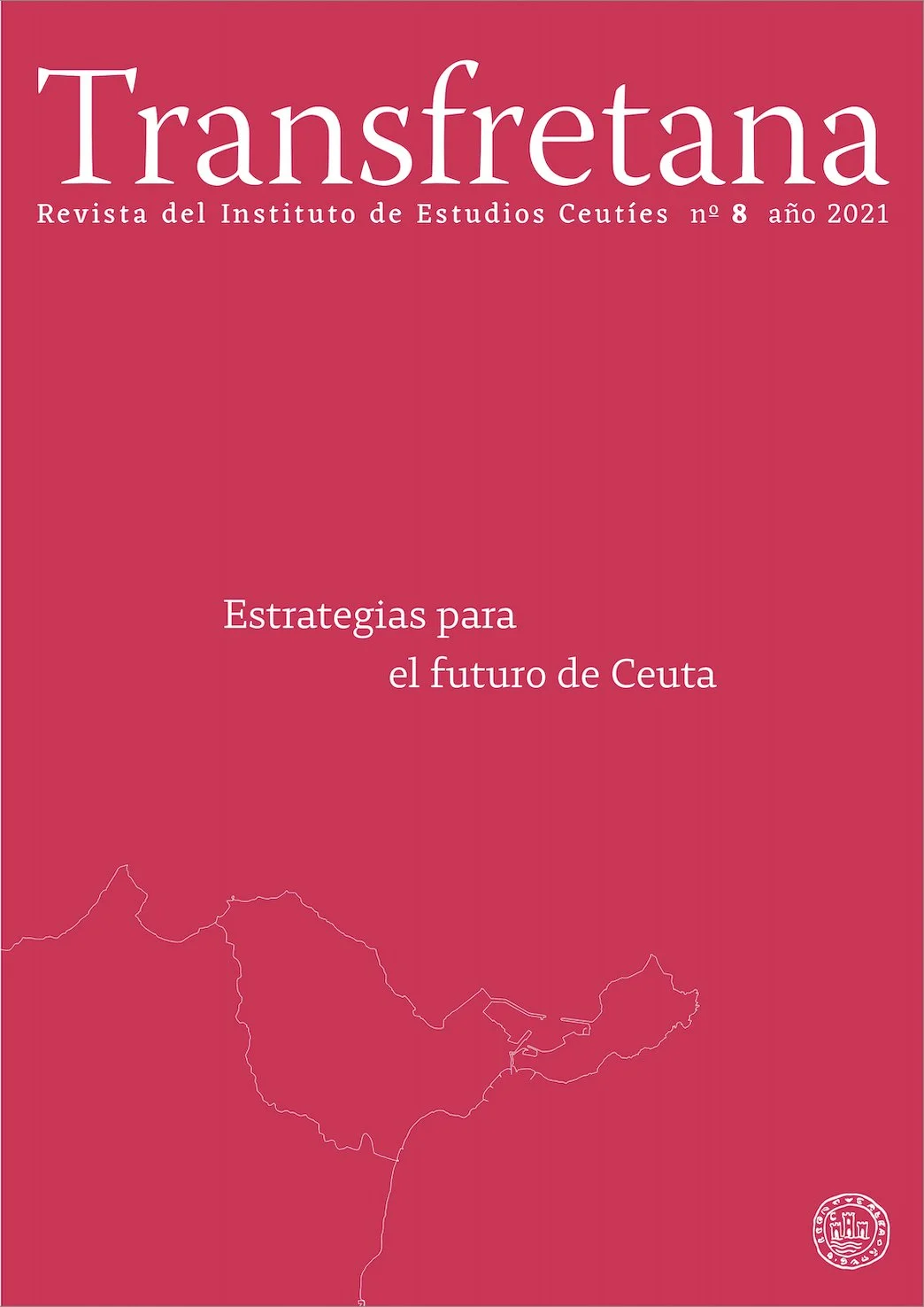
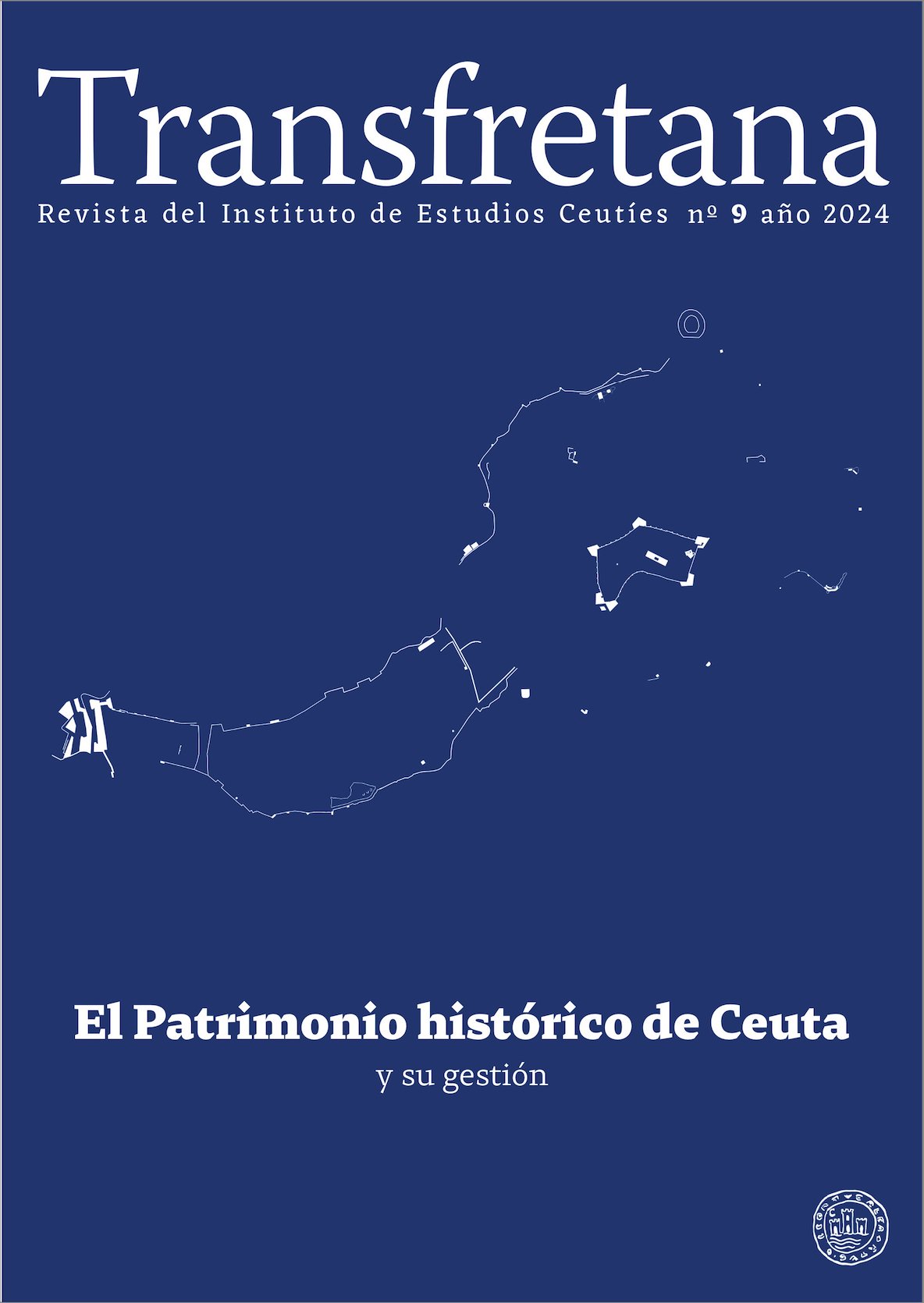
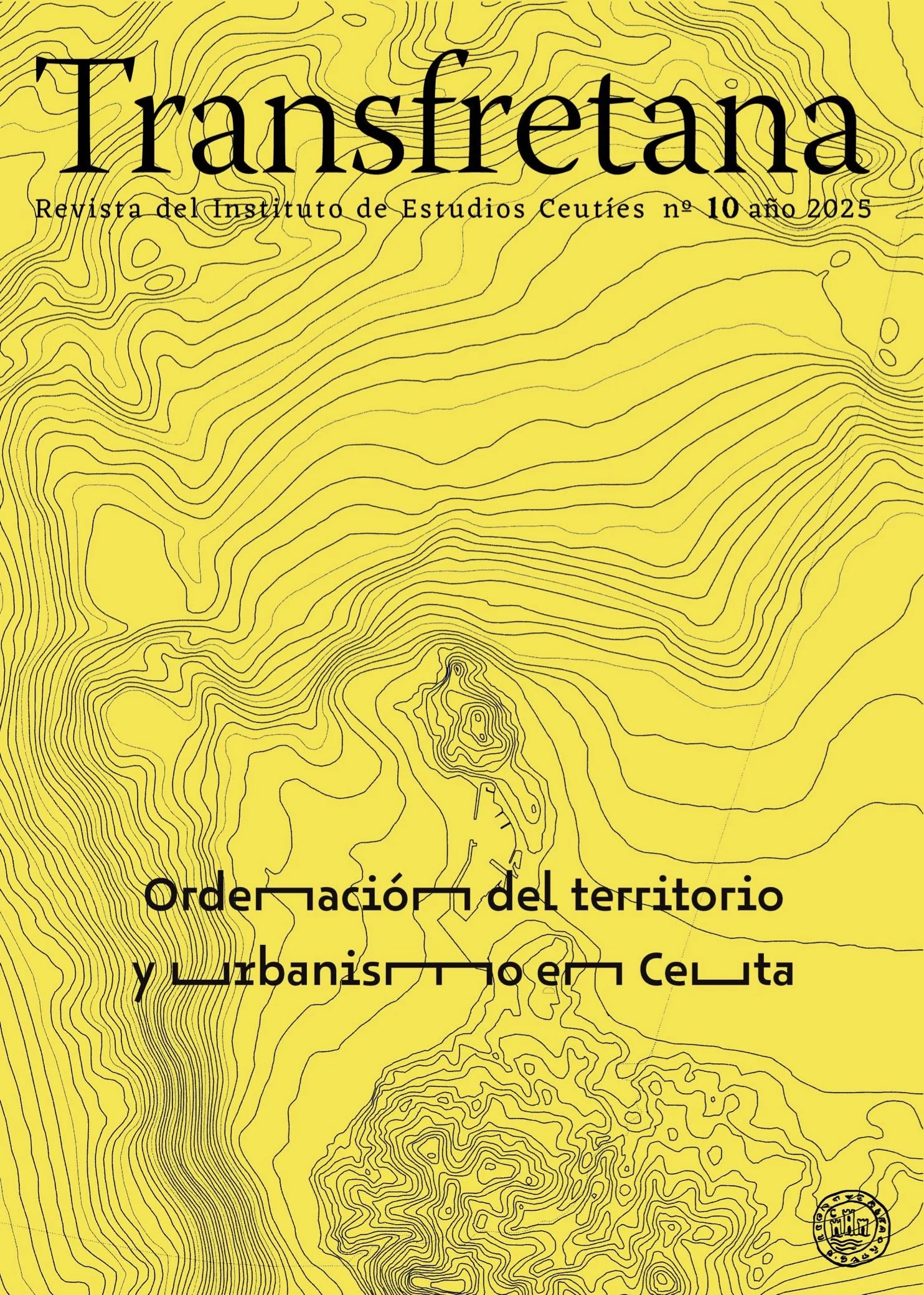
This 11th issue of Transfretana is directly related to the three previous ones, which addressed the necessary strategies for Ceuta in the face of the overlapping crises of 2021, the historical heritage treasured by the city, and the need for a specific land law for Ceuta and Melilla. Thus, Ceuta and Melilla: European Cities in the Southern Mediterranean comes to complement the topics previously debated; in fact, it will be necessary to look into past issues for solutions already proposed, which are now more essential than ever in these turbulent times for both cities.
Credits texts, photos and drawings: Carlos Pérez Marín